
























Winter Olympics Faces Gender Equality Hurdle Due to One Sport

The upcoming 2026 Winter Olympics are being praised for their strides toward gender equality, with a notable goal of 47% female participation. This historic event, taking place in northern Italy, will feature 50 women’s events, marking a significant shift in the landscape of winter sports.
Gender Equality at the Winter Olympics
Although this achievement is commendable, it still falls short of complete gender parity, unlike the Summer Olympics scheduled for 2024 in Paris. As former IOC President Thomas Bach noted, these Winter Games represent a vital milestone in the ongoing quest for gender equality in sports.
Nordic Combined: The Outlier
Despite this progress, one glaring exception remains: Nordic Combined. This sport, which combines ski jumping and cross-country skiing, has historically been male-only. Widely regarded as one of the most challenging sports, it includes skills that demand both agility and power.
- History: Nordic Combined has been a part of the Olympics since 1924.
- Origin: The first competition took place in Oslo in 1892.
- Dominant Nations: Norway, Germany, Finland, Austria, and Japan have historically dominated the sport.
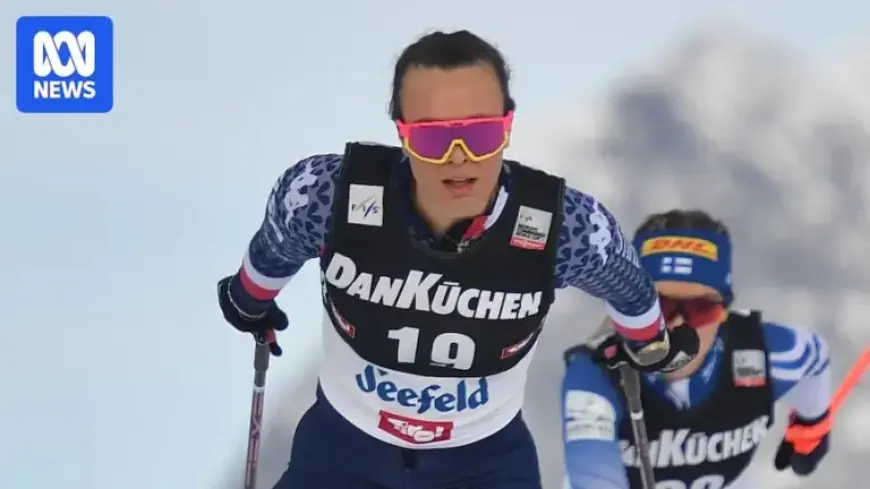
Annika Malacinski, an American skier and advocate for women’s inclusion in Nordic Combined, expressed her frustrations about the lack of female representation in the discipline. Malacinski trains rigorously, balancing the demands of two sports, yet finds herself unable to compete at these prestigious Games solely due to her gender.
Calls for Change
Mindsets surrounding Nordic Combined are stuck in an outdated framework. Historically, women were thought to be incapable of effectively ski jumping, a misconception that has persisted for decades. Malacinski argues that keeping women out of this competitive sport is not only unjust but also detrimental to the growth of the sport itself.
The International Ski Federation (FIS) is committed to achieving gender equality by the 2030 Winter Olympics. Despite this, the decision to exclude women from the Olympic Nordic Combined event for 2026 sparked outrage among athletes and advocates. Many viewed this as a significant setback for gender equity in the Olympic movement.
Future Implications
The future of Nordic Combined hangs in balance. The IOC’s executive board expressed concerns regarding low audience engagement and diversity in medal winners, further complicating the sport’s Olympic status. Less than a handful of nations have historically competed for medals, illustrating the challenges it faces.
Malacinski remains hopeful but recognizes the need for a more vocal advocacy for gender equality. As she prepares to support her brother at the 2026 Olympics, she is also determined to continue fighting for the inclusion of women in Nordic Combined, arguing passionately for the sport’s future both for female competitors and for the sport itself.