























2026 Winter Olympics medals: Eileen Gu wins silver as Team USA builds early tally

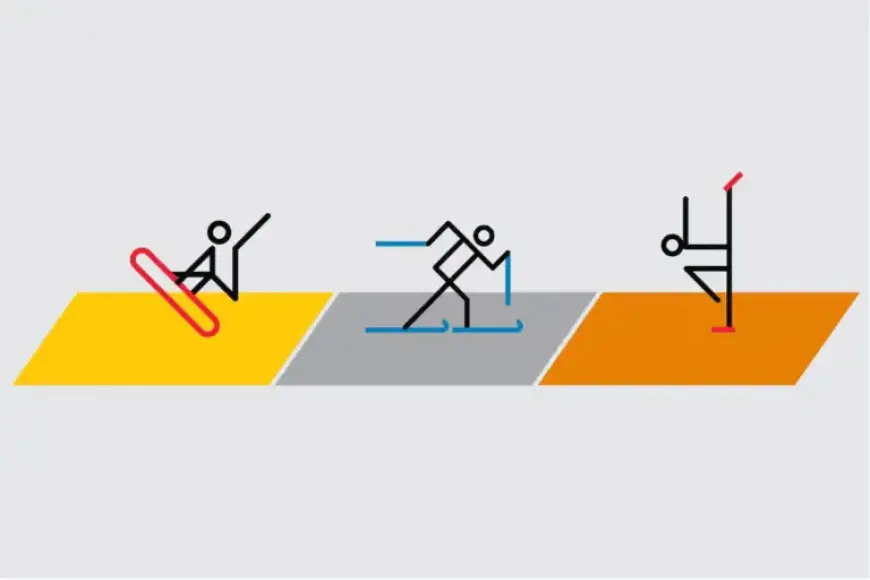
The 2026 Winter Games are starting to take shape in the medal table, with the first two dozen events completed and the United States at the Winter Olympics tracking near the early leaders. One of the week’s marquee results came in women’s freeski slopestyle, where Eileen Gu added another Olympic medal—this time a silver—after a tight finish.
With major events still ahead, the next stretch will test whether early standouts can sustain form and whether Team USA can turn depth across sports into a bigger medal haul.
2026 Winter Olympics medals snapshot
As of Feb. 10, 2026 at 11:10 a.m. ET, 24 of 116 medal events had been completed. The top of the table remained crowded, with several countries separating on golds and bronzes more than total medals.
| Country | Total | Gold | Silver | Bronze |
|---|---|---|---|---|
| Norway | 11 | 6 | 1 | 4 |
| Italy | 11 | 2 | 2 | 7 |
| Japan | 7 | 2 | 2 | 1 |
| United States | 5 | 2 | 2 | 1 |
| Switzerland | 5 | 3 | 1 | 1 |
| China | 2 | 0 | 1 | 1 |
Eileen Gu’s slopestyle silver tightens the race
Gu finished second in women’s freeski slopestyle on Feb. 9 in Livigno, Italy, taking silver behind Switzerland’s Mathilde Gremaud. The margin was razor-thin—0.38 points—with Gu posting an 86.58 to Gremaud’s 86.96 in a final that looked settled after the first run and then turned into a pressure test.
Gu described her first-run score as the best slopestyle run she has ever put down, an important note given the visible risk management in the event: athletes balanced pushing technical difficulty with staying upright on rails and landings. Gu is also slated to compete in big air and halfpipe later in the program, and her comments have emphasized staying healthy and making smart choices as the schedule intensifies.
Gu competes for China, but her profile in U.S. sports culture remains enormous—meaning her results are also shaping the broader conversation around medals Olympics 2026, star power, and what audiences are looking for in signature freeski events.
Hunter Hess enters with attention and expectations
Hunter Hess is set for the men’s freeski halfpipe qualification on Feb. 19, an event that can swing medal momentum quickly because it often features compact scoring gaps and big run-to-run volatility.
Hess, a Bend, Oregon native on the 2026 U.S. Olympic freeski team, arrives as a veteran of the discipline with years on the national program. His Olympic debut is also drawing extra attention away from the course after recent public comments that created a political side story—noise that can either fade fast once competition begins or linger if results go sideways.
For Team USA, the halfpipe is one of the cleaner paths to add medals if qualifiers go to plan. The U.S. has multiple athletes who can contend, and the event’s format tends to reward those who can land a full set of high-difficulty tricks under finals pressure.
United States at the Winter Olympics: what to watch next
The early U.S. medal count reflects a familiar pattern: strong showings scattered across multiple sports rather than one single dominant pipeline. With 92 medal events still ahead at that timestamp, the most important factor is opportunity density—how many realistic medal chances the U.S. can stack in a three- to four-day window.
A few near-term dynamics to track:
-
Depth sports (freestyle skiing, snowboarding, speed skating, and select team events) can generate clusters of medals quickly.
-
Weather and course conditions can reshuffle favorites in outdoor events, particularly alpine and Nordic disciplines.
-
Team events can swing totals, but each team medal counts once, so a “big night” may not move the table as much as several individual podiums.
For usa olympics fans, the key question is whether the U.S. can keep pace with early leaders on golds while also staying competitive on total medals as the schedule shifts into marquee weekends.
How fans are watching online, including Cox logins
Many viewers are leaning on online viewing options that bundle live streams, replays, and event-by-event feeds alongside traditional TV coverage. In practice, access often comes down to credentials: a cable login such as Cox can unlock authenticated streams in network apps, while some fans are using standalone subscriptions to follow every event without a cable package.
Two practical watch strategies are showing up this week:
-
Live-event tracking for niche heats and qualifications during daytime windows.
-
Replay-first viewing for medal finals and prime-time compilations, especially when multiple finals overlap.
With medal events running across several venues and time slots, flexible streaming has become the default rather than a bonus—particularly for fans who want full sessions in freeski and snowboard events where finals can hinge on a single run.
Sources consulted: Associated Press; Time; U.S. Ski & Snowboard; International Olympic Committee