




















IOC Prohibits Ukrainian Athlete’s Remembrance Helmet

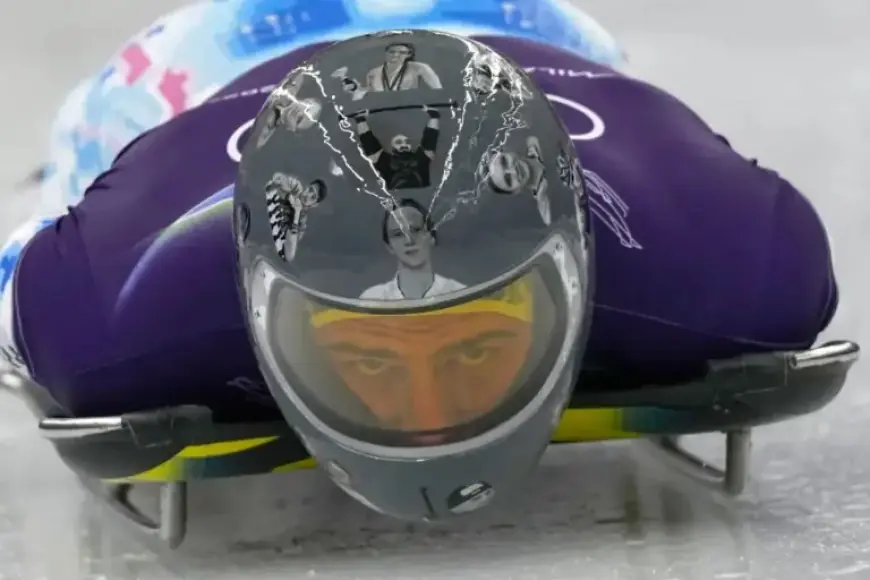
Ukrainian skeleton racer Vladyslav Heraskevych faces a ban on his emotionally charged helmet for the 2026 Winter Olympics. This helmet, adorned with the faces of Ukrainian athletes who lost their lives in the ongoing conflict with Russia, has stirred controversy. The International Olympic Committee (IOC) informed Ukraine’s Olympic delegation that such personalized gear would not be permitted in competition.
IOC’s Rationale Behind the Ban
In a communiqué shared with CBS News, the IOC emphasized the need for the Olympic Games to remain focused on athletic performance. They insisted on maintaining “international unity and harmony,” steering clear of any political or religious expressions during the events. Personalized items like Heraskevych’s helmet fall under their prohibition policy.
Emotional Response from Heraskevych
Heraskevych expressed deep disappointment over the IOC’s decision, describing it as “a decision that simply breaks my heart.” He accused the IOC of imposing “special rules just for Ukraine,” which he finds particularly disheartening.
Details of the Personalized Helmet
The helmet features portraits of late Ukrainian sports figures, including:
- Dmytro Sharpar, a figure skater and soldier
- Maksym Halinichev, a Youth Olympic boxing medalist
- Various children and sports supporters affected by the conflict
The IOC has proposed that Heraskevych wear a plain black armband or ribbon as an alternative. Mark Adams, an IOC representative, described this offer as a “good compromise,” although he clarified that it does not set a precedent for other athletes.
Support from Ukrainian Leadership
Ukrainian President Volodymyr Zelensky commended Heraskevych for his dedication. He stated that such tributes to fallen athletes should not be trivialized as mere politics within sports.
Potential Appeal and Future Actions
Despite the ruling, Heraskevych was observed during a training session wearing his customized helmet, indicating that Team Ukraine may pursue an appeal. He has previously voiced concerns regarding the presence of banned Russian flags at sporting events, adding to the complexity of his situation.
This ongoing saga highlights the intersection of sports, politics, and personal tributes, particularly in the context of historical conflicts.