

























Toronto Condos Now Under $400K: Explore the Trade-offs

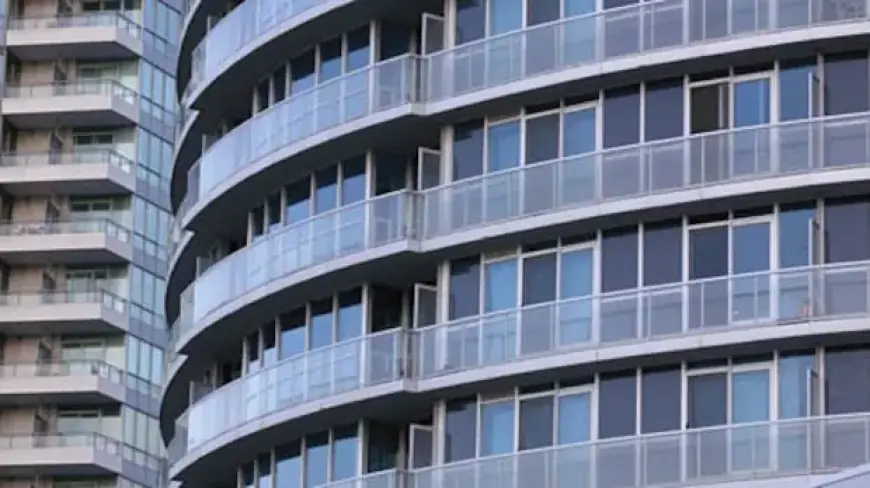
Recent trends in Toronto’s real estate market reveal that condo prices have dipped below $400,000 for the first time in years. This development has sparked renewed interest among renters considering homeownership. However, if the current inventory is quickly purchased, experts warn that Toronto could face a future housing shortage.
Toronto Condos Now Under $400K
The Toronto Regional Real Estate Board (TRREB) has observed a significant shift in the market, where bachelor and one-bedroom condos are now increasingly affordable. This change comes amidst a broader decline in housing prices.
Market Insights and Statistics
- The average condo selling price in the Greater Toronto Area (GTA) decreased by 5.1% year-over-year in the fourth quarter of 2025.
- In a specific neighborhood, average condo prices reached as low as $384,333.
- The overall average price for condos in Toronto fell to $690,607, down from $715,920 the previous year.
- During the same quarter, there were 3,880 condo sales, representing a 15% decrease compared to the year before.
Realtor James Milonas, managing director at The Agency Toronto West, noted an uptick in inquiries from renters looking to transition into homeownership. He emphasized that many individuals have been saving for years and are now optimistic about their chances in the market.
The Risks of an Accelerating Market
Though the price reductions provide opportunities for some buyers, TRREB’s chief information officer, Jason Mercer, expressed concern about potential long-term consequences. A decline in new construction could lead to a shortage of available homes in the future.
Mercer highlighted the decline in pre-construction sales as a contributing factor, stating, “Eventually that’s going to translate into fewer starts and fewer completions down the road.” Addressing this issue will be crucial to avoid exacerbating the housing shortage in the coming years.
Impact on Investors and Non-Investors
Anya Ettinger, a realtor with Bosley Real Estate, pointed out that many low-priced units currently on the market are leftover from investment properties. As rental markets weaken, there’s less incentive for investors to purchase units that won’t yield positive cash flow.
This situation has left non-investors, who entered the market within the past five years, in a precarious position. Ettinger remarked that these individuals now face difficult choices about whether to sell at a loss or hold onto their properties in hopes of better market conditions.
As the Toronto real estate landscape continues to evolve, potential buyers and current homeowners alike must stay informed about market trends and the implications of affordability on the future of housing in the city.