

























Why El Paso International Airport briefly shut down after an FAA airspace order

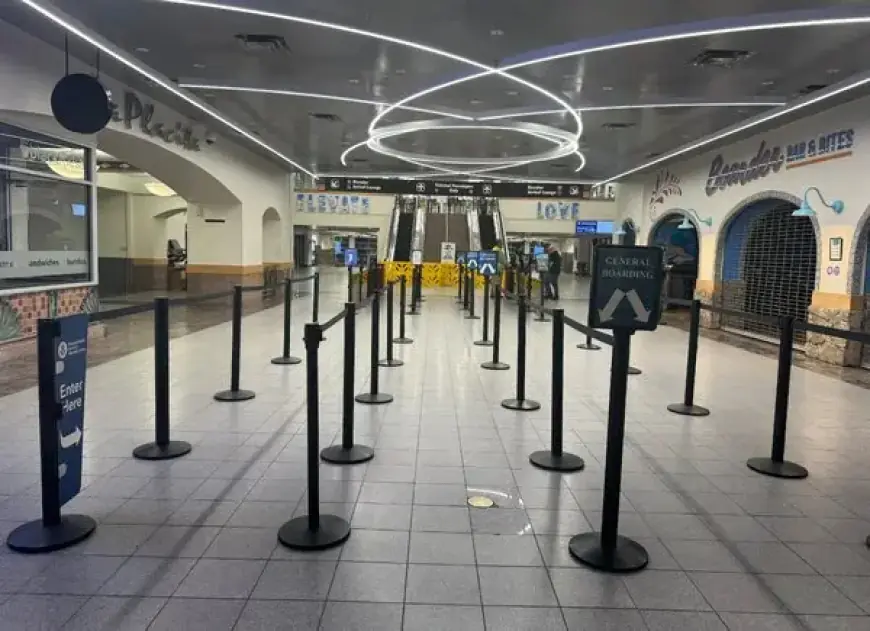
El Paso International Airport (ELP) halted departures and arrivals after the FAA issued an “airspace closed” order tied to “special security reasons,” abruptly stopping commercial, cargo, and general aviation traffic. Within hours, the FAA lifted the restriction and flights began resuming, but officials and travelers were left with no publicly confirmed explanation for what triggered the shutdown.
What happened: an airspace closure, not a runway issue
The interruption was driven by a temporary flight restriction that effectively closed the airspace around El Paso International Airport rather than a problem on the airfield itself. The FAA notice described the restriction as being for “special security reasons” and treated the zone as “national defense airspace,” language that is uncommon for a major U.S. commercial airport.
The restriction covered aircraft operations from the surface up to 17,999 feet in a roughly 10-nautical-mile radius around the airport area, meaning routine takeoffs and landings could not legally occur during the order.
Timeline: planned 10 days, ended the same day
| Key moment | What it meant for ELP |
|---|---|
| 1:30 a.m. ET, Feb. 11 | Restrictions scheduled to begin (converted from 11:30 p.m. local time) |
| Feb. 11, morning ET | Airlines paused operations; travelers were told to check flight status |
| Feb. 11, later in the day | FAA lifted the order and said flights could resume |
| 1:30 a.m. ET, Feb. 21 (planned) | Original end time for the 10-day window (never reached) |
Because the order was lifted the same day, the “10 days” became a planning headache rather than a long-term shutdown. Even so, a short closure can ripple through airline schedules, crew positioning, and inbound aircraft routing.
Why it was closed: “special security reasons,” but no confirmed specifics
At this point, the only publicly stated rationale is the FAA’s phrase “special security reasons.” No detailed cause has been confirmed publicly. The FAA also stated there was no threat to commercial aviation, which suggests the action may have been precautionary, related to a security operation, or tied to a developing situation that was resolved quickly.
What is clear is that the lack of specifics fueled confusion: local officials said they received little or no advance notice, and airport leadership indicated they did not have a detailed explanation to share while the restriction was in effect.
What “airspace closed” means for travelers
When the surrounding airspace is closed under a restriction like this, airlines cannot simply “wait on the runway.” Flights are typically delayed, diverted, or canceled because aircraft can’t depart into—or arrive through—the restricted zone. Even after the order is lifted, it takes time to:
-
re-sequence arrivals and departures,
-
reposition aircraft and crews,
-
rebook passengers and adjust connections.
If you were impacted, the practical next steps are to monitor your airline’s flight status, watch for rebooking options, and confirm whether your inbound aircraft is already in position for the rescheduled departure.
What to watch next
The main outstanding question is whether authorities provide a clearer explanation of what prompted the restriction and why it was drafted for a 10-day window before being lifted within hours. If additional details emerge, they are likely to come in the form of a formal statement clarifying the security basis for the order and what changed operationally to allow flights to resume.
Sources consulted: Federal Aviation Administration; Associated Press; The Washington Post; Sky News