

























Delhi Metro’s Magenta Line to Surpass Pink Line as Longest Corridor

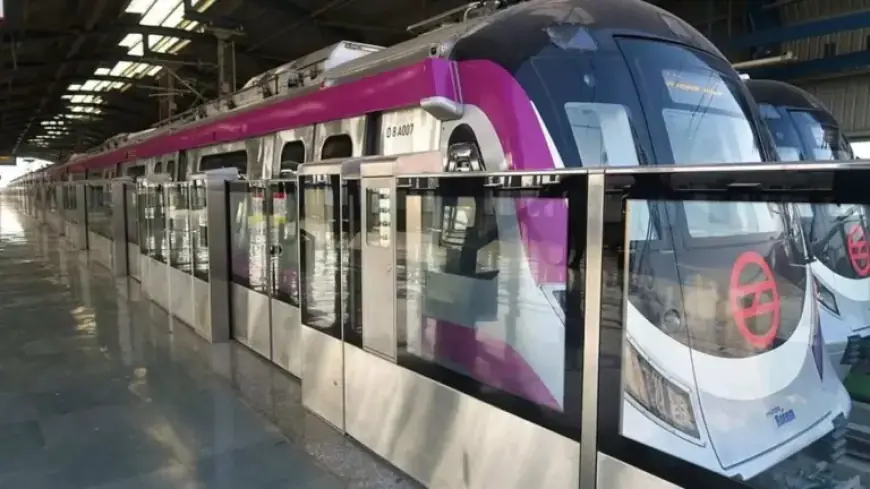
The Delhi Metro’s Magenta Line is set to become the longest corridor in the metro network, surpassing the Pink Line. This development comes with the approval of Phase V, extending the line to approximately 89 kilometers. The line will run from Noida Botanical Garden to Inderlok, featuring 65 stations.
Significant Updates on the Magenta Line
On February 11, 2026, the Delhi Metro Rail Corporation (DMRC) announced the completion and operational plans for the extended Magenta Line. This new extension will fully integrate an underground section from Ramakrishna Ashram Marg to Indraprastha via Central Vista. It includes nine new stations, enhancing connectivity across the Delhi-NCR region.
Phase V Details
- Total Length: 89 kilometers
- Number of Stations: 65
- Interchanges: Over 10
- Underground Stations: Majority at Central Vista
The Magenta Line will also implement fully driverless operations, utilizing advanced CBTC signaling technology. Its integration with existing metro lines will streamline commuter flow and reduce traffic congestion in the area.
The Impact of the Magenta Line
This extended corridor will connect various regions in Delhi, including:
- Noida
- South and Central Delhi
- West Delhi (Pitampura)
- North Delhi (Inderlok)
Furthermore, it will link to multiple existing lines, including the Violet, Pink, Yellow, and Blue lines. The new Magenta Line is expected to shorten travel times significantly. For example, the commute from Botanical Garden to Inderlok will take around 90 minutes.
Future Developments and Challenges
Despite the promising benefits, the project has faced challenges, including land acquisition delays. The Janakpuri to Ramakrishna Ashram Marg extension, originally planned for earlier, is now projected for completion in March 2026. The full Phase V of the Magenta Line is estimated to be completed by 2027-2028, with an investment of over Rs 25,000 crore.
The introduction of this extended corridor signifies a major advancement in Delhi’s metro infrastructure, contributing to the region’s economic development and urbanization.