






















Jon Stewart Critiques Kid Rock’s Halftime Show Amid MAGA’s Bad Bunny Response

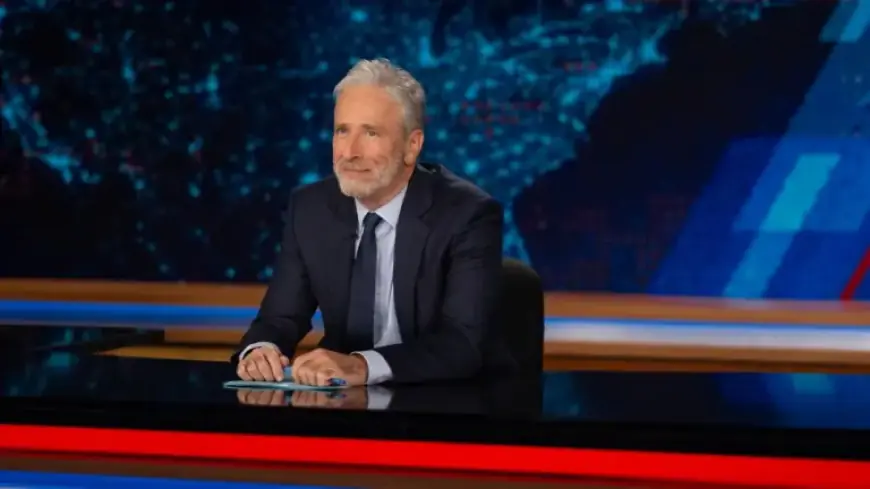
Jon Stewart recently took aim at Kid Rock’s halftime performance during the Turning Point USA event, while commenting on the MAGA reaction to Bad Bunny’s Super Bowl halftime show. This critique took place on The Daily Show on February 9.
Jon Stewart on Bad Bunny’s Halftime Show
Stewart expressed his admiration for Bad Bunny, describing the performance as “joyful and infectious.” This praise came in stark contrast to reactions from some conservative commentators, including Benny Johnson, who labeled the performance as “the single worst halftime show in NFL history.”
MAGA Critique of Bad Bunny
Stewart humorously addressed the MAGA perspective that influences how many Americans perceive entertainment. He stated that a significant portion of the audience filters events through a “MAGA-centric worldview.” This viewpoint often overlooks broader cultural inclusivity, as evidenced by the outrage over the lack of English in Bad Bunny’s set.
Turning Point USA’s Alternative Halftime Show
During his segment, Stewart transitioned to critique the alternative halftime show produced by Turning Point USA. Criticizing the quality and relevance of Kid Rock’s performance, he noted the absurdity of the MAGA celebration. He quipped about Kid Rock’s lip-synching skills, which he jokingly argued were a fitting representation of their vision of American entertainment.
- Event Date: February 9
- Key Figures:
- Jon Stewart – Host of The Daily Show
- Kid Rock – Performer during Turning Point USA’s halftime show
- Benny Johnson – Conservative commentator
Stewart’s Sarcastic Praise
In his segment, Stewart mockingly congratulated Turning Point USA for providing an “All-American Halftime Show.” He humorously contrasted this with a clip of Kid Rock, who performed his popular song “Bawitdaba.”
Stewart concluded with the line, “Merriam and Webster couldn’t have put it better themselves,” highlighting the juxtaposition between what some consider a patriotic celebration and the entertainment value presented by the performance.
Through his comedic lens, Stewart effectively reflected on the current cultural landscape, showcasing the tensions between diverse artistic expressions and traditional American values.