

























Exploring Iran’s Future: Impact Scenarios on Global Oil Markets

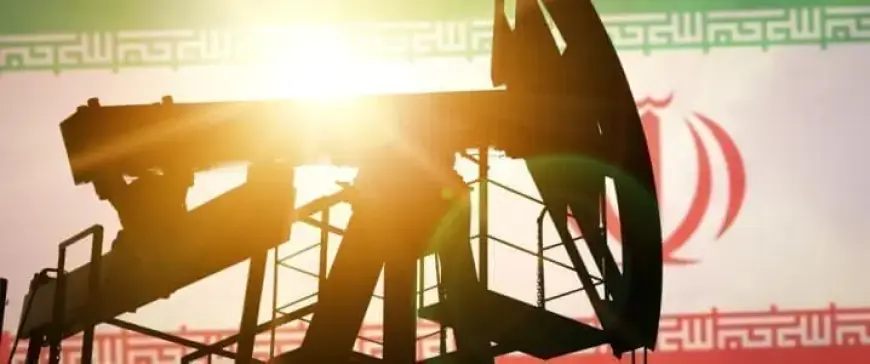
The geopolitical landscape surrounding Iran has significant implications for global oil markets. With the potential for various scenarios unfolding, tracking these developments is essential for understanding future price fluctuations and market stability.
Exploring Iran’s Future: Impact Scenarios on Global Oil Markets
As diplomatic tensions and military actions evolve, five principal scenarios have emerged, each carrying distinct consequences for both geopolitics and oil markets.
Scenario 1: Renewed US Nuclear Deal
This scenario envisions successful diplomatic engagement resulting in Iran’s compliance with a new nuclear agreement. Economic sanctions are gradually lifted, enabling Iran to rejoin global trade. This shift leads to:
- A decrease in oil prices by approximately $5 per barrel.
- Gradual recovery of Iranian crude production from 3.2 million barrels per day (bpd) to 3.6 million bpd by 2027.
- Stabilized relations between Iran and Gulf Cooperation Council (GCC) countries.
Overall, this scenario promotes a peaceful environment, reducing tensions in the region.
Scenario 2: Limited US Strikes
In a scenario akin to previous conflicts, the U.S. conducts targeted strikes on Iranian nuclear sites without initiating an all-out war. Key outcomes include:
- Temporary increases in oil prices of $5 to $10 per barrel.
- Minimal disruption to oil exports despite heightened tensions.
- Potential for further military escalation, keeping geopolitical risks alive.
Scenario 3: Major Escalation Following Leadership Change
This scenario involves U.S. military action resulting in the death of Ayatollah Khamenei. The aftermath witnesses:
- Increased internal conflict and power struggles in Iran.
- Oil prices potentially spiking by over $10 per barrel due to supply outages.
- A shift toward a transactional foreign policy focusing on economic recovery.
Scenario 4: Confrontational Successor Emergence
Should a hardline successor take charge after Khamenei’s death, we could see:
- Significant increases in oil prices, potentially around $15 per barrel, due to constrained exports.
- Heightened regional conflict, leading to sustained military tensions and unpredictable geopolitical risks.
Scenario 5: Internal Collapse and Civil Unrest
The most severe scenario depicts a collapse of authority in Iran, resulting in:
- Potential increases in oil prices by more than $15 per barrel.
- Unpredictable supply disruptions and attacks on global energy infrastructure.
- Decentralized governance leading to regional instability.
Geopolitical Impacts on Oil Markets
Across these scenarios, Iran’s influence in the oil sector remains paramount. The strategic uncertainty can significantly affect oil prices, even when not directly tied to immediate supply loss.
The analysis further suggests:
- Limited downside risks from renewed diplomatic relations.
- Potential for rapid price escalations in case of military conflicts or regional instability.
- Long-term geopolitical risk premiums embedded in oil prices.
In conclusion, Iran’s political developments are crucial for global oil markets, influencing both pricing and supply dynamics. Stakeholders must remain vigilant as these scenarios evolve at an unpredictable pace.