























House Immigration Oversight Hearing: Top 5 Key Takeaways

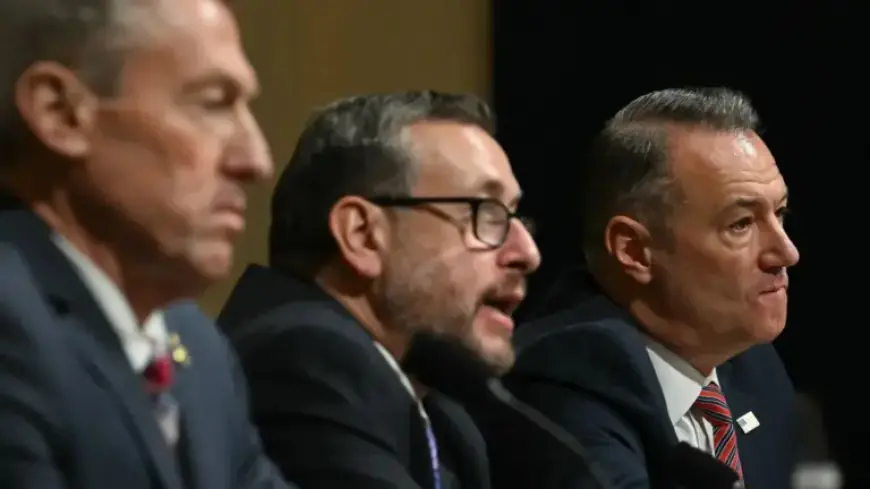
The recent House Immigration Oversight Hearing brought significant attention to the ongoing controversies surrounding U.S. immigration enforcement. Leaders from key immigration agencies testified on February 10, 2026, addressing critical issues spurred by recent tragic incidents involving federal immigration officers. This hearing was a platform for both criticism and calls for reform as Congress approaches a funding deadline for the Department of Homeland Security.
Key Takeaways from the House Immigration Oversight Hearing
- Tragic Deaths of U.S. Citizens: The hearing emphasized the deaths of two Americans, Renee Macklin Good and Alex Pretti, which sparked outrage and calls for accountability among lawmakers from both parties.
- Training and Oversight Issues: Ice acting Director Todd Lyons faced scrutiny about officer training and handling of U.S. citizens during enforcement actions.
- Bipartisan Concerns: Republicans echoed some of the criticisms typically raised by Democrats, particularly regarding the use of roving patrols and body camera requirements.
- Partisan Rhetoric: Discussions largely followed partisan lines, highlighting the divide on immigration policy between Republicans and Democrats.
- Potential Funding Impact: As funding for the Department of Homeland Security is at stake, the potential effects of a government shutdown on immigration operations were considered.
1. Tragic Deaths of U.S. Citizens
The hearing’s opening remarks highlighted the shocking killings of Renee Macklin Good and Alex Pretti by Department of Homeland Security (DHS) officers. Representative Andrew Garbarino, a Republican from New York, called these incidents “unacceptable” and demanded a thorough investigation. He emphasized the need for public trust in law enforcement and condemned any premature conclusions about these events.
2. Training and Oversight Issues
Questions arose regarding the training of ICE officers. Lyons reported that officers undergo three months of training at the Federal Law Enforcement Training Academy, but some lawmakers expressed concerns about the adequacy of this training, especially in dealing with U.S. citizens. Incidents of perceived misconduct were also discussed, further underscoring the need for better internal oversight.
3. Bipartisan Concerns
Interestingly, several Republicans shared concerns with Democrats regarding immigration tactics. Notably, the use of roving patrols in urban areas drew bipartisan scrutiny. Lawmakers voiced a robust demand for body cameras, with Lyons assuring that transparency measures would be prioritized. Currently, only a fraction of officers are equipped with body cameras, highlighting a significant gap in accountability.
4. Partisan Rhetoric
The partisan divide was evident during the hearing. Republicans praised the efforts of ICE while Democrats pushed for the dismantling of the agency. Proposals like requiring officers to display their identifying information were met with resistance from ICE leadership, reflecting a continued clash over immigration enforcement policies.
5. Potential Funding Impact
As the hearing unfolded, concerns about the potential impact of a government shutdown on immigration operations were raised. While U.S. Citizenship and Immigration Services (USCIS) could continue functioning due to fee-based funding, ICE and Customs and Border Protection (CBP) might face challenges. Officials warned that a lapse in funding could jeopardize public safety measures unrelated to immigration enforcement.
The hearing highlighted the complexities and divides in U.S. immigration policy, particularly following tragic events. As discussions continue, the need for clear policies and oversight has never been more urgent.