





















Annie Guthrie in focus as investigators canvass her neighborhood in Nancy Guthrie search

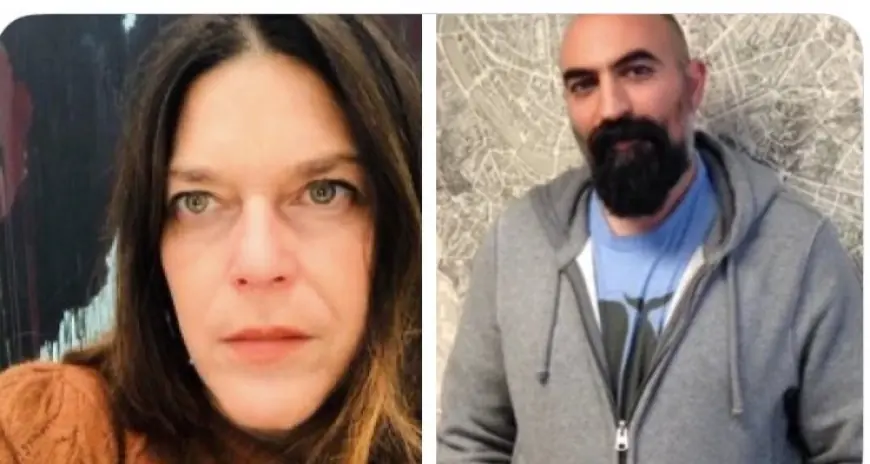
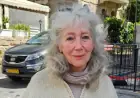
Annie Guthrie—one of Nancy Guthrie’s adult children and the sister of television anchor Savannah Guthrie—has become a central point of public attention as investigators intensify work around family-linked locations and widen their push to identify a masked figure captured on porch surveillance. The heightened focus does not reflect a named suspect: authorities have repeatedly stressed there is still no confirmed suspect or officially designated person of interest, even as the case remains treated as a likely abduction.
The shift toward Annie Guthrie’s area has been driven by two parallel tracks: continued on-the-ground activity near residences connected to the family, and a rapidly expanding public recognition campaign tied to newly released images of a masked individual at the home where Nancy Guthrie disappeared.
Why Annie Guthrie is appearing in updates now
In high-profile missing-person cases, investigators often widen attention beyond the primary scene once initial forensic processing is completed and early leads are triaged. That can include revisiting nearby properties tied to the victim’s routine, family movements, and any locations that may help confirm the last known timeline.
Recent activity has included canvassing and investigative presence in Annie Guthrie’s neighborhood in Arizona, with deputies and investigators seen speaking with residents and working the surrounding area. This kind of canvass typically aims to capture what can’t be recovered later: doorbell-camera video before it is overwritten, eyewitness recollections while memories are fresh, and time-stamped observations about unusual vehicles or people moving on foot overnight.
Confirmed investigative steps tied to Annie Guthrie’s area
Investigators have conducted searches connected to Annie Guthrie’s home and returned again as the case developed, reflecting an effort to corroborate timelines and follow evolving leads. Authorities have not publicly detailed what—if anything—was seized, and they have not said the searches point to a specific suspect. The public-facing emphasis remains on identification and verification rather than accusation.
Key developments involving Annie Guthrie’s area (ET)
| Date (ET) | Development | What it signals |
|---|---|---|
| Mon, Feb. 9 | Investigators searched Annie Guthrie’s home | Follow-up and verification work beyond the primary scene |
| Tue, Feb. 10 | Investigators canvassed Annie Guthrie’s neighborhood | Wider video and witness collection to sharpen the movement timeline |
| Tue, Feb. 10 | A second search was reported at Annie Guthrie’s home | Ongoing lead-checking as new information arrives |
| Tue, Feb. 10 | Public distribution of masked-figure images intensified | A broadened effort to identify a person linked to the disappearance window |
How the FBI and local detectives split tasks on the ground
While the local agency with jurisdiction typically remains the operational lead, federal involvement can expand rapidly when there is evidence of an abduction, an armed figure, or a need for technical support. In practice, this often looks like:
-
local detectives conducting interviews, neighborhood canvasses, and scene control
-
federal teams supporting digital recovery work, image distribution, and multi-area tip follow-up
That cooperation is especially visible when the investigation turns to identifying a person from images: analysts compare tips and known patterns, while field teams knock doors, pull additional camera angles, and verify time windows.
The masked porch figure and why it changed the case’s visibility
The release of surveillance images showing a masked individual on or near the porch has become the centerpiece of the public appeal. Investigators have described the person as appearing armed and engaging the front-camera area in a way that obscured or disabled the view.
Even with those images, authorities have emphasized restraint: the figure has not been publicly named by officials, and the images alone do not establish identity or motive. The purpose of releasing them is practical—helping someone recognize clothing, gear, posture, or movement and provide a tip that can be checked against other evidence.
What investigators want from the public right now
As attention spreads, officials are urging people to prioritize the kinds of tips that can be validated quickly:
-
unedited exterior video from late-night and early-morning hours around the disappearance window
-
sightings with an exact time and location
-
recognition details that include the “why” (workplace contact, neighborhood familiarity, prior encounters)
-
any information about a vehicle that slowed, stopped, or made unusual turns near residences tied to the case
Investigators also continue to warn that viral attention can produce false leads and altered images. Tips that include original files and specific timestamps are typically the most useful.
What typically happens next
With canvassing underway and images circulating widely, cases like this often move into a narrowing phase: investigators test a smaller number of leads more deeply, build a minute-by-minute movement map using camera networks, and refine public requests if a pattern emerges (such as a route or a vehicle description). Until officials announce a suspect or a verified contact channel, the case remains centered on identification and evidence-based verification.
Sources consulted: Federal Bureau of Investigation; Pima County Sheriff’s Department; People; E! News