























Olympic Officials Prohibit Ukrainian Helmet Tribute to War Casualties

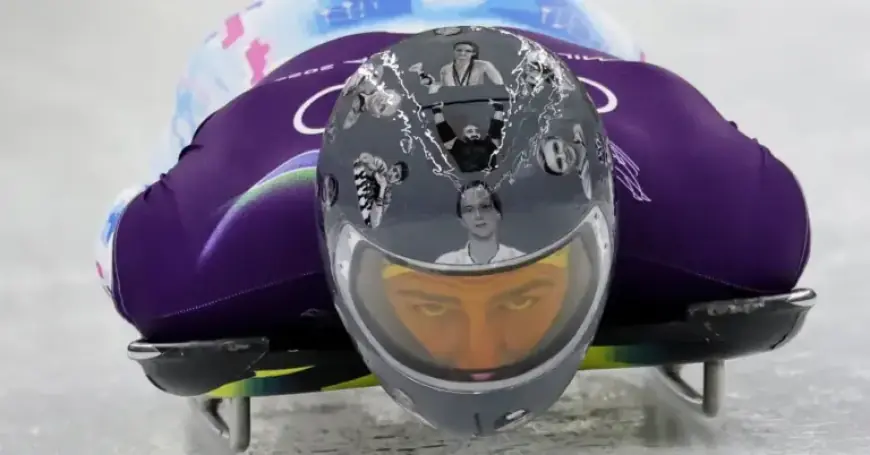
Ukrainian skeleton racer Vladyslav Heraskevych has faced restrictions from Olympic officials regarding his tribute to war casualties. The International Olympic Committee (IOC) declared that he cannot wear a helmet featuring images of Ukrainian teammates killed in the ongoing conflict with Russia. This ruling has sparked controversy surrounding the intersection of sports and political expression.
Tribute to Fallen Heroes
Heraskevych has stated that the helmet serves as a “remembrance tribute” to those who lost their lives in the war, which has been ongoing since Russia’s invasion of Ukraine nearly four years ago. Despite the ban, he plans to wear the helmet during training and competitions at the Milan-Cortina Games.
IOC’s Stance on Political Speech
Mark Adams, a spokesman for the IOC, emphasized the organization’s policies prohibiting political demonstrations at Olympic events. He explained that while athletes can express themselves in other settings, the competition arena must remain devoid of political messages to preserve its integrity. The Olympic Charter clearly states, “No kind of demonstration or political, religious or racial propaganda is permitted in any Olympic sites.”
- Heraskevych’s helmet features images of 21 Ukrainian athletes who died as civilians and combatants.
- He was the flag-bearer for Ukraine at the opening ceremonies.
- Past athletic protests include Tommie Smith and John Carlos at the 1968 Games.
Support from Leadership and Community
Ukrainian President Volodymyr Zelensky praised Heraskevych for his efforts to highlight the struggle faced by his country. In a social media post, he recognized the importance of sports in promoting peace and raising awareness of humanitarian crises.
Despite the risks of disqualification, Heraskevych remains resolute in his intent to honor his fallen friends. He continues to receive overwhelming support from both his fellow Ukrainians and audiences worldwide.
Looking Forward
In official training runs, Heraskevych ranked sixth out of 25 competitors. His determination to compete while simultaneously advocating for justice remains a powerful testament to the resilience of athletes facing political adversity.