

















Is the Epstein “ring” being protected? Massie and Khanna press DOJ over redactions

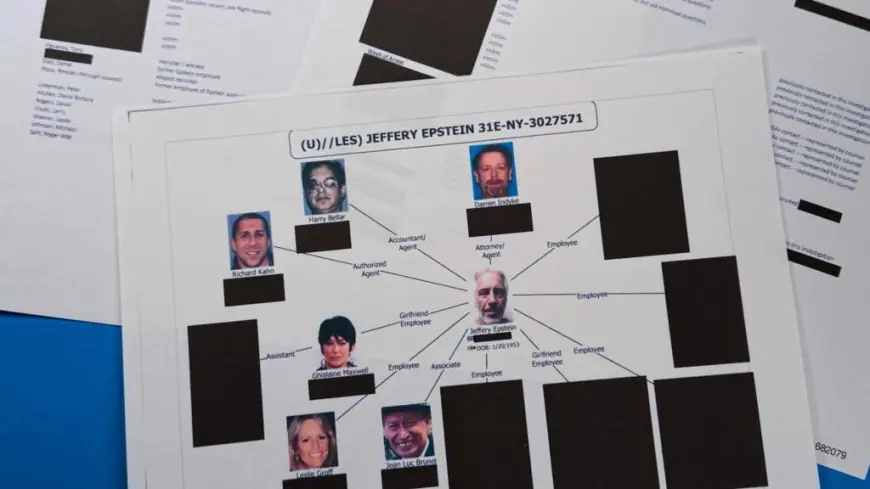
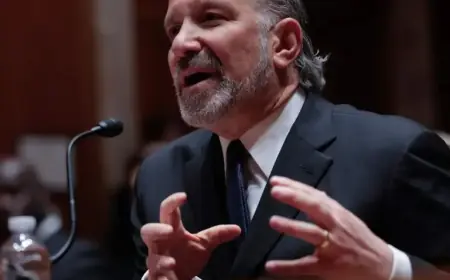
Two lawmakers from opposite parties—Rep. Thomas Massie of Kentucky and Rep. Ro Khanna of California—are escalating a public fight with the Justice Department over how much of the Jeffrey Epstein record remains hidden. After being allowed to view unredacted Epstein-related material in Washington on Monday, Feb. 9, 2026, the pair said they identified multiple men whose names and images were obscured in versions made public, fueling a new round of allegations that powerful figures tied to an alleged trafficking ring are still being shielded.
The lawmakers are using the moment to pressure President Donald Trump’s administration to publish more material without blackouts they argue are not legally justified.
What Massie and Khanna say they saw
After their visit to the Justice Department on Feb. 9, Massie and Khanna told reporters they found “at least six” men who appeared in the files but were masked in previously released documents. They said the redactions went beyond protecting victims or sensitive investigative techniques and instead removed identities they believe should have been disclosed under the transparency framework Congress passed.
Neither lawmaker publicly produced the underlying documents in full, and they did not release complete identifying information for the individuals they referenced. They said the point is structural: if the records are being released as part of a transparency push, the government should not selectively hide names in a way that prevents accountability.
Why the word “ring” is driving the politics
The fight is unfolding in an environment where the Epstein case has long been framed as more than one criminal defendant—it is often discussed as a network of enablers, facilitators, and high-status contacts. That “ring” framing matters politically because it turns a records dispute into an argument about unequal justice: whether ordinary suspects would be exposed while prominent ones remain concealed.
Massie and Khanna have leaned into this populist angle. They are portraying their pressure campaign as a rare point of agreement across ideological lines—skeptical of institutional secrecy, distrustful of elite impunity, and willing to confront their own party leadership when it blocks disclosure.
The legal limits of “unredacted” disclosures
Even when a law pushes agencies toward transparency, redactions are still common in sensitive files. Records can be altered to protect:
-
victims and witnesses
-
ongoing investigative steps
-
personal data unrelated to wrongdoing
-
grand jury secrecy and sealed court material
The dispute here is not whether redactions exist, but why. Massie and Khanna argue the government is using a broad brush where a narrower approach is required. The Justice Department has not publicly provided a detailed, line-by-line rationale for the specific blackouts the lawmakers criticized, and it has not confirmed the lawmakers’ claims about the number or status of redacted individuals.
Trump, the DOJ, and what Congress can actually force
The Constitution gives the executive branch wide discretion over law enforcement files, and Congress cannot simply order prosecutors to publish everything instantly. Still, lawmakers can raise the temperature through hearings, subpoenas, budget leverage, and public messaging that makes continued secrecy costly.
Massie and Khanna have attempted to turn that leverage into a sustained campaign: pushing for timelines, urging briefings from senior Justice Department leadership, and positioning themselves as bipartisan enforcers of a transparency mandate.
For the White House, the politics are complicated. Any move to release more names could trigger defamation fights and privacy challenges. A move to keep redactions could feed a narrative that the administration is protecting politically connected figures. So far, no definitive announcement has settled the core question of what will be released next, and when.
What to watch next
The near-term developments that would change this story are straightforward and measurable:
-
A formal Justice Department explanation of the specific redaction categories being applied and why.
-
A new tranche of records with fewer blackouts, or with a clearer standard for what is hidden and what is shown.
-
Congressional action that compels testimony from officials responsible for the review and release process.
Until one of those happens, the controversy is likely to persist: Massie and Khanna will keep arguing that the public is being denied a full picture of the alleged Epstein trafficking ring, while the administration will face pressure to prove that any remaining secrecy is grounded in law rather than influence.
Sources consulted: Reuters; The Washington Post; Politico; Time