
























Les Wexner back in headlines after unredacted Epstein-era FBI documents resurface

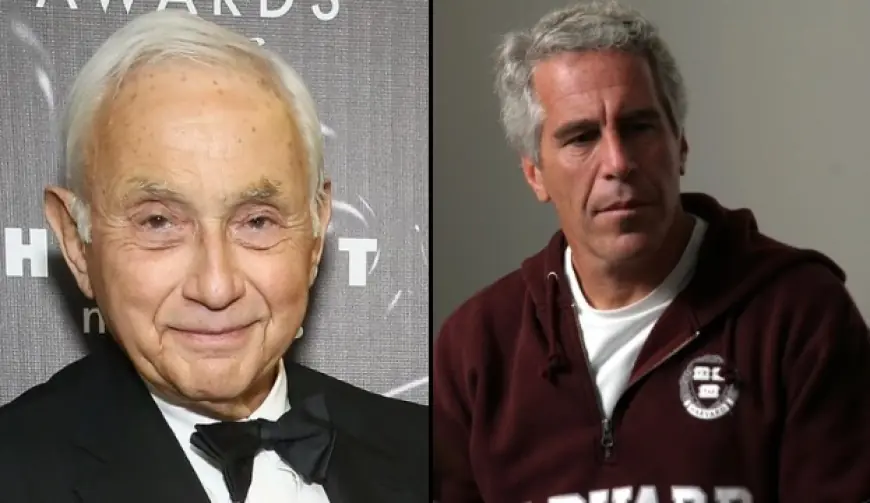
Leslie “Les” Wexner, the Ohio retail billionaire who built the empire behind The Limited and later Victoria’s Secret, is back in the national spotlight after newly released federal documents from the Jeffrey Epstein investigation surfaced with his name unredacted. The material has fueled renewed political pressure and public scrutiny, even as the documents themselves note “limited evidence” tied to Wexner and no criminal charges have been announced against him in connection with Epstein.
The disclosures arrive as lawmakers push for more transparency around millions of pages of Epstein-related records and as the Justice Department continues to face questions over what remains redacted and why.
What the newly released documents say
The documents include an Epstein-era FBI list created days after Epstein died in custody in August 2019. In that list, Wexner appears among individuals labeled as co-conspirators in the investigation’s paperwork. Additional internal correspondence from the same period also described Wexner as a “secondary” co-conspirator, while emphasizing there was limited evidence connected to him.
The material shows Wexner was subpoenaed during the investigation. A spokesperson for Wexner has said he cooperated and provided background information about Epstein, and that he was not contacted again after that cooperation.
Why the unredaction is driving a new surge of attention
The name appearing in unredacted form matters less for its novelty—Wexner’s long association with Epstein has been publicly documented for years—than for what it signals about the government’s file-handling. Lawmakers have argued that redactions in the Epstein materials are being applied too broadly, and the sudden visibility of previously obscured names has become a proxy fight over accountability and institutional transparency.
The same dynamic is amplifying calls for public testimony and deeper document releases: once a few names are revealed, pressure typically builds to reveal the rest, especially where official paperwork uses charged labels.
Wexner’s historical link to Epstein, in brief
Wexner’s relationship with Epstein began in the late 1980s and extended for years into the 2000s, spanning a period when Epstein gained extraordinary access to Wexner’s finances and social circle. Wexner has said he cut ties after Epstein’s 2008 Florida case, though public reporting has also described continued financial and institutional overlap around that era.
Wexner’s prominence has always made the relationship unusually consequential: his backing and proximity helped confer credibility on Epstein in elite business and philanthropic worlds, and his name remains tied to major institutions in Ohio and beyond.
What happens next: deposition pressure and document scrutiny
The latest disclosures are likely to intensify focus on three near-term questions:
-
Whether Wexner appears for a scheduled congressional deposition on Feb. 18, 2026 (ET) and how much detail lawmakers demand in public afterward
-
Whether additional Epstein-era investigative lists or emails are released with fewer redactions in the coming weeks
-
Whether the Justice Department clarifies the meaning and evidentiary basis of labels like “co-conspirator,” especially in cases where the same documents state the evidence is limited
It is also unclear whether any further investigative steps will follow from the resurfaced paperwork itself. Being named in files or labeled in internal summaries does not establish criminal guilt, and no court filing has been announced charging Wexner with crimes connected to Epstein.
Why the story keeps returning
Wexner remains a uniquely durable figure in the Epstein saga because he sits at the intersection of wealth, institutional branding, and philanthropy. His name is attached to high-visibility facilities and long-running civic initiatives, meaning any renewed attention can ripple into boards, donors, and reputational risk assessments even without new legal action.
For many observers, the story has shifted from “what happened” to “what the records show and why.” As more documents become public, the central tension is likely to persist: transparency demands colliding with the reality that investigative files can include broad labels, incomplete leads, or untested assertions that never become charges.
Sources consulted: U.S. Department of Justice; WOSU Public Media; Ideastream Public Media; The Guardian