

























Erythritol Sweetener Linked to Increased Stroke Risk

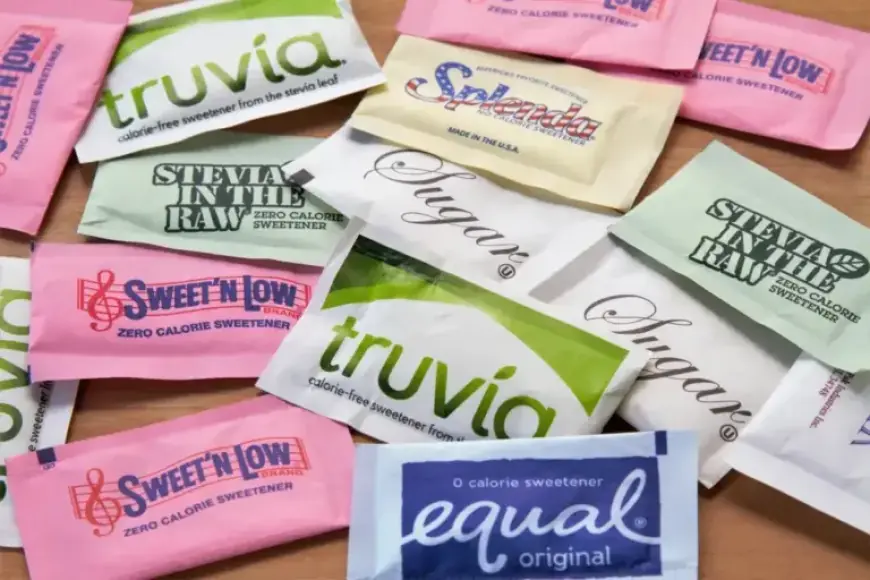
Research from the University of Colorado raises concerns about erythritol, a popular low-calorie sweetener. This substance is commonly used in a variety of diet foods and drinks. The study suggests erythritol may be associated with an increased risk of ischemic stroke due to its negative effects on human brain blood vessel cells.
Erythritol and Stroke Risk
The study found that erythritol impairs essential functions in brain blood vessel cells. This impairment could lead to significant health risks, particularly an elevated likelihood of stroke. The findings support earlier observational studies connecting high levels of erythritol in the bloodstream with increased risks of cardiovascular events.
Understanding Erythritol
Erythritol, originally discovered in 1848 by Scottish chemist John Stenhouse, was first marketed as a sweetener nearly 150 years later in Japan. It appears as a white powder, resembling sugar, and is approximately 60% to 70% as sweet. It boasts no calories and does not affect blood sugar levels or contribute to tooth decay.
Current Recommendations
- The World Health Organization has cautioned against the use of non-sugar sweeteners for weight management in 2023.
- While the U.S. Food and Drug Administration recognizes certain uses of erythritol as Generally Recognized as Safe (GRAS), new research may guide future evaluations regarding its risks.
Products Containing Erythritol
Erythritol is hidden in many products that are marketed as sugar-free, including:
- Ice cream, candy, and baked goods labeled sugar-free and keto-friendly
- Protein bars and meal replacement shakes
- Energy drinks and diet sodas
- Sugar-free gum and mints
- Low-calorie yogurt and pudding
- Diabetic-friendly snacks and desserts
Impact on Brain Function
The study highlights how erythritol may affect the blood-brain barrier. This barrier serves as a protective shield for the brain, allowing nutrients to enter while blocking harmful substances. Erythritol seems to disrupt this defense in various critical manners:
- Causing a toxic environment through increased oxidative stress, overwhelming natural cell defenses.
- Disrupting blood flow regulation, leading to constricted blood vessels even during moments of increased need.
- Impairing the body’s ability to dissolve blood clots, heightening the risk of strokes.
Future Directions
The findings from the University of Colorado call for more comprehensive studies. Researchers suggest that animal studies and clinical trials are necessary to confirm erythritol’s effects on brain blood vessels in living organisms. Monitoring erythritol consumption may be prudent for consumers, who should also seek advice from healthcare professionals regarding dietary choices.
As the conversation around low-calorie sweeteners continues, both regulatory bodies and public health officials may need to reconsider existing guidelines based on the emerging evidence regarding erythritol and its potential health implications.