
























US Lawmaker Proposes Bill to End H-1B Program by 2027

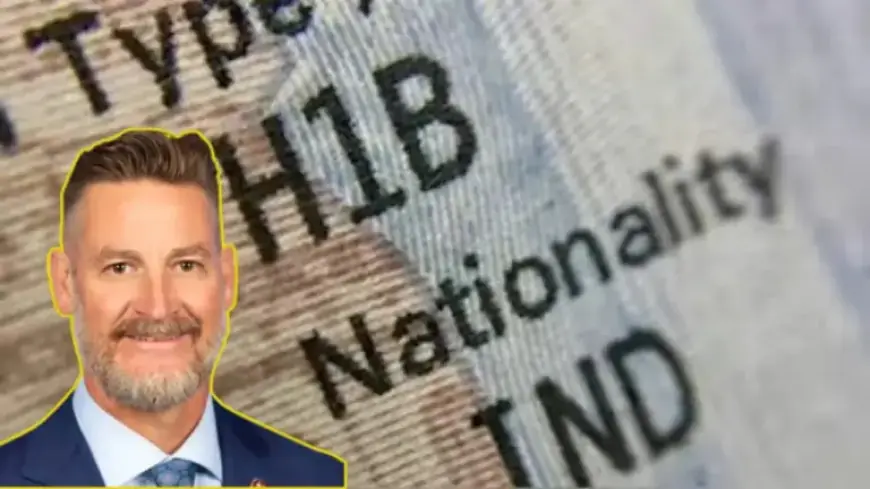
U.S. Representative Greg Steube has introduced a significant piece of legislation targeting the H-1B visa program. The proposed bill, named the Ending Exploitative Imported Labour Exemptions (EXILE) Act, aims to amend the Immigration and Nationality Act to eliminate the visa program by 2027.
Background and Objectives of the EXILE Act
Steube, a member of the Republican Party representing Florida’s 17th congressional district since 2019, stated that the H-1B visa program enables U.S. employers to hire foreign professionals in specialized fields. However, he argues that this practice undermines American workers.
The EXILE Act addresses concerns that prioritizing foreign labor is detrimental to American citizens. Steube’s office released a statement emphasizing that the current system leads to the exploitation of American labor and suppresses wages.
Key Provisions of the EXILE Act
- Aims to eliminate the H-1B visa program entirely by 2027.
- Includes a temporary exemption for 10,000 medical professionals over a ten-year period.
- Seeks to amend Section 214(g)(1)(A) of the Immigration and Nationality Act.
Arguments Against the H-1B Program
Steube’s proposal highlights several alleged abuses of the H-1B program. He claims that:
- Over 10,000 U.S. physicians have been denied residency opportunities due to the influx of foreign-born doctors.
- Microsoft displaced more than 16,000 employees following the issuance of over 9,000 H-1B visas in 2025.
- Disney replaced 250 laid-off employees with foreign workers through the H-1B program in 2015.
- In 2014, Southern California Edison let go of 540 employees, bringing in replacements from Indian outsourcing firms using H-1B visas.
Critics of the Proposal
Despite the implications of the EXILE Act, many reports indicate the H-1B program’s vital role in the U.S. economy. Tech companies, in particular, leverage H-1B workers for critical projects, including AI development. Additionally, H-1B professionals are essential in addressing shortages in specialized education and healthcare services.
As discussions continue, the fate of the H-1B program hangs in the balance, with potential implications for industries reliant on skilled foreign labor.