
























Regulatory Challenges Confront Crypto Kiosk Industry

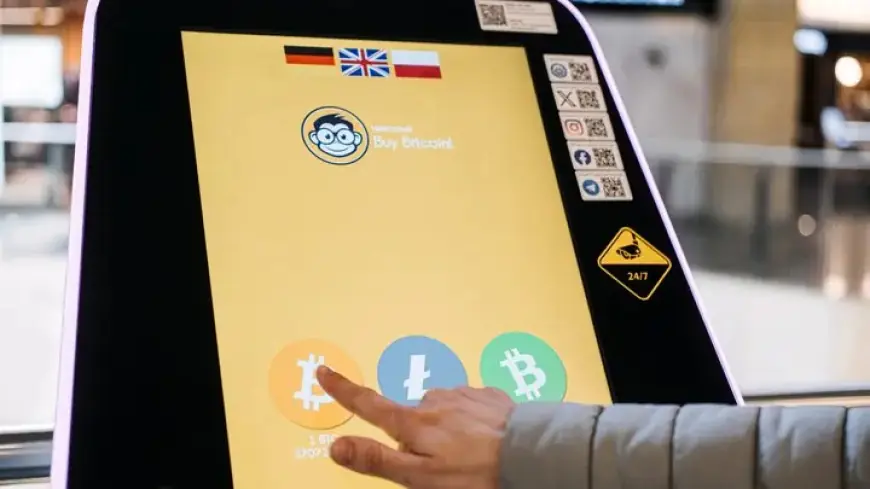
The rise of cryptocurrency kiosks, commonly known as crypto ATMs, has introduced a variety of regulatory challenges for the industry. As these devices become more prevalent, so do the scams associated with them. These scams often target vulnerable individuals, particularly the elderly, causing significant financial losses.
Understanding the Scams
In many reported cases, scammers impersonate authorities, such as the IRS or local banks, to coerce victims into using crypto kiosks. Victims are told that they need to resolve a serious issue immediately by depositing cash into a cryptocurrency machine. Unfortunately, many do not realize they have fallen victim until it’s too late, as cryptocurrency transactions are largely irreversible.
According to the Federal Bureau of Investigation, scams linked to crypto kiosks led to over $333 million in losses for Americans in 2025 alone. The demographic most affected includes older adults, who may be less familiar with digital currencies and their workings.
Regulatory Responses
Local governments are taking action. In June 2025, Spokane, Washington, passed a law banning crypto kiosks citywide, citing increasing scams and financial losses. Similarly, St. Paul, Minnesota, enacted a ban, highlighting the disproportionate impact on seniors and low-income residents.
- Spokane, WA – Unanimous ban in June 2025.
- St. Paul, MN – Ban enacted in November 2025.
While some jurisdictions are opting for outright bans, others are focusing on creating regulations. At least 15 states have introduced bills requiring kiosk operators to:
- Register with local authorities.
- Inform customers about the risks associated with cryptocurrency.
- Implement safeguards to protect against fraud.
Alternative Solutions
While some advocate for bans, industry experts argue that targeting the tools does not address the underlying issue of fraud. Caleb Johnstone, an expert in payment processing, believes enhanced consumer education is essential. He suggests implementing identity verification measures at kiosks and introducing cooling-off periods for transactions to reduce impulsive actions during scams.
Meriem Aousaji, a marketing professional, echoes this sentiment. She states that educational modules during transactions could significantly decrease the chances of falling victim to scams. For example, a brief interactive module detailing common fraud tactics could lower successful scam attempts by over 40% shortly after implementation.
Conclusion
As scammers continue to exploit digital currencies, it is crucial for the regulatory framework surrounding cryptocurrency kiosks to evolve. While bans may provide a temporary solution, promoting user education and implementing thoughtful regulations may better serve to protect consumers in the long run. The crypto kiosk industry remains at a crossroads, facing both opportunity and significant challenges.