

























Disappearance of Children Raises Global Concerns

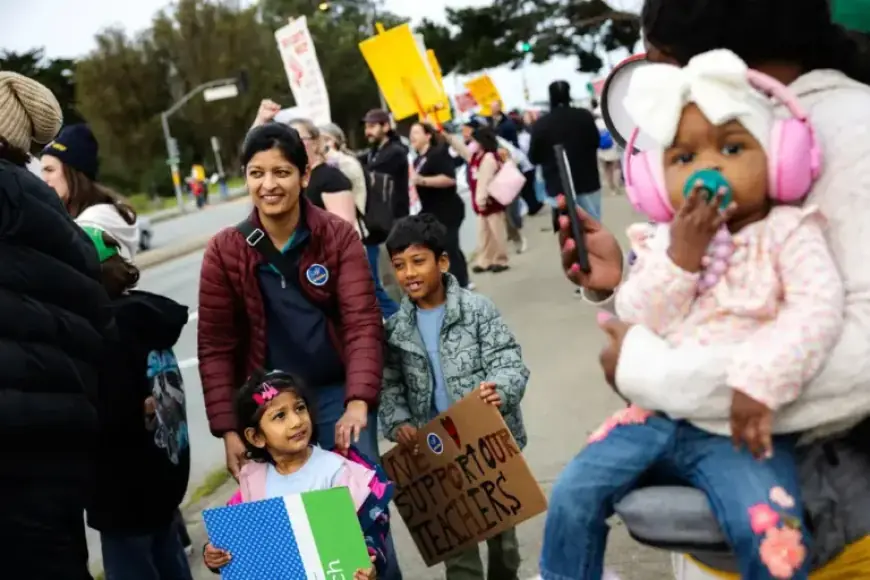
The recent teachers’ strike in San Francisco has raised significant concerns regarding the well-being of children, as families adapt to sudden changes in daily routines. With schools closed, parents are grappling with the balance of work, childcare, and education at home.
Impact of the Teachers’ Strike on Families
As the educators commence picketing for improved pay and better classroom environments, parents are finding themselves in challenging situations. Schools are shut down, leaving parents to create makeshift educational settings in various locations, from small apartments to community centers. Education is now a series of improvised lessons amidst the chaos.
On the first day of the strike, the San Francisco Unified School District (SFUSD) released over 2,600 independent instruction packets. Additionally, the Department of Children, Youth and Their Families provided meals to 2,350 youths while 1,000 students utilized childcare services at city-operated sites.
Home Classrooms and Adjustments
In a particularly cramped living arrangement, Lucky Li and David Chen converted their single-room occupancy unit in Chinatown into a makeshift classroom for their daughters, Linda and Lisa. They are students at John Yehall Chin Elementary School and Jean Parker Elementary School. Despite their limited space, the family strives to maintain educational continuity.
- Li and Chen transformed their bedroom into a dual-purpose space for sleeping and studying.
- Their children are focusing on mathematics and English assignments as well as practicing Chinese characters.
- Despite difficulties in finding childcare, they manage to educate their daughters alongside neighborhood kids.
Alternative Learning Environments
Programs like the Good Samaritan Family Resource Center are stepping up to assist families. Located in Bayview, this center offers recreational and educational activities to support K-12 students during the strike. On Monday, 20 students engaged in lessons intertwined with play activities, such as learning about wind resistance through games.
Family Connections Centers are also adapting by extending care hours for K-5 students. They shifted their starting time to 12:30 p.m. to accommodate families seeking assistance. The program ensures students receive meals and support for their schoolwork.
Student Voices in the Strike
Some students joined the picket lines, expressing support for their teachers. At Cesar Chavez Elementary, children used chalk to write messages advocating for educational improvements. One student, Caleb Douville, articulated the importance of the protest, noting that children also benefit when educators are treated fairly.
Community Support and Food Distribution
In response to the strike’s impacts, local agencies set up a network of 40 food distribution sites across San Francisco. These sites offer free meals, aiming to assist families whose normal routines have been disrupted. However, feedback on the quality of provided meals has been mixed, with some families expressing dissatisfaction.
- Lunch offerings include basic items such as fruits, seeds, and prepackaged snacks.
- Families can collect multiple meal bags to ensure their needs are met.
As the strike continues, the community must find innovative solutions to support children’s education and well-being. The situation underscores the urgency of addressing the ongoing disparities in education and the vital role of teachers in student development.