























Trump Considers Expanding Nuclear Arsenal, Resuming Underground Tests

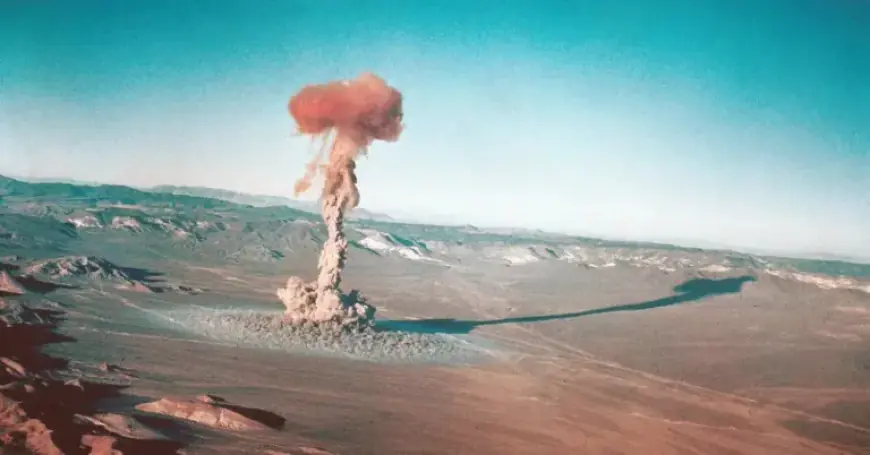
In the wake of the expiration of the New START treaty, the United States is considering expanding its nuclear arsenal and potentially resuming underground nuclear tests. This marks a significant shift in U.S. nuclear policy, moving away from nearly 40 years of controlled nuclear armament.
Trump Administration’s Stance on Nuclear Weapons
The current discussions suggest Washington might increase its nuclear stockpile, a move not seen since the era of Ronald Reagan. President Trump expressed interest in nuclear testing to ensure the U.S. remains competitive with Russia and China, both of which are developing new nuclear capabilities.
Expiration of New START Treaty
The expiration of the New START treaty, which limited warheads for both the U.S. and Russia to approximately 1,550, has opened the door for potential changes. President Trump declined President Vladimir Putin’s offer to extend the treaty informally, fuelling speculation about a renewed arms race.
Modernization and Deployment Plans
Administration officials have mentioned an array of scenarios for reinforcing the nuclear arsenal. Planned initiatives include:
- Reactivating nuclear arms currently in storage.
- Expanding current forces, including shorter-range nuclear weapons.
- Revamping Ohio-class submarines to allow for additional missile launches.
Submarines will see an increase in capability as the Navy plans to reactivate missile tubes previously disabled under New START limits. This could result in hundreds of new warheads available for deployment.
International Reactions and Implications
The possibility of heightened nuclear capabilities raises concerns about an arms race among the leading nuclear powers. Observers note that this could compel Russia and China to expand their arsenals rather than engage in negotiations. China has demonstrated reluctance to participate in arms control discussions, viewing such actions as a potential weakness.
Nuclear Testing Considerations
Recent statements from U.S. officials suggest resuming nuclear tests might occur under specific conditions. The Trump administration proposed that renewed testing could occur without detectable shockwaves, using techniques to minimize their visibility. Concerns arise that this approach could lead to a resurgence of underground nuclear tests.
Terry C. Wallace, a former director at Los Alamos National Laboratory, expressed surprise at the definitive stance taken by the administration regarding China’s concealed tests, indicating a potential shift in U.S. nuclear strategy.
As the situation evolves, the key takeaway is that the U.S. is reassessing its nuclear strategy, with potential implications for global security and the balance of power among nuclear-armed nations.