























Judge Declares 7-Foot Center Charles Bediako Ineligible for Alabama Play

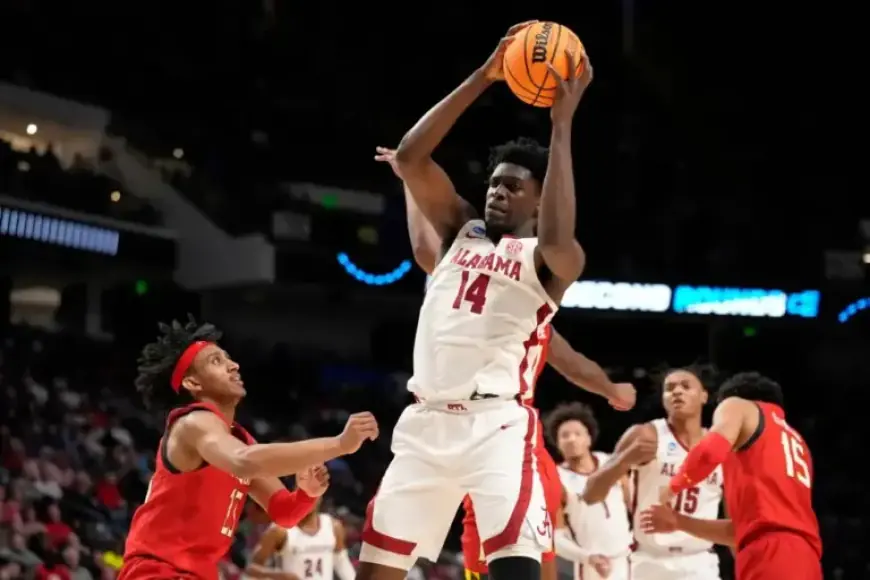
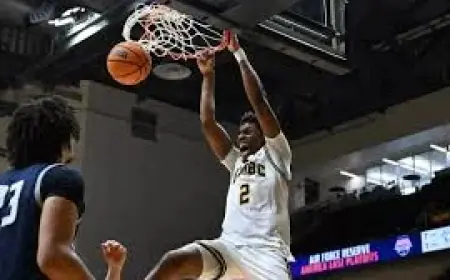
An Alabama circuit judge recently delivered a significant ruling, declaring 7-foot center Charles Bediako ineligible to play for Alabama’s basketball team. The decision effectively ends Bediako’s season with the Crimson Tide.
Details of the Ruling
On Monday, Judge Daniel Pruet denied Bediako’s motion for a preliminary injunction. He stated that Bediako did not provide sufficient evidence to warrant the injunctive relief he sought.
Background of Charles Bediako
- Age: 23
- Average stats this season: 10 points, 4.6 rebounds, 1.4 blocks in five games
- Previous seasons at Alabama (2021-2023): 6.6 points, 5.2 rebounds, 1.7 blocks
- Played for the Motor City Cruise in the NBA G League
Bediako had been playing under a temporary restraining order, which allowed him to join Alabama mid-season despite uncertainties about his collegiate eligibility. He briefly left the Crimson Tide to enter the NBA draft in 2023 but was not selected.
Reactions from Officials
NCAA President Charlie Baker expressed satisfaction with the ruling. He viewed it as a victory for maintaining the integrity of college sports. Baker emphasized that college athletics should primarily benefit student-athletes, not former professionals looking to re-enter college sports.
- Baker: “Common sense won a round today.”
- Noted the need for Congressional intervention to stabilize NCAA regulations.
Alabama expressed disappointment with the court’s verdict. The university issued a statement highlighting the inconsistency in eligibility rulings made by the NCAA. They pointed out that over 100 current men’s basketball players with professional experience have received eligibility.
Implications of the Ruling
Coach Nate Oats confirmed that despite the ruling, Bediako would retain his scholarship and continue pursuing his degree. The Crimson Tide currently holds a season record of 16-7 and is set to face Mississippi shortly.
This situation underscores the ongoing challenges surrounding eligibility rules in college sports, particularly concerning players with prior professional experience. The implications of this case may resonate throughout collegiate athletics, prompting discussions on how to create fairer guidelines and standards for all student-athletes.