























Savannah Guthrie urges Tucson residents to report “anything unusual” — how to share tips without fueling rumors

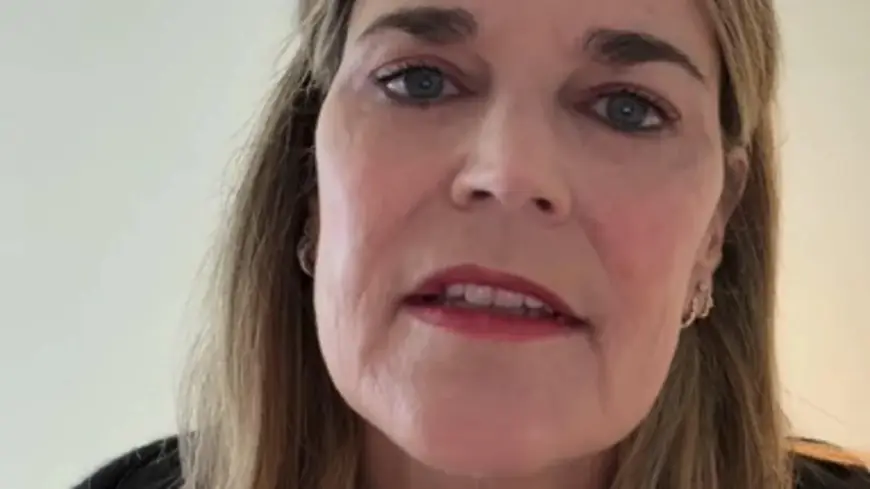
Savannah Guthrie is asking people in the Tucson area to report anything out of the ordinary as investigators search for her missing mother, 84-year-old Nancy Guthrie. The appeal has spread quickly online, but officials have also warned that viral attention can overwhelm tip lines with noise—especially when well-meaning callers share unverified claims, repeat social posts, or call just to express sympathy.
With the case treated as a criminal investigation and a reward of up to $50,000 offered for information leading to Nancy’s recovery or an arrest, the public’s help can matter most when tips are specific, time-stamped, and routed to the right place.
Start with one rule: send facts, not theories
A credible tip is something you personally observed or can document—not a guess about what happened. If you’re unsure whether something is relevant, it can still be worth sharing, but keep it factual: what you saw, where, and when.
What investigators can actually use tends to be concrete: a vehicle you noticed, a person behaving unusually, a sound or disturbance, an unfamiliar visitor, a door camera clip, a receipt that pins down time, or a message you received that seems connected.
What makes a tip “credible”
The best tips give investigators something they can verify quickly. Think like a dispatcher: short, clear, and anchored in details.
Strong tips usually include:
-
Exact location: an address, cross streets, parking lot name, or a clear landmark.
-
Precise time window: “about 7:15–7:30 p.m. ET on Feb. 1” beats “sometime Sunday.”
-
Description you’d want in a BOLO: vehicle make/model/color, plate (even partial), unique decals, clothing, height/build, direction of travel.
-
Your connection to the information: “I saw,” “I heard,” “my camera recorded,” “this is my receipt,” “this was sent to me.”
Weak tips are the opposite: secondhand reposts, screenshots with no provenance, or “I heard a friend say…” chains that can’t be traced.
Where to report it: match urgency to the channel
If something is happening now—someone in immediate danger, a possible sighting in progress, suspicious activity unfolding—use emergency services right away.
For everything else, use the official tip channels posted by local investigators and any federal partners assisting the case. Those channels are designed to log details, request follow-up, and preserve chain-of-custody for recordings or messages.
One practical point officials have stressed in this case: don’t call tip lines to offer condolences. It clogs the system at the exact moment investigators need it for actionable information.
How to share photos, videos, and messages responsibly
Digital evidence is helpful only if it stays intact. If you have doorbell footage, phone video, dashcam clips, or screenshots of messages that seem relevant:
-
Keep the original file on the device or memory card.
-
Write down the context (time, location, what the camera is facing, why it caught your attention).
-
Avoid editing (filters, cropping, adding text overlays). Even small edits can raise questions about authenticity.
-
Don’t post it publicly first. Public posting can alert bad actors, trigger copycat hoaxes, or contaminate witness memory.
If you already posted something and later realize it may be important, report it anyway and tell investigators where it was posted and when.
Don’t amplify the common rumor traps
High-profile missing-person cases often generate “false certainty” online. In this investigation, officials have been cautious about unverified ransom communications and have said there is no publicly confirmed proof-of-life.
That makes it especially important to avoid these rumor accelerants:
-
Sharing “inside info” from anonymous accounts
-
Treating a circulating screenshot as verified evidence
-
Repeating changing ransom figures or deadlines as fact
-
Naming “suspects” based on speculation or old photos
-
Flooding tip lines with “just in case” theories
If you want to help without adding noise, share only the official missing-person photo and verified descriptors released by investigators—and encourage anyone with firsthand information to report it through official channels.
A quick checklist before you hit send
Use this short checklist to turn a concern into a useful tip:
-
What did I personally observe or can I document?
-
Where exactly did it happen?
-
When exactly did it happen (ET)?
-
Who/what can I describe (vehicle/person/behavior)?
-
What evidence do I have (video/photo/screenshot/receipt)?
-
How can investigators reach me for follow-up?
In a case with national attention, the most helpful “viral” action is not reposting the loudest claim—it’s sending the cleanest fact.
Sources consulted: Federal Bureau of Investigation; Pima County Sheriff’s Department; ABC News; People