
























American Travelers Urge Canada to Maintain U.S.-Canada Border Access Program

The Canada Border Services Agency (CBSA) recently announced the termination of the Remote Area Border Crossing (RABC) Program. This decision, made public on December 19, 2025, will officially end the program on September 13, 2026. Americans are urging Canadian authorities to reconsider this decision, as it significantly impacts those living near the U.S.-Canada border.
Importance of the RABC Program
The RABC Program allowed residents from both the U.S. and Canada to obtain annual permits that enabled pre-clearance. With the permit, travelers could cross the border without needing to check in with a Canadian border officer. Each year, approximately 11,000 permits were issued under this program, with about 90% of recipients being American citizens.
Impact of Ending the RABC Program
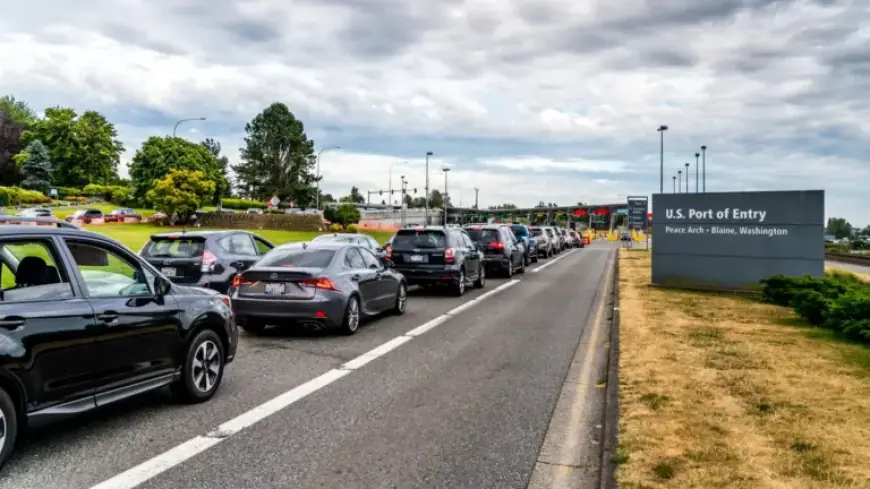
The cancellation of the RABC Program will primarily affect nearly 10,000 Americans who relied on this system for easier access to Canada. Residents from communities near the border expressed their concerns about the inconvenience and longer wait times caused by the shift to a new telephone reporting system.
- Travelers must report their entry either in person or by phone after September 2026.
- Americans raised their concerns through various platforms, including social media and local news outlets.
- The decision has spurred discussions about the implications for essential travel, such as school, work, and medical appointments.
Community Reactions
Many individuals are advocating for the Canadian government to maintain the RABC program. For example, Minnesota resident Jason Goulet highlighted the challenges his family faces due to frequent border crossings. Others have raised fears about potential barriers to accessing properties and cabins located on or near the border.
Conversely, some Canadians have shown support for the decision, arguing for stricter border control measures. Indigenous communities are also apprehensive about the change and are seeking assurances that their travel won’t be negatively impacted.
Context of the RABC Cancellation
The end of the RABC Program is a part of a larger $1.3 billion border security initiative announced in December 2024. This initiative aims to enhance border control measures, which includes 24/7 surveillance and the listing of organized crime groups as terrorist entities. Although some speculate that the stricter U.S. border policies, including new biometric data rules, influenced this decision, the connection remains unclear.
As the termination of the RABC draws near, public opinions are being gathered, allowing residents and stakeholders until February 13 to voice their concerns. With significant travel implications at stake, the fate of the RABC Program is critical for thousands of American travelers and the communities they inhabit.