






















Most-watched halftime show: Bad Bunny’s Super Bowl LX set draws record audience

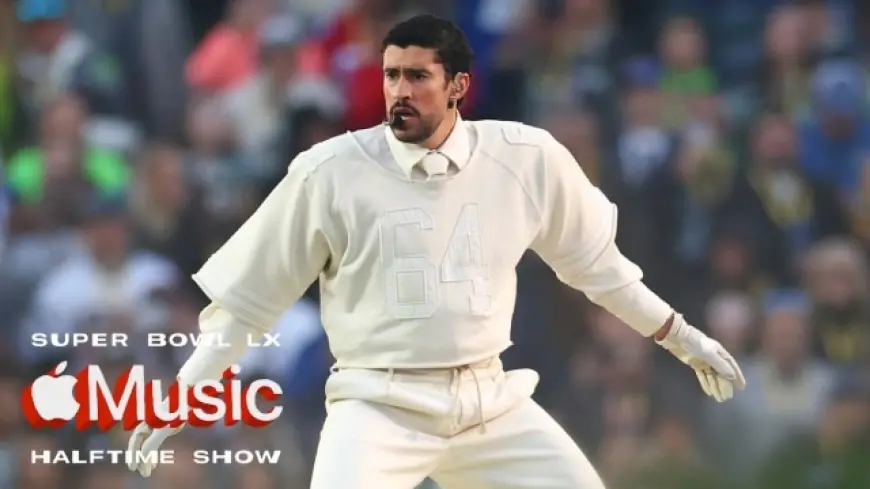
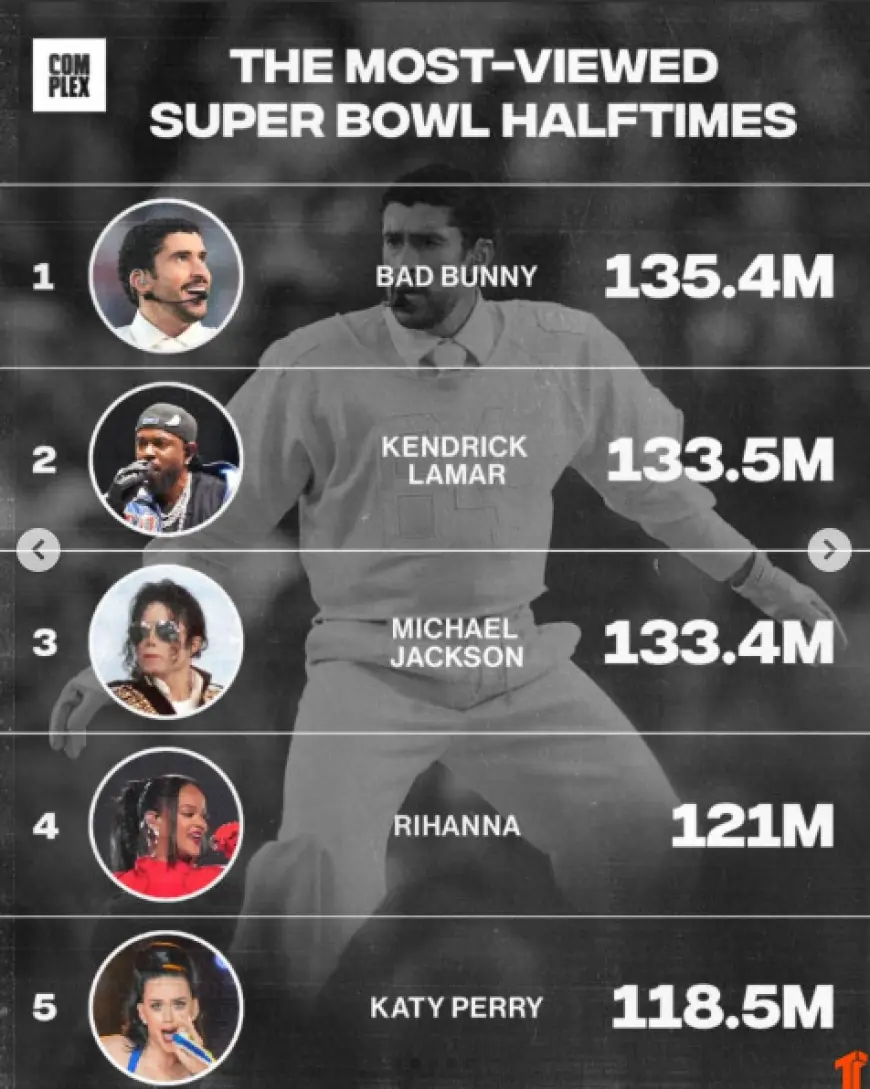
A preliminary audience estimate indicates Bad Bunny’s Super Bowl LX halftime performance on Sunday, Feb. 8, 2026, became the most-watched halftime show on record in the U.S., topping the previous benchmark set last year. The figure is not yet described as a finalized tally, but it is already being treated across the industry as the new number to beat for football’s biggest entertainment stage.
The record matters for more than bragging rights. Halftime audiences are a key yardstick for advertiser confidence, sponsor value, and the league’s ability to turn a 13-to-15-minute music set into a mass, shared moment that often rivals — and sometimes exceeds — the game itself.
A new record, with a “preliminary” label
Early reporting puts the Super Bowl LX halftime audience at about 135 million viewers in the U.S., a level that would edge past 2025’s previous record and extend the recent trend of enormous audiences that spill across traditional TV and streaming.
Because the number is still described as an estimate, the safest read is this: the halftime show appears to have set a new high-water mark, and the finalized measurement will determine the exact margin.
Even with that caveat, the scale is clear. Once a halftime audience pushes into the mid-130-millions, small rounding differences don’t change the headline: a record-sized crowd watched the performance in real time.
Where the record sits in context
The “most-watched” label is based on combined U.S. viewing across broadcast and streaming, using average audience over the halftime window. That makes modern records somewhat different from earlier eras, when streaming wasn’t part of the equation and measurement methods were narrower.
Still, comparing the recent leaders helps show how quickly the ceiling has risen in just a couple of seasons:
| Rank | Halftime headliner | Super Bowl | U.S. audience (approx.) |
|---|---|---|---|
| 1 | Bad Bunny | LX (2026) | 135.0M–135.4M (prelim.) |
| 2 | Kendrick Lamar | LIX (2025) | 133.5M |
| 3 | Usher | LVIII (2024) | 129.3M |
| 4 | Katy Perry | XLIX (2015) | 118.5M |
| 5 | Bruno Mars | XLVIII (2014) | 115.3M |
The striking detail is how the top end has shifted. For years, the record hovered around the high teens (in millions) above 100. In the past two years alone, the record has moved into a range that would have sounded implausible a decade ago.
Why halftime can outdraw the game
Halftime audiences often behave differently from game audiences. Some viewers tune in specifically for the music, then drift away. Others who watched the first half return after stepping out. And because the halftime window is short, it concentrates attention into a tight slice of time.
Three factors have helped drive the recent surge:
-
Broader distribution (more ways to watch live, including streaming)
-
Social acceleration (real-time clip sharing pushes late viewers to tune in fast)
-
Global star power (a headliner with international reach can pull casual viewers who might not otherwise sit through four quarters)
That mix helps explain why a halftime number can match — and sometimes challenge — the game’s own average audience.
What Bad Bunny’s performance signaled
Beyond the raw viewership, the show’s impact is also being measured in after-the-fact engagement: short-form clips, music streaming spikes, and the reach of the pre-show press moment that has increasingly become its own event.
Bad Bunny’s set leaned heavily into cultural imagery and pan-American themes, with big-stage choreography and guest moments designed for instant replay. Whether viewers loved the approach or debated it, the important outcome for audience math was the same: it delivered a halftime that people chose to watch live rather than catch later.
What to watch next
Two follow-on data points will shape how the record is discussed in the coming days.
First: the finalized average audience for the halftime window, including how measurement accounts for out-of-home viewing and streaming. Second: whether the halftime audience exceeded the full-game average this year — a comparison that has become a shorthand for “main event” status.
For the league and sponsors, the message is already loud: halftime is no longer a break in the action. It’s a parallel main stage that can command a historic live audience, and the bar for “most-watched” has now moved into the mid-130-millions.
Sources consulted: Nielsen, NFL, Associated Press, CBS News