

























Smart Motorways: A Costly Misstep in Infrastructure Investment?

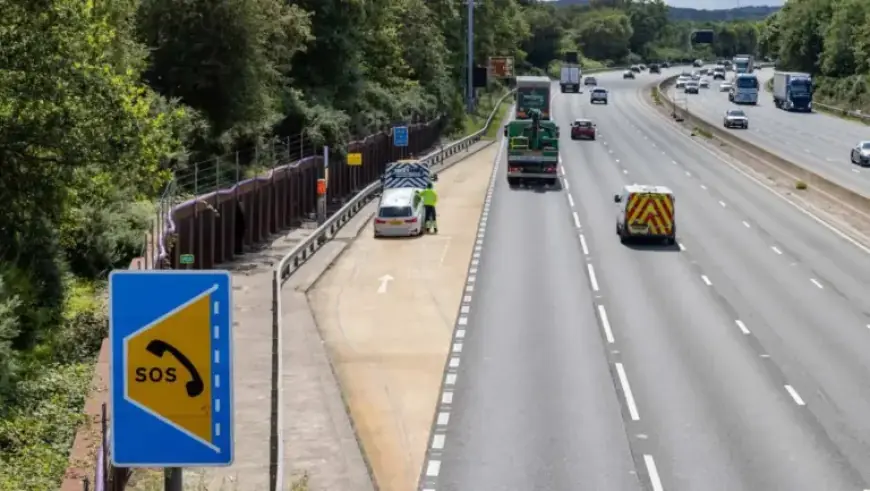
Smart motorways have become a topic of significant debate, with recent evaluations questioning their effectiveness and value for money. A comprehensive review by National Highways, the organization responsible for the UK’s motorways, has revealed a troubling picture of these costly infrastructure projects.
Smart Motorways: Financial Concerns and Efficiency Issues
The National Highways’ analysis included 16 five-year Post Opening Project Evaluations (POPE) of smart motorway projects. Alarmingly, only three of these evaluations indicated that the roads are meeting anticipated value-for-money standards. The remaining projects either align with previously pessimistic forecasts or suggest an increase in costs for taxpayers.
Criticism from Automotive Experts
Edmund King, president of the AA, has voiced serious concerns regarding the findings. He stated, “This has been a catastrophic waste of time, money, and effort.” King emphasized that many smart motorway initiatives are associated with slower journey times, resulting in increased traffic congestion and additional financial burdens on the country. Moreover, the safety records on these modern roadways have come under scrutiny, raising further questions about their implementation.
How Smart Motorways Function
- Designed to alleviate congestion more cost-effectively than traditional motorway widening.
- Utilize existing hard shoulders as additional lanes, enhancing road capacity.
- Employ overhead gantries to impose variable speed limits and manage lane closures in case of obstructions.
Safety Records and Public Perception
Despite National Highways’ claims that smart motorways remain the safest roads in the network in terms of fatalities and serious injuries, public criticism continues to mount. The measures intended to improve traffic flow and safety are often overshadowed by frustrations regarding their practicality and cost-efficiency.
As taxpayers fund these ambitious projects, the conversation around smart motorways is likely to evolve, demanding transparency and effectiveness in future transportation infrastructure investments.