

























German Minister Discusses Auto Industry’s Expansion Plans in Canada

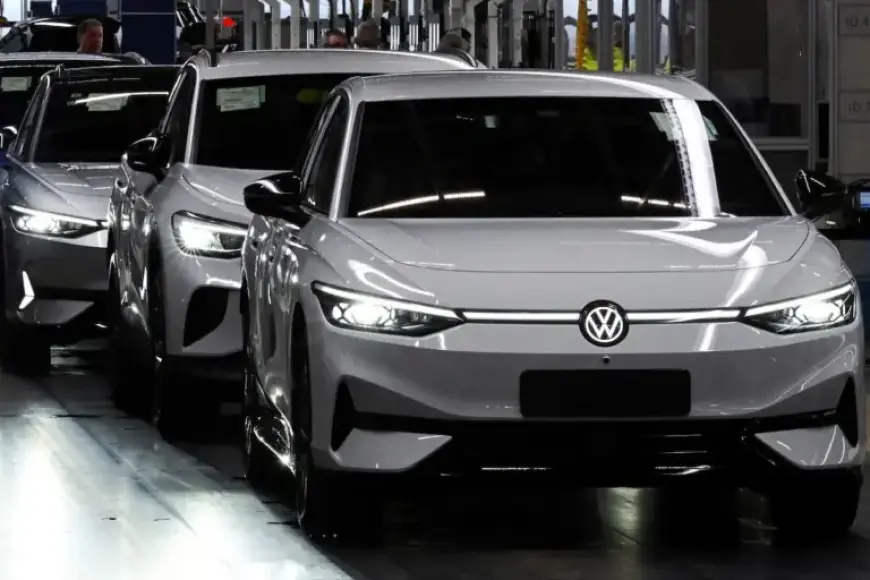
The German automotive sector is exploring major expansion opportunities in Canada, according to Katherina Reiche, Germany’s Minister for Economic Affairs and Energy. The minister described the Canadian auto industry strategy introduced by Prime Minister Mark Carney as “very attractive” for German manufacturers.
Expansion Plans for the German Auto Industry in Canada
Reiche emphasized her country’s commitment to investing in Canadian automotive infrastructure. During a recent interview, she stated, “Our car industry is willing to invest here, because we will find good conditions here.”
Volkswagen’s Commitment
Volkswagen has already made strides in this direction by announcing plans to build an electric vehicle battery factory in St. Thomas, Ontario, through its subsidiary, PowerCo. This move is part of a broader initiative to strengthen its presence in North America’s growing electric vehicle market.
Collaborations and Agreements
The discussions extend beyond mere conversations; Reiche highlighted ongoing talks about specific investments and logistical details. The German government views collaboration with Canada as crucial. This sentiment is echoed by other nations, such as South Korea, which recently signed a memorandum of understanding aimed at boosting auto manufacturing in Canada.
- The MOU with South Korea focuses on electric vehicle and battery production.
- Both nations aim to enhance their industrial footprint in Canada.
Strategic Meetings and Government Initiatives
Reiche was in Ottawa, engaging with key members of Prime Minister Carney’s cabinet, including Industry Minister Mélanie Joly and Energy Minister Tim Hodgson. Their discussions encompassed both the auto sector and the potential submarine deal between Canada and Germany.
While Reiche acknowledged the connection between defense and automotive discussions, she confirmed that the interest in the Canadian auto industry stands on its own. “To gain back production in manufacturing, jobs, especially the car industry, is of major importance,” she noted.
Investment Considerations
Ultimately, the decision for investments rests with individual automotive firms, based on Canada’s competitive production conditions. Reiche commented on the significance of the PowerCo investment, stating it showcases Canada as a reliable partner for automotive and energy sectors.
Future Opportunities
The German minister also expressed interest in acquiring Canadian liquefied natural gas (LNG) to support Germany’s energy needs. Discussions around potential investments in Canadian LNG terminals could further solidify economic ties between the two nations.
In summary, Germany is actively pursuing partnerships to invest in Canada’s automotive industry, particularly in electric vehicles, as both countries look to enhance their collaborative economic landscape.