
























Japan Election Hit by Heavy Snow, Early Polling Station Closures

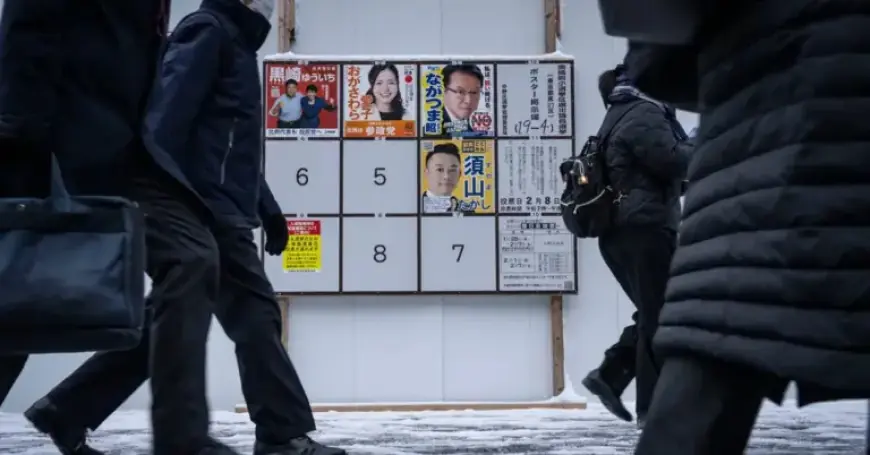
Japan’s snap election faced significant challenges due to heavy snowfall that affected polling stations across the country. Many locations opened late or closed early, raising concerns about voter turnout among opposition politicians.
Impact of Snow on Polling Stations
In Tokyo, voters encountered icy roads and harsh winter conditions as they attempted to cast their votes. The snow blanketed the city overnight, coinciding with the election of Sanae Takaichi, Japan’s first female prime minister. Polls opened at 7 a.m., with temperatures hovering around 28 degrees Fahrenheit.
Election Context
This election was seen as a referendum on Takaichi’s leadership, as she called for a snap election last month. Her aim was to leverage her popularity, especially among younger voters, and secure additional Parliamentary seats for her economic and security policies. Exit polls indicated that her party was likely to achieve a significant victory.
Concerns Raised by Opposition
- Yoshihiko Noda, co-leader of the Centrist Reform Alliance, criticized the timing and notice of the election.
- Noda expressed concern that early station closures hindered democratic participation.
- Heavy snowfall also impacted campaigning efforts for several candidates.
Severe Weather Statistics
Heavy snow accumulation was notable in various regions:
- Kyoto reported nearly 14 inches of snow between 5 a.m. and 11 a.m.
- Tottori, located along the Sea of Japan, saw almost a foot of snow from 1 a.m. to 7 a.m.
The Japan Meteorological Agency reported that around 40 percent of polling stations closed earlier than scheduled due to safety concerns. Over the preceding two weeks, heavy snow caused various disruptions, including dangerous accidents and traveler stranding. Tragically, at least 46 fatalities and 500 injuries have been reported, with warnings that the numbers could increase.
Voter Turnout Issues
The severe weather undoubtedly influenced voter turnout, which was recorded at just 26.01 percent two hours before polls closed. This figure indicates a decline of nearly three percentage points compared to the previous lower house election in 2024, illustrating the adverse effects of the winter storm on democratic participation.