
















Eni Aluko Criticizes Ian Wright, Questions BBC’s England Game Punditry Choice

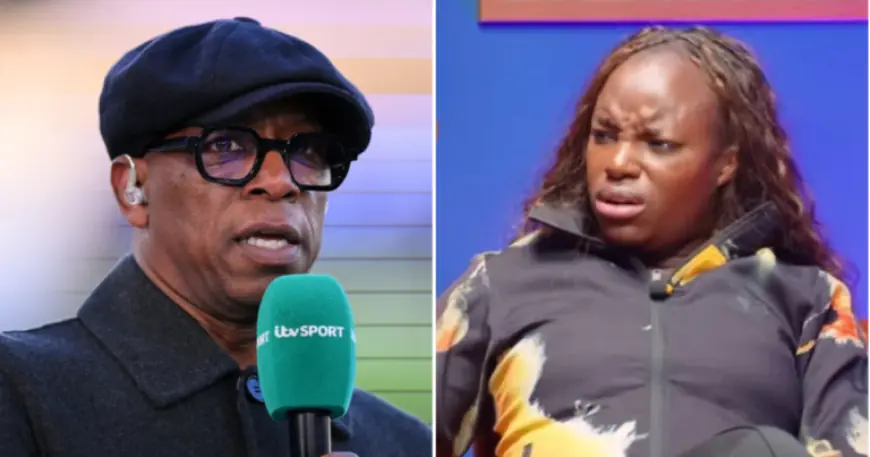
Eni Aluko has voiced her concerns regarding the involvement of male pundits in women’s football, particularly criticizing Ian Wright and the choices made by major broadcasters like the BBC and ITV. Her remarks surfaced during a recent episode of the “90s Baby Show” podcast, where she reiterated her stance from previous discussions.
Aluko Questions Pundit Choices for Women’s Football
Aluko expressed her belief that women’s football should prioritize female voices, similar to the men’s game where male pundits dominate. She argued that by featuring more women in prominent roles, the sport could foster an environment where female athletes are celebrated more effectively.
Critique of Ian Wright’s Role
In her earlier comments, Aluko had accused Wright of hindering opportunities for female broadcasters. She claimed that his presence as a prominent pundit in the women’s game overshadowed potential opportunities for women. Despite issuing an apology to Wright, he did not accept it, leading to ongoing tensions between the two.
During her latest remarks, Aluko emphasized that significant representation of women in punditry is crucial, especially following notable events like the Euro 2025 final. She noted the presence of male pundits, including Wright, who she sees as central figures in coverage that should primarily highlight female talent.
Call for Change in Punditry Representation
Aluko highlighted that the lack of women in high-profile commentary roles demonstrates persistent gender disparities in sports broadcasting. She mentioned her experience, stating that despite her extensive background and achievements in women’s football, opportunities remain limited.
- Aluko’s playing career includes three Women’s Super League titles.
- She scored 33 goals in 105 appearances for the England national team.
- Criticism directed toward major broadcasters for their choice of male pundits during significant women’s events.
She called for increased support for female pundits in all capacities, asserting that equality in opportunities is vital for the growth and visibility of women’s sports. Aluko’s thoughts resonate with many advocates for gender balance in athletics, pushing for accountability from networks that decide pundit lineups.
Moving Forward
As discussions about representation in sports media continue, Aluko remains vocal about her commitment to advancing women’s football. She believes that the future of the sport depends on recognizing and promoting female talents in all facets of the game.
In conclusion, Eni Aluko’s commentary on the roles of men in women’s football highlights an ongoing debate about gender parity in sports broadcasting. Her calls for more female representation not only seek to empower women athletes but also aim to reshape the narrative around women’s sports for future generations.