

























U.S. Sets June Deadline for Ukraine-Russia Peace Deal, Zelenskyy Reveals

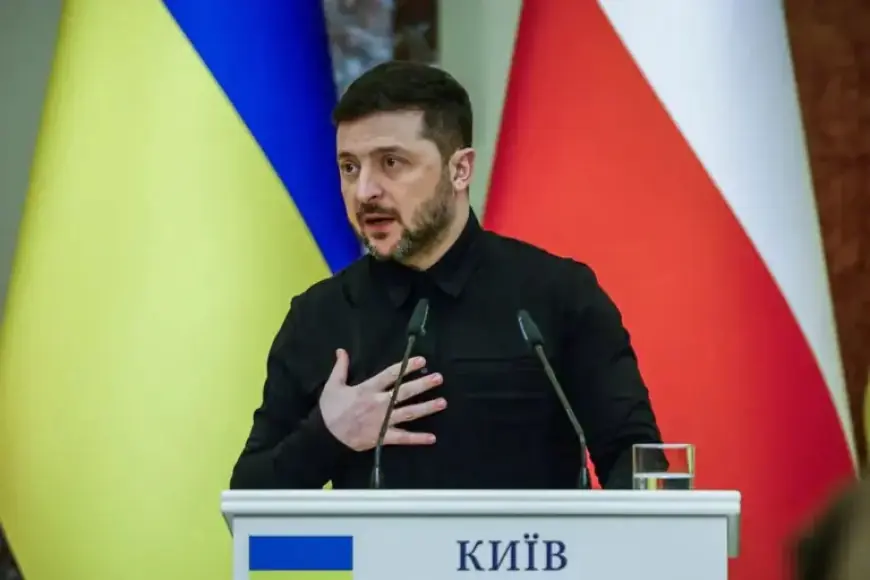
President Volodymyr Zelenskyy announced that the U.S. has set a deadline for Ukraine and Russia to finalize a peace agreement by June. This declaration comes amid ongoing Russian strikes targeting Ukrainian energy infrastructure, which have necessitated reductions in nuclear power production. The pressure to accomplish a resolution has been emphasized by the Trump administration.
U.S. Deadline for Peace Negotiations
Zelenskyy informed reporters that the U.S. is advocating for the cessation of hostilities by the start of summer. He relayed a commitment from American officials to actively push for adherence to this timeline. The U.S. plans to oversee the next round of trilateral talks, anticipated to take place in Miami next week, marking a significant diplomatic engagement.
Trilateral Talks and Economic Proposals
According to Zelenskyy, Russia has submitted an economic proposal worth $12 trillion during negotiations, termed the “Dmitriev package,” named after Russian envoy Kirill Dmitriev. Economic discussions are intricately linked with the broader negotiations between the two nations.
Ongoing Russian Attacks on Energy Infrastructure
In a continuing escalation, over 400 drones and around 40 missiles were deployed against Ukrainian energy installations overnight. Targets included crucial components of the energy grid, which have been significantly impacted, leading to decreased output at nuclear power plants across the nation. Following these assaults, Ukraine’s energy transmission operator, Ukrenergo, reported a substantial power deficit and extended power outages nationwide.
- 400 drones and 40 missiles launched in overnight attacks.
- Strikes hit energy distribution networks and generation facilities.
- Nuclear plants forced to reduce output due to damages.
Challenges in Ceasefire Talks
The latest deadline follows inconclusive trilateral discussions in Abu Dhabi, where the participating parties maintained conflicting demands. Russia is pressing for Ukraine to withdraw from the Donbas region, while Ukraine remains firm in its stance against such a withdrawal.
Zelenskyy expressed that key issues, especially regarding the Russian-held Zaporizhzhia nuclear plant and the Donbas as a potential free economic zone, remain contentious. He affirmed that some of these complex matters are scheduled to be addressed in upcoming leader-level meetings.
U.S. Role in Ceasefire Monitoring
In prior conversations, the U.S. has reaffirmed its intention to assist in the technical monitoring of a proposed ceasefire. Zelenskyy indicated that Ukraine would support a temporary halt to strikes on energy infrastructure, provided Russia reciprocates in good faith. However, he cautioned that previous agreements for ceasefire pauses had not been upheld by Moscow.
As the situation evolves, both sides continue to navigate significant challenges toward establishing lasting peace. In light of recent escalations, the urgency for a diplomatic resolution becomes even more critical for Ukraine’s stability and recovery.