
























Did Acne Medication Lead a Texas Teen to Shoot Friends?

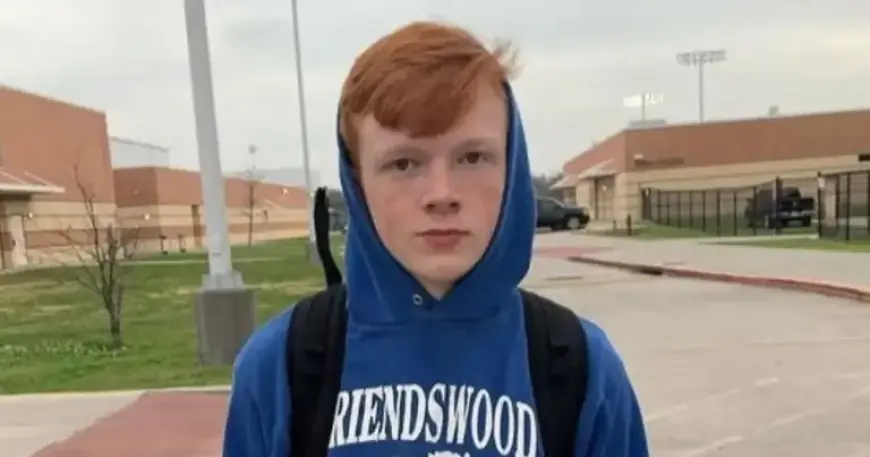
A tragic incident in Friendswood, Texas, raised serious questions about the potential link between medication and violent behavior. On December 23, 2023, 17-year-old Connor Hilton allegedly shot his friends, 18-year-old Ethan Riley and 19-year-old Benjamin Bliek, leaving them critically injured. The events unfolded in Connor’s home when two shots rang out, leading to an emergency call from a 15-year-old who witnessed the chaos.
Incident Overview
At approximately 9 p.m., police arrived at Connor Hilton’s residence where they found Ethan and Benjamin lying on the floor, each suffering fatal gunshot wounds to the head. The scene was distressing, revealing the gravity of the situation. Emergency responders worked urgently to stabilize the victims, while Hilton, visibly shaken, was initially taken into police custody.
Details of the Shooting
- Connor Hilton fired shots during a gathering that included his friends.
- The incident escalated from an argument, according to early testimonies.
- Witnesses reported hearing two loud gunshots before silence fell over the house.
- Hilton later claimed he acted in self-defense, but this narrative changed during police interrogation.
Victims and Family Impact
The shooting left families devastated, particularly the Riley and Bliek families. Benjamin Bliek survived the shooting after extensive medical intervention, which included surgery and rehabilitation. Conversely, Ethan Riley succumbed to his injuries shortly thereafter.
Families’ Reactions
- Shannon Bliek, Benjamin’s mother, expressed deep sorrow over the incident.
- The Rileys mourned their son, Ethan, during a painful hospital vigil.
- Both families emphasized the emotional turmoil and the long-term implications of the tragedy.
The Role of Prescription Medication
Connor Hilton’s defense raised questions about the role of Accutane, a medication prescribed for severe acne, questioning its potential link to his violent actions. Hilton had reportedly experienced psychological side effects during his treatment. Research indicates that Accutane can lead to depression and aggressive behavior, which his defense cited as a contributing factor in the shooting.
Legal Proceedings and Trial
In the months that followed the shooting, Hilton was arrested and charged with murder, leading to significant legal proceedings. His defense team aimed to prove that the medication had profoundly affected his mental state, causing him to act irrationally. However, prosecutors firmly disputed this claim, citing statements from Hilton that suggested a premeditated intent.
Family Opinions and Medical Expert Testimony
While Connor’s parents advocated for the notion that medication influenced his behavior, families of the victims believed it was an excuse for his actions. Medical experts from both sides presented conflicting evidence regarding the medication’s effects on Hilton’s mental health.
Plea Deal and Sentencing
In a dramatic turn, Hilton accepted a plea deal on September 2, 2025, pleading guilty to murder and aggravated assault, resulting in a 50-year prison sentence. This decision reflected an intention to spare the victims’ families from further courtroom trauma.
Conclusion
The case of Connor Hilton continues to ignite debate surrounding the intersection of mental health, medication, and violent behavior. As families cope with the aftermath, questions linger about accountability and the implications of medication in extreme cases like this. Hilton will be eligible for parole in August 2050, at the age of 43, leaving a lasting impact on all those involved in this heartbreaking story.