




















Cubs’ 10-Year Transformation: From Lovable Losers to 2016 World Series Champions

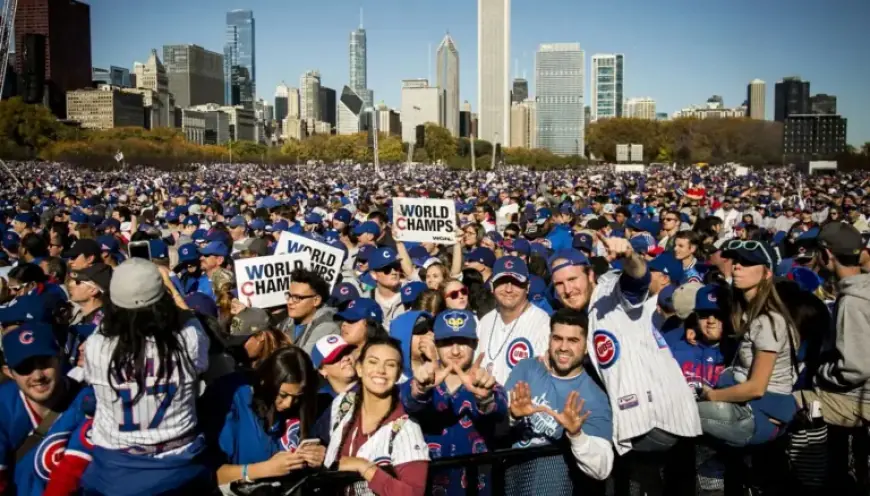
When Theo Epstein agreed to become the Chicago Cubs’ president in October 2011, a long rebuild began. That decision set in motion a decade-long plan that transformed the franchise.
Building the foundation
Epstein and Jed Hoyer reshaped the roster through trades, drafts and free-agent signings. Key moves included trading Scott Feldman to acquire Jake Arrieta and obtaining reliever Pedro Strop in the same deal.
The front office found Hector Rondon in the Rule 5 Draft. They traded Ryan Dempster to land Kyle Hendricks. The club used a top draft pick to select Kris Bryant.
High-profile signings and leadership
Chicago pursued veteran talent and a new manager to accelerate progress. Joe Maddon was hired in November 2014 as manager. He immediately set a bold tone for the team.
The Cubs signed Jon Lester to a six-year, $155 million contract. They later added John Lackey on a two-year deal worth $32 million.
Ben Zobrist joined on a four-year, $56 million contract. Jason Heyward signed a $184 million deal that winter. Those additions aimed to pair youth with proven veterans.
2015: A breakout season
The Cubs won 97 games in 2015 and reached the playoffs. Jake Arrieta returned to Cy Young form. Kris Bryant won Rookie of the Year honors.
Chicago beat the Pirates in the wild-card game and swept the Cardinals in the NL Division Series. The run ended with a four-game sweep by the Mets in the NLCS, highlighting remaining gaps.
Winter moves and spring training of 2016
Front-office activity continued in December 2015. The team added depth and defensive versatility. Dexter Fowler returned on a one-year deal, reinforcing the outfield and the leadoff spot.
Spring training under Maddon was lively. He emphasized embracing the target and building team chemistry with offbeat clubhouse rituals.
Early 2016 momentum and setbacks
Chicago opened 2016 with dominant pitching and explosive offense. Jake Arrieta threw a no-hitter in Cincinnati on April 21, 2016. The club began the season with a 25-6 stretch.
Kyle Schwarber suffered a major left-knee injury on April 7 and was sidelined for much of the year. The team absorbed the loss and kept winning.
Emerging stars and landmark performances
Willson Contreras homered on the first pitch of his major-league career on June 19, 2016. That night also marked the start of an extended dominance in the division.
Kris Bryant produced historic power displays. On June 27 he hit three home runs and two doubles, totaling 16 bases in one game.
Kyle Hendricks began an 18-start run of allowing two or fewer earned runs, eventually leading baseball in ERA.
Late July upgrade: Aroldis Chapman
On July 25, 2016, the Cubs acquired closer Aroldis Chapman from the Yankees. The trade included reliever Adam Warren and prospect Gleyber Torres.
Chapman’s electric arm strengthened Chicago’s bullpen. His arrival also generated public relations scrutiny because of off-field history and a recent suspension.
Dominance down the stretch
The Cubs won 103 games in 2016, the most since the early 20th century for the franchise. They closed the season with a massive division lead and clinched the NL Central in mid-September.
Jon Lester, Jake Arrieta and Kyle Hendricks each delivered critical starts. The rotation and defense formed a balanced championship-caliber unit.
Postseason: pennant and World Series run
In the National League Division Series, Chicago faced the San Francisco Giants. The Cubs advanced after a memorable series, including dramatic late-inning heroics.
The NL Championship Series against the Los Angeles Dodgers ended in a decisive Game 6 victory at Wrigley Field. Hendricks dominated and the team celebrated the first pennant since 1945.
The World Series finale
Chicago met Cleveland in the World Series. The series extended to a Game 7 on November 2, 2016. That night became the signature moment of the franchise’s revival.
The deciding game featured early offense, a tying home run by Rajai Davis in the eighth, and a rain delay. Jason Heyward delivered an emotional speech during the break.
In extra innings, the Cubs produced two crucial runs. Mike Montgomery closed out the game. Anthony Rizzo secured the final out, and David Ross was carried off the field.
Legacy and context
The championship ended a 108-year title drought dating back to 1908. It capped a Cubs’ 10-year transformation from lovable losers to 2016 World Series champions.
The victory validated a long-term strategy of drafting, savvy trades, and targeted free-agent signings. It also underscored the impact of front-office vision and clubhouse cohesion.
Aftermath
The 2016 title remains the high-water mark of the franchise’s recent era. It reshaped expectations for the organization and its fans.
For many observers, the run represents how patient planning and bold moves can end historical frustration. Filmogaz.com will continue covering the Cubs’ post-championship trajectory.