
























Brad Arnold, 3 Doors Down frontman behind “Kryptonite,” dies at 47

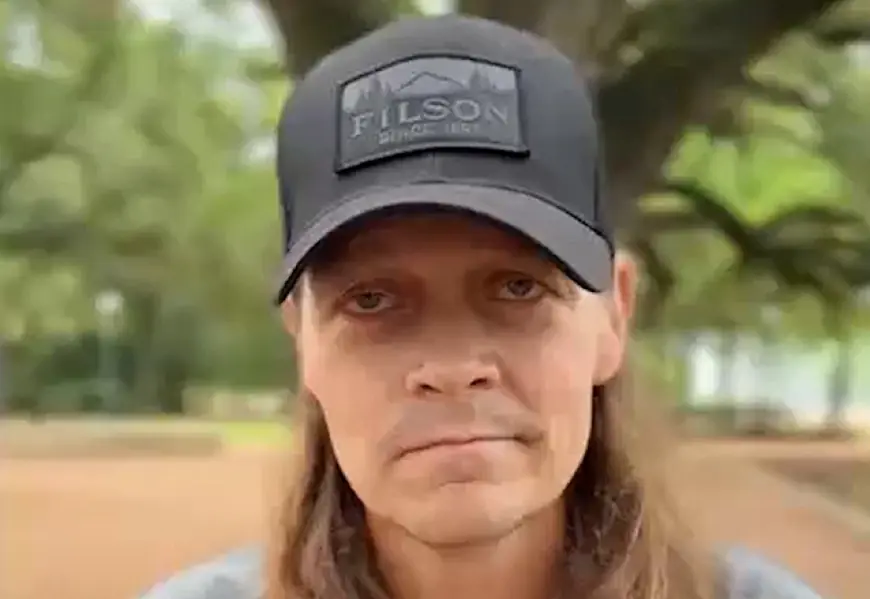
Brad Arnold, the lead singer and founding member of 3 Doors Down, died on Saturday, Feb. 7, 2026 (ET) at age 47, following a battle with stage IV kidney cancer. Arnold’s death closes a career that helped define early-2000s mainstream rock, anchored by the band’s breakthrough single “Kryptonite” and a run of radio staples that kept 3 Doors Down in heavy rotation for more than two decades.
Arnold’s illness had been public since May 2025, when he disclosed an advanced diagnosis that ultimately forced the band to step back from touring plans as his health declined.
Cause of death and what’s been confirmed
Public statements tied to Arnold’s passing described his cause of death as complications from advanced kidney cancer, specifically clear cell renal cell carcinoma. When he shared his diagnosis in May 2025, Arnold said the cancer had spread to his lungs, placing the disease in an advanced stage from the outset.
The band had previously canceled planned touring while he pursued treatment. In the statement shared with fans, Arnold was described as being surrounded by loved ones at the time of his death.
From Mississippi roots to a radio-era anthem
Arnold co-founded 3 Doors Down in the mid-1990s in Escatawpa, Mississippi, and the group’s rise became one of the era’s clearest “local-to-national” success stories. Their early momentum was driven by grassroots radio play, then exploded after “Kryptonite” broke nationally and turned a young band into a defining voice of post-grunge radio.
The song’s staying power was immediate and long-lasting. “Kryptonite” became the opening chapter of 3 Doors Down’s debut album “The Better Life,” which went on to become a multi-platinum landmark of its time and a gateway record for listeners who wanted rock that felt heavy enough to hit hard but melodic enough to sing in the car.
Why “Kryptonite” became the signature
“Kryptonite” worked because it sat at the intersection of three things the early-2000s rock audience wanted: a riff you could recognize in two seconds, a chorus built for shouting, and lyrics that felt personal without being overly specific. The superhero metaphor let listeners map their own meaning onto the song—fear, insecurity, pressure, vulnerability—without Arnold needing to spell out a narrative.
That ambiguity helped it travel. It fit rock radio, crossed into pop spaces, and became a staple at live shows where the first chord could effectively sing the chorus for the band.
The catalog that followed
3 Doors Down didn’t live or die on one single. Arnold’s voice and the band’s songwriting approach—direct emotion, clean hooks, and big choruses—produced a steady stream of hits that stayed in rotation across multiple album cycles.
Among the best-known tracks from the band’s peak era were:
-
“When I’m Gone”
-
“Here Without You”
-
“Loser”
-
“Be Like That”
Those songs helped 3 Doors Down maintain an unusually broad audience for a rock act: fans who wanted arena energy, fans who wanted softer ballads, and fans who wanted the familiar mid-tempo drive that defined mainstream rock playlists for years.
The personal chapter: illness, gratitude, and a final season
Arnold’s public approach to his diagnosis was defined by a mix of realism and gratitude. He spoke openly about being sick before receiving the diagnosis and expressed appreciation for the career he’d had, even as he acknowledged the seriousness of stage IV disease.
As the band stepped away from touring, the focus shifted from new releases to legacy—what the songs meant to fans, how the band soundtracked adolescence and early adulthood for a generation, and how Arnold’s voice became instantly recognizable to anyone who lived through the height of rock radio.
Key takeaways
-
Brad Arnold died Feb. 7, 2026 (ET) at 47 after a battle with stage IV clear cell renal cell carcinoma.
-
He disclosed in May 2025 that the cancer had spread to his lungs, and touring plans were later canceled.
-
His signature legacy is “Kryptonite,” plus a catalog of enduring rock-radio hits that defined an era.
What his death means for 3 Doors Down’s future
Arnold was more than a frontman; he was the band’s anchor and one of its primary identity points—vocally and personally. Any future plans for 3 Doors Down will be shaped by that reality, and decisions around performances, tributes, and possible benefit efforts will likely follow family wishes and the band’s own readiness.
For fans, the immediate impact is simpler: a voice that was part of daily life for decades is gone, and the songs now carry an added weight—an unintended farewell embedded in choruses that were originally built just to be sung loud.
Sources consulted: Reuters, Associated Press, People, Deadline