

























Lindsey Vonn Skis Despite Torn ACL: Why Downhill Differs from Other Sports

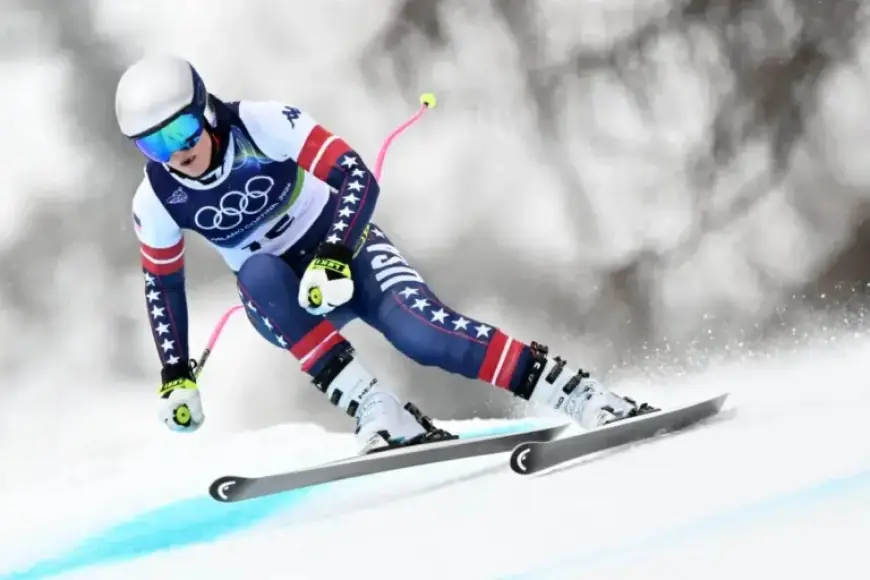
Lindsey Vonn’s recent participation in the Milan Cortina Olympics has raised eyebrows due to her competing with a torn anterior cruciate ligament (ACL). Normally, this type of injury sidelines athletes for a significant period, but Vonn returned to the slopes only days post-injury. On Saturday, she completed her second training run, with plans to race in the Olympic women’s downhill event on Sunday.
Lindsey Vonn’s Olympic Comeback
During her first training run, her coach Aksel Lund Svindal, a fellow Olympic gold medalist in downhill skiing, expressed confidence in her ability to medal. Despite experiencing a slight knee buckle during Saturday’s training, Vonn demonstrated resilience and maintained her goal of racing.
Understanding the Injury
A torn ACL is a serious injury, yet Vonn’s situation is not entirely unique in the world of elite skiing. Many top athletes have competed with ACL tears. However, experts emphasize that Vonn’s successful return relies on several factors, including her experience, modern medical interventions, and specialized skiing equipment.
- Vonn has not experienced significant swelling since the injury, allowing her to ski effectively.
- Medical experts suggest that this may not be her first ACL tear, as subsequent injuries often result in less swelling.
- Other ligaments in Vonn’s knee are currently compensating for the torn ACL, maintaining stability.
Compensation Mechanisms in Downhill Skiing
Racing in speed events like downhill skiing offers unique advantages for athletes with ACL injuries. While the ACL is crucial for knee stability, Vonn utilizes various compensatory mechanisms:
- The design of ski boots restricts ankle movement, thereby reducing stress on the knee.
- Ski bindings help keep the knee aligned during runs.
- Vonn has well-conditioned muscles, particularly in her quadriceps, hamstrings, and glutes, which support knee stability.
At 41, Vonn’s extensive experience contributes to her remarkable body awareness on the slopes. Her coach noted that she tends to modify her landings, often favoring her uninjured knee to ease pressure on the injured one.
The Differences Between Sports
Downhill skiing is classified as a “Level II pivoting sport,” which features less rapid pivoting compared to Level I sports like soccer and basketball. This distinction allows for more controlled movements, which Vonn capitalizes on during her runs. Instead of sudden changes in direction, downhill skiing emphasizes fluidity and speed.
The physical demands of skiing, including maintaining high velocities of 75-95 mph on steep gradients, require exceptional stamina and strength. As Vonn has shown, athletes with superb reaction times and powerful muscle recruitment can navigate downhill courses effectively, even in the absence of a fully functional ACL.
In conclusion, Lindsey Vonn’s ability to ski despite her torn ACL exemplifies the convergence of medical science, athletic prowess, and the supportive nature of the sport of downhill skiing. Her determination and strategic adaptations continue to inspire athletes everywhere.