
























Blood Spatters Challenge New JAG Officers

The recent events surrounding the investigation into the shooting of Renee Good have raised serious questions about the integrity of the legal process. This situation has brought attention to the implications of political influence on law enforcement activities, specifically focusing on the Blood Spatters Challenge faced by new JAG officers.
Background of the Incident
Renee Good’s vehicle was involved in a controversial shooting incident that led to speculation about potential civil rights violations. U.S. Attorney Joseph H. Thompson had proposed an investigation involving both the Minnesota Bureau of Criminal Apprehension and the FBI. This inquiry aimed to evaluate whether the use of force was justified.
Interference in Investigative Processes
Just as preparations commenced, FBI agents received orders to halt their investigation. These orders reportedly came from senior officials, including Kash Patel, who expressed concerns that a civil rights inquiry could undermine President Trump’s claims about Good’s actions during the incident.
- Kash Patel’s role has been criticized as a form of sycophancy that may distort justice.
- The implications include possible complicity from higher authorities in the refusal to investigate blood evidence.
Political Pressure on Prosecutors
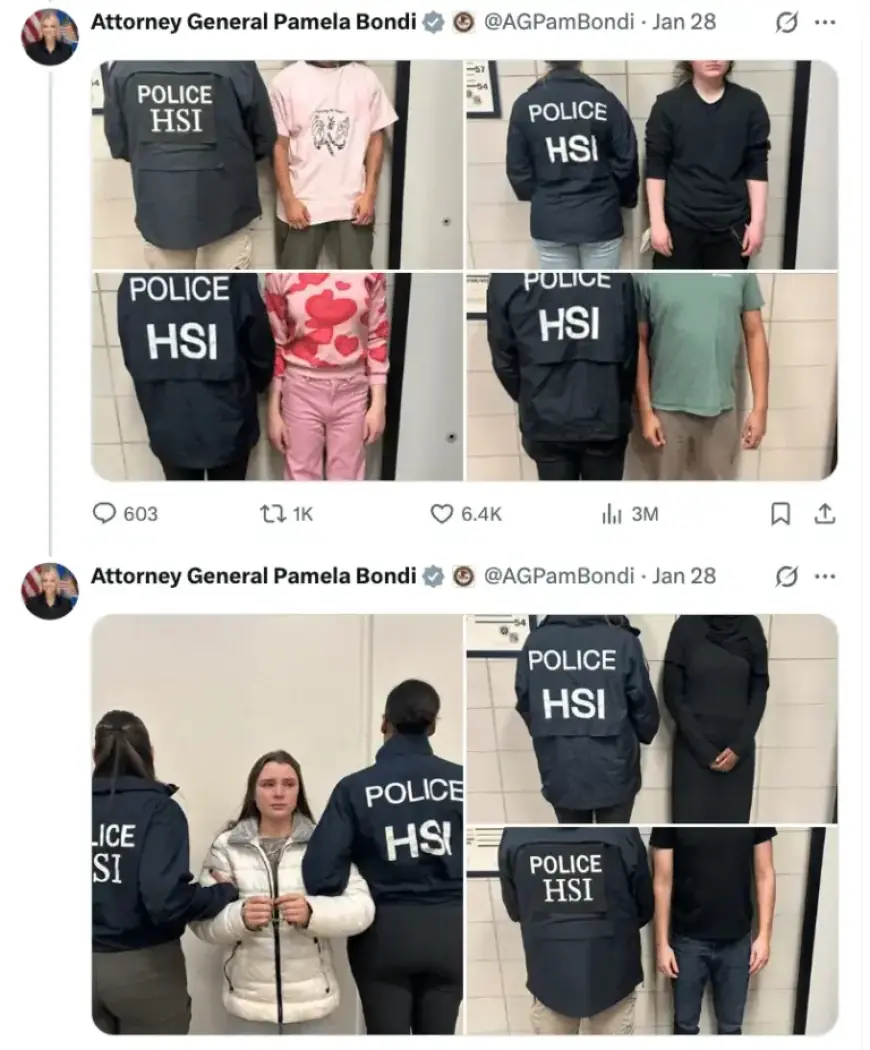
Gregory Bovino, a key figure in enforcement operations, was also noted for exerting pressure on prosecutors to charge protesters. He clearly stated that the objective was not to de-escalate tensions but to suppress dissent.
- Fallout from this pressure resulted in charges against numerous protesters.
- Many of these charges were later downgraded to misdemeanors or faced difficulties in court.
Prosecution Trends and Legal Outcomes
The legal landscape for the protesters has evolved unfavorably for the prosecution, with many cases collapsing akin to similar instances in other cities. This trend raises questions about the motives behind these prosecutions and the role of political influence in legal decisions.
As new JAG officers become involved in these cases, their experiences will be critical in addressing the challenges posed by political interference and upholding justice. Their endeavors will likely shape the future course of these legal battles and the integrity of the judicial system.
Conclusion
The events surrounding the shooting of Renee Good and the subsequent response from law enforcement highlight the ongoing struggle against political intrusion in judicial matters. As the Blood Spatters Challenge continues to unfold, it will test the resolve of new JAG officers and their commitment to justice.