






















Kid Rock-linked festival stop canceled after artist exits reshape the lineup

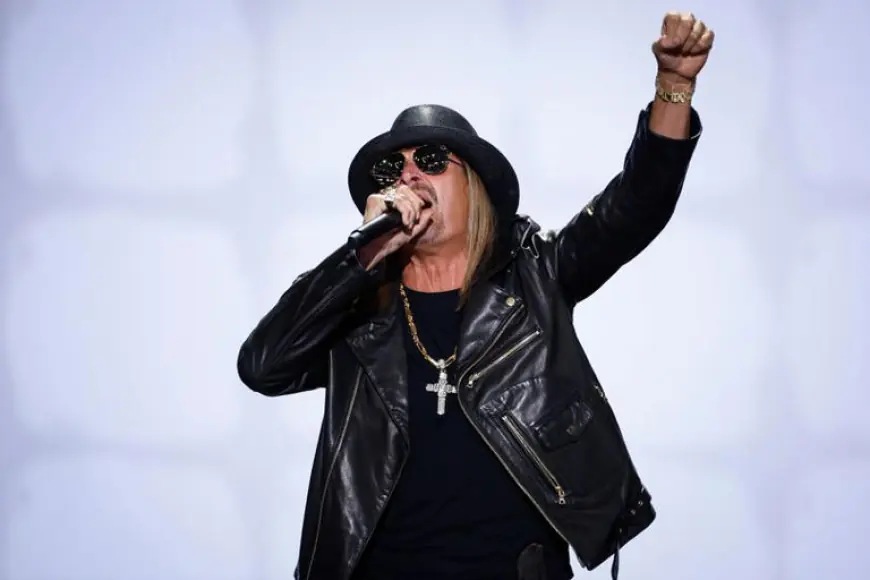
A planned summer stop on the Kid Rock-backed “Rock the Country” festival tour has been canceled in Anderson, South Carolina, after a wave of lineup changes that has pulled major attention toward the event’s political branding. The Anderson dates had been scheduled for July 25–26, 2026 (ET), and local officials confirmed the show will not return this year.
The cancellation is not being described publicly as the end of the entire traveling festival. Instead, it’s the highest-profile disruption so far to a tour-style concept that has marketed itself as a patriotic, small-town celebration tied to the United States’ upcoming 250th anniversary.
Which festival was canceled — and what wasn’t
What’s canceled is the Anderson, South Carolina weekend that was listed as part of the 2026 run. The broader “Rock the Country” tour remains slated to continue in other states, with remaining stops still being promoted in Texas, Georgia, South Dakota, Kentucky, Michigan, Florida, and New York.
That distinction matters because online chatter has framed the development as a full shutdown. The clearer picture is narrower: one host city is out, while the rest of the tour is still positioned to go forward—at least for now.
The departures that pushed the story into the spotlight
The festival’s turbulence accelerated as multiple artists either withdrew or disappeared from promotional materials. The most direct explanation came from Shinedown, which issued a public statement saying the band’s mission is to “unite, not divide,” and that it did not want to be part of something it believed could deepen divisions.
Other exits have been less detailed. Ludacris pulled out earlier amid controversy over the booking, while country artists Morgan Wade and Carter Faith were no longer listed on the lineup without a public explanation. Creed also appeared to vanish from the bill around the same time the Anderson stop was being taken off the schedule.
The pattern has turned the lineup into the story: each change fuels more scrutiny, and the scrutiny in turn raises the reputational stakes for performers weighing whether to stay attached.
Politics, branding, and why this festival draws extra heat
“Rock the Country” has leaned into overt patriotic messaging, positioning the tour as a celebration of community, tradition, and national pride. At the same time, its headliner’s political identity is widely known, and that overlap has made the event a magnet for debate about whether it’s a music weekend, a cultural statement, or both.
In practical terms, that debate shapes risk for artists. Acts that want to avoid being pulled into partisan framing can find themselves facing a lose-lose: play and get criticized for endorsing a message, or drop out and get criticized for “making it political” by leaving.
What the Anderson cancellation means locally
For host communities, a touring festival isn’t just a concert weekend; it’s hotel nights, restaurant traffic, and seasonal staffing. Anderson County officials described the cancellation as a disappointment, reflecting the expectation that a multi-day, high-attendance event can deliver a meaningful economic bump.
Even if the rest of the tour proceeds elsewhere, the local impact is real: workers, vendors, and surrounding businesses that planned around a late-July influx now face a gap in a prime summer window.
What ticket holders should do next
Refund and ticket-transfer logistics depend on where fans purchased passes and whether they bought add-ons such as camping. The most reliable next steps are usually straightforward: monitor the official ticketing channel used for purchase, watch for direct email notices, and keep receipts or confirmation numbers handy.
Key takeaways:
-
The Anderson, South Carolina stop scheduled for July 25–26, 2026 (ET) has been canceled.
-
The festival is still being promoted as a multi-state tour, not a fully canceled series.
-
Multiple artist exits have amplified scrutiny over the event’s political and cultural branding.
What to watch going forward
The next pressure point is whether additional acts remain locked in. If more mid-to-top-line performers exit, the festival could face a domino effect: canceled city stops, reworked schedules, or a shift toward smaller bills to keep dates alive.
There’s also a wider lesson in how quickly festival narratives can change. In 2026, the lineup is only part of the product; the perceived identity of the event is increasingly decisive, especially when a show is framed as a cultural counterstatement rather than just entertainment.
Sources consulted: People; Newsweek; The Independent; Yahoo News