

























“Dracula” (2026) lands in North America with Caleb Landry Jones and Christoph Waltz

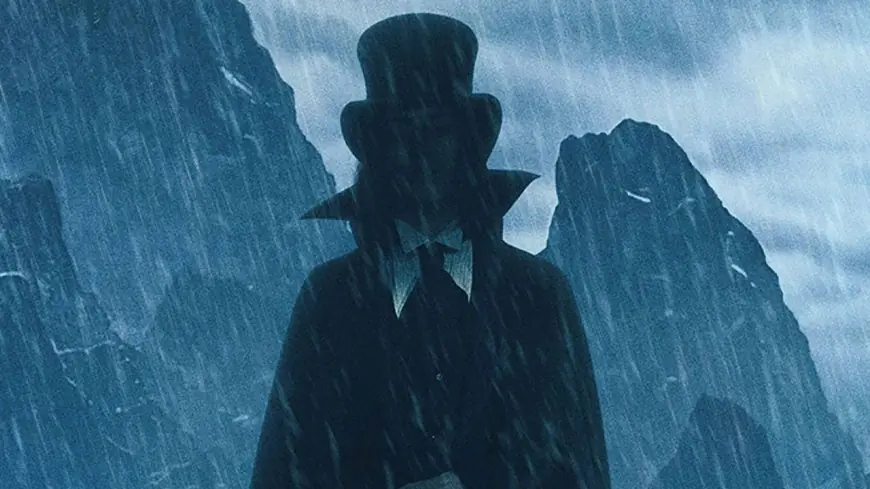
Luc Besson’s new take on Dracula has arrived for North American audiences, led by Caleb Landry Jones as the immortal count and Christoph Waltz as a relentless priest who makes the hunt his life’s work. The film, titled “Dracula: A Love Tale” in some markets, expanded widely on Friday, February 6, 2026 (ET), bringing a romantic, stylized spin to a character whose story has been told—and retold—for more than a century.
The timing adds to the intrigue: this is a fresh entry into a crowded moment for gothic horror, and it’s leaning hard into operatic emotion rather than pure fright.
A romance-first twist on the vampire myth
Besson’s version opens in the late 15th century, with a prince (Jones) shattered by the death of his bride. In grief and rage, he rejects faith and is cursed into an eternal existence as Dracula. Centuries later, he believes he has found his lost love reborn—setting off a pursuit that frames Dracula less as a shadowy predator and more as a tragic figure clinging to one overriding idea: love can outlast time.
That premise pushes the story toward melodrama and spectacle. The film jumps across eras and locations, blending warlike brutality with ornate, high-fashion gothic imagery. It treats immortality as punishment, then dares the audience to sympathize with the monster anyway.
Caleb Landry Jones’ Dracula: theatrical, vulnerable, and strange
Jones plays Dracula with a deliberate mix of grandeur and fragility. The performance is physical—posture, stillness, sudden movement—and it’s also oddly tender, as if the character is permanently exhausted by his own longing. Costuming choices amplify the effect, including a striking pale wig and flowing silhouettes that make him feel like a relic walking through modernity.
The result is a Dracula who can pivot from intimate to intimidating within a single scene. That elasticity is the point: this film wants to blur the line between villainy and heartbreak, and Jones’ approach keeps the character from collapsing into a single note.
Christoph Waltz as the hunter-priest
Waltz plays a priest whose mission is to destroy Dracula, turning faith into a weapon and obsession into a lifestyle. He is not presented as a conventional action hero; instead, the character functions like a moral counterweight—someone determined to end the cycle of seduction, violence, and despair that Dracula leaves behind.
Their relationship becomes a chase with philosophical edges: repentance versus desire, salvation versus fixation. Even when the story veers toward fantasy flourishes, the cat-and-mouse tension between Jones and Waltz provides a clear spine for the narrative.
What else is in the film: cast, style, and sound
The film also stars Zoë Bleu in a dual role tied to Dracula’s lost bride and her later reincarnation, anchoring the romance that motivates the plot. Matilda De Angelis appears in a supporting role, with a broader ensemble that carries the story through its centuries-spanning structure.
Visually, the movie commits to maximalism—rich interiors, heightened color, and occasional surreal touches that signal it’s not chasing strict realism. The score by Danny Elfman leans into that mood, emphasizing sweep and menace rather than minimal dread.
At 129 minutes and rated R for violence, gore, and sexuality, it’s built as an event-style gothic fantasy: lush, pulpy, and intentionally larger than life.
Release timing and what comes next
After debuting overseas in 2025, “Dracula” is now playing widely in U.S. and Canadian theaters as of February 2026. A home-release timeline has not been publicly locked in with a single confirmed date for digital or subscription viewing in North America, leaving the next phase of availability unclear at this time.
In the short term, the film’s trajectory will likely be shaped by word-of-mouth around its tone. Viewers expecting a straight horror film may be surprised by how much it behaves like a doomed romance, while audiences drawn to Besson’s heightened style may find exactly what they came for.
-
Key takeaways
-
“Dracula” opened widely in North America on Feb. 6, 2026 (ET) with Caleb Landry Jones in the title role.
-
Christoph Waltz plays a priest whose hunt for Dracula drives the film’s central conflict.
-
The story emphasizes a centuries-long love narrative, framed with bold gothic visuals and an operatic score.
-
Sources consulted: Associated Press; Reuters; Rotten Tomatoes; IMDb