

























Retinol Gains Popularity, Yet Experts Advise Against Use in Pregnancy

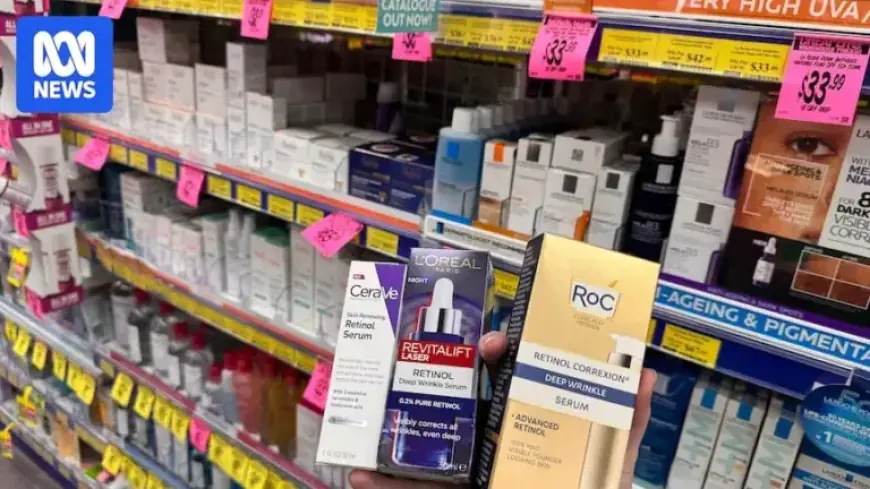
Pregnancy often comes with a plethora of advice regarding what is safe and what to avoid. While many aspects of pregnancy are clear-cut, determining the safety of skincare products can be confusing. Among these, retinoids—a class of vitamin A derivatives—are gaining popularity. However, experts urge caution when it comes to their use during pregnancy.
Understanding Retinoids
Retinoids encompass various forms of vitamin A used in skincare to address issues like acne, wrinkles, and pigmentation. They are considered effective and are often recommended for their versatile benefits.
Types of Retinoids
- Prescription-only:
- Isotretinoin: Strong oral retinoid for severe acne
- Tretinoin: Topical treatment for acne and skin aging
- Tazarotene: Cream for acne and psoriasis
- Trifarotene: Treats acne
- Non-prescription:
- Adapalene: Available through pharmacies for acne treatment
- Retinol: A milder, over-the-counter option
- Retinal: Stronger than retinol but still non-prescription
Safety Concerns During Pregnancy
The primary concern is that oral retinoids can lead to birth defects and are clearly labeled as unsafe for pregnant women. Topical retinoids also come with warnings, but the safety of over-the-counter (OTC) options remains hotly debated.
Conflicting Views from Experts
Mothersafe, a service by NSW Health, states that OTC topical retinoids are generally safe due to lower concentrations. On the other hand, various health practitioners caution against using any retinoids during pregnancy.
Dr. Laura Gerhady, a maternal fetal medicine specialist, notes that there is insufficient research to confidently evaluate the safety of topical retinoids. Instead, she asserts that most people using these products are treating conditions not critical to manage during pregnancy, such as acne.
Recommendations
Most dermatologists, including Dr. Deshan Sebaratnam from Liverpool Hospital, advise pregnant women to avoid all retinoids. They recommend safety over potential risk, even when the chance of harm appears low. Similarly, the American College of Obstetricians and Gynecologists advises against using both prescription and OTC retinoid products.
Accidental Use of Retinoids
If a pregnant woman accidentally uses a topical retinoid, experts suggest not to panic. The quantity absorbed into the system is minimal, and it is not generally considered a cause for concern.
Research Findings
Recent studies indicate that the use of topical retinoids has increased over the past two decades without corresponding evidence of heightened birth defect risks. Despite these findings, the studies acknowledge that more research is required to clarify the safety landscape.
Other Skincare Ingredients to Avoid
- Minoxidil: A hair growth treatment
- Hydroquinone: Used for lightening dark spots
- High doses of salicylic acid: Generally safe in smaller amounts
For expectant mothers, the safest skincare practice involves using regulated products and consulting healthcare providers for personalized advice. Avoiding unverified online products is also recommended.
Conclusion
As retinol gains popularity, its use during pregnancy remains controversial. While some experts deem low-dose OTC options acceptable, many health professionals advocate caution. Always consult a healthcare provider when considering skincare products during pregnancy for the best and safest outcomes.