

























Madison Chock sets early tone for Team USA as Olympic ice dance rivalry sharpens

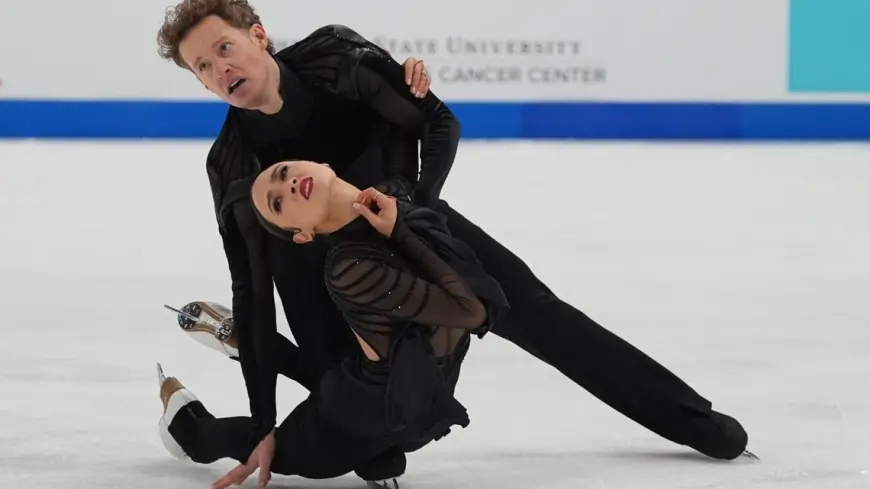
Madison Chock arrived at Milano Cortina 2026 with little left to prove on paper, then used the opening days to put her skating where the headlines are. Paired with Evan Bates, Chock delivered a season-best score in the figure skating team event that helped Team USA hold the overall lead heading into the final day of team competition—exactly the kind of points grab that can decide medals before the individual events even begin.
The bigger story, though, is what comes next. Chock and Bates are now at the center of the Games’ most anticipated figure skating duel: a tight, high-stakes ice dance race where execution, edges, and small levels can swing gold.
A season-best that mattered immediately
In the team event, ice dance is often a “bank points, avoid mistakes” segment. Chock and Bates turned it into a statement. Their season-best 133.23 not only won the segment outright, it gave Team USA a cushion in a format where every placement translates into team points.
The performance also carried a subtle message: their best skating is arriving at the right time. Team events can expose nerves early in a Games, but this run looked like a pair using the Olympic stage to settle into rhythm rather than tighten up.
Where Team USA stands after the skate
Team USA’s strong start in ice dance helped keep the Americans in front after Day 2 of the team competition, with several decisive programs still to come.
| Figure skating team event standings (after Day 2) | Team points |
|---|---|
| United States | 44 |
| Japan | 39 |
| Italy | 37 |
| Canada | 35 |
| Georgia | 32 |
With the remaining disciplines still ahead, the early advantage is meaningful but not decisive. The team event is designed to punish even one subpar skate, and the podium order can tighten quickly as free programs are added.
The rivalry shaping the ice dance gold race
Chock and Bates enter the individual ice dance event as reigning world champions and one of the most complete teams in the field. Their closest pressure point is a newly formed French duo that has surged fast and forced the ice dance conversation into a true head-to-head.
The contrast is simple: Chock and Bates bring years of partnership polish, dramatic presence, and the kind of technical consistency that reduces risk. Their French rivals bring freshness, elite artistry, and a style that can win judges on interpretation and flow when the technical calls are close.
At this level, “better” is often just “cleaner.” A tiny stumble, a missed edge, or a level drop on a key element can erase the advantage of reputation.
Why Chock’s style plays well in Milan
Chock’s skating is built for big arenas: powerful edges, clear musical intent, and positions that read from the top row. That matters in Olympic judging because clarity helps—especially when multiple top teams are packed within a few points.
Her partnership with Bates has also matured into something strategically flexible. They can dial up intensity without looking frantic, and they can skate “controlled” without losing speed—an underrated trait in an event where one overcooked push can turn into a twizzle error or an unstable exit.
The timeline ahead: rhythm dance, then free dance
The ice dance event is set up for a two-part showdown. The rhythm dance comes first, followed by the free dance that typically decides medals when the top teams are within striking distance.
For Chock and Bates, the task is less about chasing a miracle moment and more about repeating their own standard twice:
-
protect levels on technical elements,
-
keep the twizzles precise,
-
avoid small timing breaks that cost grades of execution,
-
and maintain speed through transitions so the program doesn’t look labored late.
If they skate two clean programs, they force everyone else to chase. If they leave the door open, the chasing pack is strong enough to walk through it.
What to watch for beyond the medals
Even for casual viewers, a few details can tell you quickly how a Chock performance is trending: the steadiness of the first element, the sharpness of unison in the mid-program steps, and whether the twizzles look effortless or “managed.” When those pieces click, the score usually follows.
And looming behind the individual race is the broader American objective: converting early team-event momentum into a full-Games haul in figure skating, with ice dance as one of the most reliable medal pathways.
Sources consulted: International Olympic Committee; International Skating Union; Team USA; NBC Olympics