

























Mitch McConnell hospitalized with flu-like symptoms, misses Senate votes

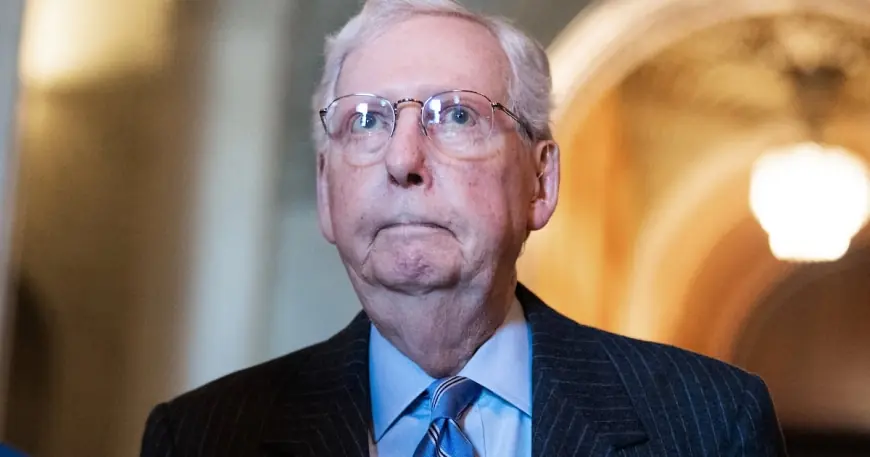
Senator Mitch McConnell has been hospitalized after experiencing flu-like symptoms, his office said, raising fresh questions about the health of one of Washington’s most recognizable figures as the Senate moves through an early-February stretch of votes and procedural deadlines. The 83-year-old Kentucky Republican checked himself into a local hospital on Monday night, Feb. 2, 2026, and his office described the move as precautionary.
No discharge date has been publicly confirmed as of Saturday, Feb. 7, 2026, and the limited updates have kept attention focused on two tracks at once: McConnell’s immediate recovery and what his absence means for a closely scheduled Senate calendar.
What’s known about the hospitalization
McConnell’s office said he sought evaluation after feeling ill over the weekend and entered the hospital “out of an abundance of caution.” His prognosis was described as positive, and his office said he has remained in regular contact with his staff while receiving care.
Beyond that, details have been sparse. The type of illness has not been specified beyond “flu-like symptoms,” and there has been no public confirmation of whether he has been placed under observation, treated for a specific infection, or undergoing additional tests. That lack of detail is typical in many high-profile medical situations, where teams aim to share reassurance without overpromising a timeline.
How long he’s been away from the Senate
McConnell missed Senate votes on Monday and Tuesday following his admission. The immediate operational impact is modest because the chamber can continue to function without a single senator, but his absence can matter on tight margins—especially for votes requiring near-full attendance or for negotiations where senior figures play an outsized role.
Even though McConnell is no longer the party leader, he remains influential in caucus strategy, fundraising networks, and institutional relationships. When he is off the floor, it changes the daily rhythm of who convenes meetings, who speaks for the conference, and who handles the small but consequential moments that shape outcomes behind the scenes.
Why this episode resonates politically
McConnell’s hospitalization lands after several years in which his health has repeatedly drawn public attention. He has suffered falls, including one in 2023 that resulted in a concussion and fractured rib, and he has had high-profile episodes in which he appeared briefly nonresponsive during public appearances. Those incidents fueled an ongoing debate about the age and fitness of senior lawmakers, a debate that regularly flares when any major figure is sidelined.
This latest episode also comes after McConnell’s decision to step away from his leadership post and his plan not to seek another term. That retirement horizon has not reduced scrutiny; it has sharpened it, because every health development prompts questions about how fully he can maintain his workload through the remainder of his term.
What it means for Republicans and the Senate agenda
McConnell’s conference has already adjusted to life without him at the top, but he still plays a unique role as a long-serving institutional power broker. In the near term, the practical issues include:
-
Whether his absence affects attendance math for key votes
-
How quickly he can return to committee work and closed-door meetings
-
Whether leaders adjust scheduling to avoid tight vote counts while he’s out
In the medium term, the political stakes are more about optics and continuity. Senior lawmakers on both sides have tried to keep health matters from becoming partisan weapons, but the broader public conversation about leadership age tends to intensify whenever there’s a hospital admission—even when the prognosis is described as positive.
What to watch next
The next public signals will likely come from routine Senate activity rather than a detailed medical briefing. Here are the clearest indicators of change:
-
A statement confirming discharge, or confirming continued observation
-
McConnell returning to votes on the Senate floor
-
Any update clarifying whether he is recovering from a confirmed respiratory virus
-
A revised week-ahead schedule that suggests leaders are planning around absences
Until those signs appear, the most accurate description remains the one offered by his office: a precautionary hospitalization following flu-like symptoms, with a positive prognosis, but with the exact timeline unclear.
Sources consulted: ABC News, The Guardian, People, Lexington Herald-Leader