

























US Appeals Court Confirms Trump’s Immigration Detention Policy

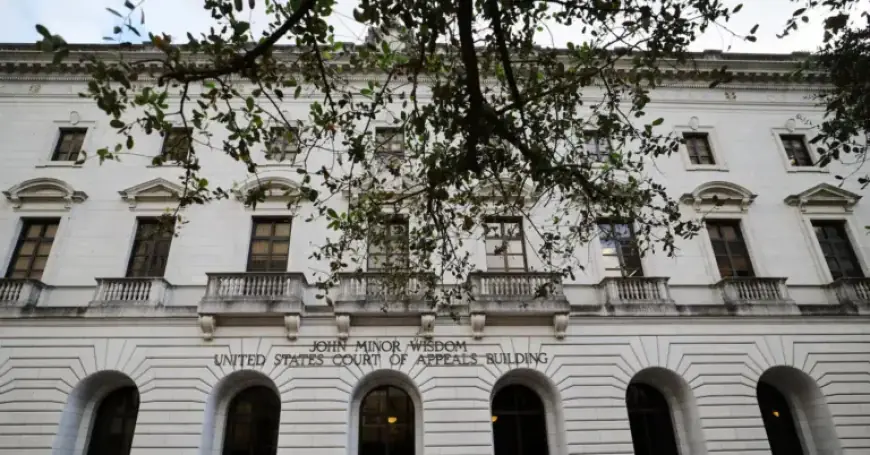
On February 6, 2025, a notable decision emerged from the John Minor Wisdom U.S. Court of Appeals in New Orleans. The 5th Circuit Court upheld the Trump administration’s controversial immigration detention policy. This ruling marks a significant moment in U.S. immigration law.
5th Circuit Upholds Trump’s Immigration Detention Policy
A conservative panel of judges, voting 2-1, confirmed the policy mandating that individuals captured during immigration enforcement can be detained without the opportunity for bond release. This is the first instance where an appeals court has validated the policy, despite numerous lower-court rulings deeming it unlawful.
Implications of the Ruling
The 5th Circuit’s jurisdiction encompasses Texas and Louisiana, regions with a high concentration of immigration detainees. The ruling is poised to affect thousands of individuals residing in these states, where several detention facilities are located.
- Judges described their ruling as correct based on the text of the Illegal Immigration Reform and Immigrant Responsibility Act of 1996.
- U.S. Attorney General Pam Bondi praised the decision, asserting it counters activist judges opposing immigration policies.
- Discussions surrounding this case indicate potential interventions from other appellate courts and possibly the U.S. Supreme Court.
Contrasting Perspectives in the Court
U.S. Circuit Judge Edith Jones, representing the majority viewpoint, asserted that the current interpretation of immigration law took precedence over previous administrations’ interpretations. In contrast, Judge Dana Douglas dissented. She argued that the original Congress would not anticipate that the law necessitated the detention of millions of individuals without bond options.
Among those challenging the policy were Victor Buenrostro-Mendez and Jose Padron Covarrubias, both Mexican nationals who claimed they were illegally denied bond hearings. This case underlines the ongoing legal disputes arising from the revised interpretations of immigration laws.
This court ruling aligns with the broader national dialogue on immigration enforcement, as the legal landscape continues to evolve. Future decisions from other courts might further shape the implementation of this policy.