

























Who Is Liable for Snow and Ice Slip-and-Fall Injuries?

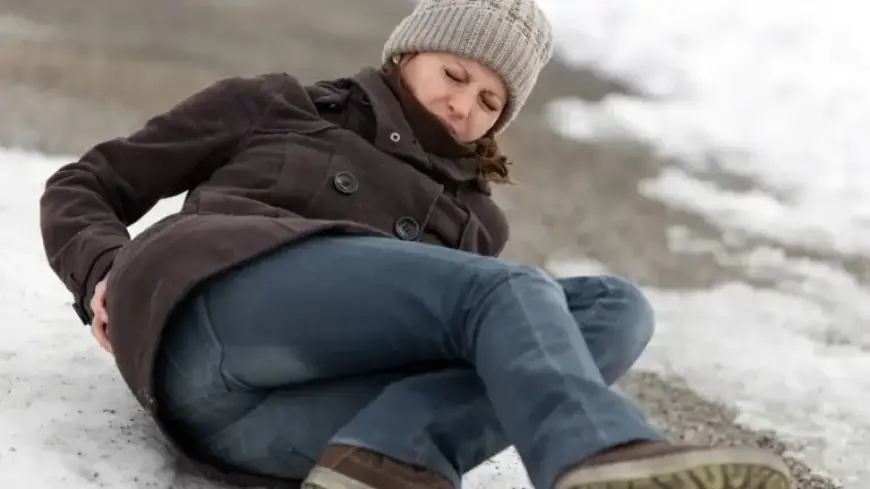
Winter brings beautiful scenery, but in regions like the Capital Region of New York, it also introduces significant risks for pedestrians. Snow and ice can create hazardous conditions, especially in places such as sidewalks, parking lots, and walkways. Every year, numerous individuals sustain injuries from slipping and falling on these slippery surfaces. This situation leads to a pressing question: Who is liable for snow and ice slip-and-fall injuries?
Understanding Liability for Slip-and-Fall Injuries
According to legal expert Andrew Finkelstein of Finkelstein and Partners Personal Injury Attorneys, property owners have a clear obligation to keep their premises safe from hazardous conditions, including those created by snow and ice. However, the liability of property owners is not immediate.
Timing of Liability
The duty to remove snow and ice generally commences once a snow event has concluded. During an active snowstorm, property owners are not required to clear their premises. After the storm subsides, they are afforded a reasonable timeframe to address snow and ice removal.
Role of Snow Removal Contractors
Many property owners enlist snow removal contractors to manage this work. However, it’s important to note that these contractors typically owe a duty solely to the property owner who hires them. They may not be held liable unless they exacerbate the existing hazardous conditions.
Common Hazards Created by Snow Piling
- Improper snow piling can lead to dangerous icy conditions.
- Snow assembled at the top of a hill may melt during the day and refreeze at night.
- This can result in ice slipping into parking areas, heightening risks for pedestrians.
Finkelstein warns pedestrians to be cautious, especially near large snow piles close to walkways or parking areas. These piles can signal the potential for ice hazards.
Conclusion
Understanding who is liable for snow and ice slip-and-fall injuries is crucial for both property owners and pedestrians. Both groups must recognize the risks presented during winter, ensuring safety is a shared responsibility.