
























$9 Billion in Renewable Energy Projects Fast-Tracked in Two Years

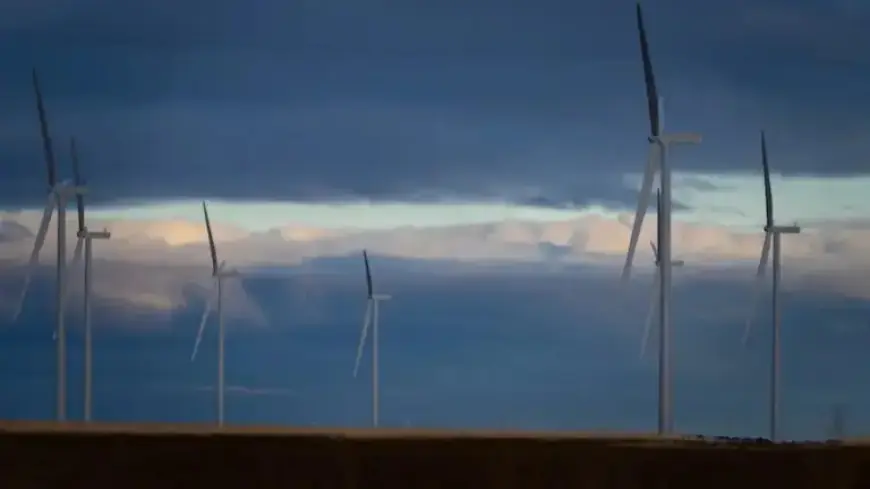
Victoria’s renewable energy landscape has undergone significant transformation, with over $9 billion in projects fast-tracked since 2024. The state’s Planning Minister, Sonya Kilkenny, leveraged the Development Facilitation Program to expedite the approval process for 25 renewable energy initiatives. These projects have the potential to power more than 735,000 households annually.
$9 Billion in Renewable Energy Projects Fast-Tracked
The fast-tracked renewable energy projects aim to contribute to Victoria’s energy generation and sustainability goals. The projects include solar farms, wind farms, and battery storage facilities, which will help provide cleaner energy to the state’s residents.
Key Developments and Approvals
- Planning Minister Sonya Kilkenny utilized powers under the Development Facilitation Program.
- Approved projects are projected to generate power for over 735,000 homes annually.
- Battery storage projects could eventually supply energy to 2 million households during peak usage.
This unique framework allows renewable energy projects to be classified as significant economic developments. As a result, they bypass lengthy planning panels and third-party appeals through the Victorian Civil and Administrative Tribunal (VCAT). Previous estimates indicated that over 20% of applications faced delays in VCAT, sometimes extending timelines by up to two years.
Major Project Highlights
Recent approvals under this program include notable large-scale battery projects:
| Project Name | Capacity (MW) | Homes Powered |
|---|---|---|
| Heywood Battery | 300 | 103,000 |
| Glenrowan Battery | 400 | 138,000 |
These batteries are strategically located to store excess energy generated from solar and wind during the day, ensuring a reliable power supply at night.
Impact of the Renewable Energy Strategy
Victoria has exceeded its renewable energy target for 2025, achieving 22.6% of electricity generation from renewables, against a goal of 40%. The state currently has nearly 100 large-scale renewable projects operational, including 54 solar farms. Rooftop solar systems supplied about 16% of the state’s electricity last year.
The shift toward renewable energy and battery storage coincides with the impending closure of the Yallourn power station in 2028. This transition aims to mitigate the potential loss of 1.48 gigawatts of power from the coal-fired generator.
Community Engagement and Challenges
Despite the progress, the rollout of renewable projects has faced opposition from local communities. Concerns focus on land use, consultation efforts by developers, and the anticipated benefits for regional areas.
Recently, VicGrid paused consultations on the establishment of six proposed renewable energy zones, crucial for the development of wind, solar, and battery projects. The agency cited the ongoing recovery from recent bushfires as a reason for the delay in community consultations.
The government is responding to feedback regarding the project boundaries to accommodate environmental and industry concerns. Community sessions, initially planned for early February, are being rescheduled to allow for greater public involvement.
As Victoria continues its shift towards renewable energy, the efficient approval and implementation of these projects remain vital to achieving a sustainable energy future while addressing community concerns.