
























Peter Attia Faces Fallout Over Epstein Emails as His TV Contributor Role and Business Ties Come Under Intensifying Scrutiny

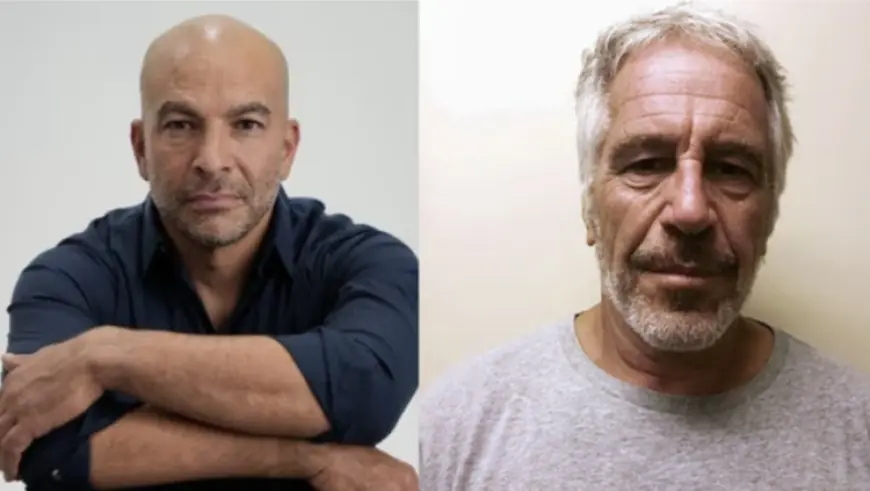
Dr. Peter Attia, the physician-turned-longevity celebrity whose advice shapes how millions think about aging and prevention, is confronting a fast-moving reputational crisis after newly surfaced emails linked to Jeffrey Epstein reignited questions about elite access, judgment, and accountability. The controversy escalated in early February 2026 as fresh document releases circulated widely, prompting Attia to issue a public apology and triggering immediate consequences across his business and media footprint.
The practical effect is that Attia is no longer being debated primarily as a health educator. He is being judged as a public figure: what he normalized, what he tolerated, and whether his influence ecosystem can survive the reputational shock.
Who is Dr. Peter Attia and why his platform makes this different
Attia built his modern identity on credibility: long-form explanations of risk, disciplined training, and a prevention-first framework that treats aging as something to manage rather than accept. His following is unusually loyal because it sees him as a translator of science into action, not simply a personality.
That’s why this story hits harder than a standard celebrity scandal. In medicine-adjacent influence, trust is the product. When trust cracks, every recommendation becomes suspect in the eyes of critics, and every business relationship becomes a reputational liability for partners.
What the Epstein-linked emails appear to show and what Attia has said
The documents driving the current uproar show email exchanges that appear friendly and familiar, with references that read as banter rather than distant, arms-length communication. The content has been criticized as tasteless and ethically indefensible given Epstein’s public criminal history and the broader context surrounding him.
Attia responded with an apology that characterized the emails as embarrassing and wrong, emphasizing that he did not engage in criminal conduct. That distinction matters legally, but the public argument is largely ethical: why maintain closeness, why use that tone, and why keep the relationship alive long after Epstein’s notoriety was widely understood.
This is the core mismatch fueling outrage: a medical authority figure selling discipline and integrity while appearing, in private correspondence, to treat a deeply toxic relationship as a joke.
Why the “TV contributor” angle is amplifying the backlash
The controversy ballooned because Attia recently stepped into a high-visibility contributor role for a major U.S. broadcast news operation. That appointment placed him in a credibility-sensitive seat at exactly the moment the Epstein-linked material began circulating widely.
In media terms, the issue is not simply whether Attia can appear on air. It’s whether a news organization can credibly present a public-health voice whose judgment is under national scrutiny, without distracting from every segment and without appearing indifferent to the moral dimension of the controversy.
That pressure tends to produce one of two outcomes: quiet de-emphasis of the contributor, or an abrupt severing of ties once the cost-benefit equation flips.
Business consequences: why partners move quickly when reputations turn
As the story spread, the reputational risk migrated to the companies and projects connected to Attia. In this kind of crisis, partner institutions often act before a legal standard is met, because they are managing brand harm, not courtroom evidence.
That dynamic is a key “behind-the-headline” reality: the marketplace imposes consequences on a faster timeline than formal investigations. Even a strong defense can be too slow for sponsors, boards, and media executives who must answer to audiences and stakeholders immediately.
Second-order effects follow quickly. Other health influencers may face renewed scrutiny for past associations. Brands may tighten vetting. Newsrooms may rethink the wisdom of turning high-profile wellness figures into on-air authorities without deeper reputational due diligence.
What we still don’t know
Several facts will determine whether this becomes a brief controversy or a lasting collapse:
-
The full scope of in-person contact, including whether meetings occurred and in what contexts
-
Whether any communications suggest introductions or facilitation involving other people
-
Whether additional document tranches add new details or merely expand the volume of already-known material
-
Whether professional bodies, employers, or partners initiate formal reviews beyond public statements
It’s also crucial to separate confirmed material from the rumor layer that grows around high-profile document releases. Viral claims can outpace verification, and that fog can distort legitimate accountability into generalized insinuation.
What happens next: realistic scenarios and triggers
-
Contributor role quietly shrinks if the network concludes the controversy is a recurring distraction. Trigger: sustained backlash each time Attia appears publicly.
-
Formal separation occurs if leadership decides the credibility cost outweighs the value of his audience reach. Trigger: new, specific details that keep the story in the spotlight.
-
Attia publishes a detailed timeline and explanation aimed at rebuilding trust. Trigger: partner pressure and audience demand for clarity beyond an apology.
-
The story fades if no new substantive details emerge and the public moves on. Trigger: competing news cycles and lack of fresh revelations.
-
Wider industry tightening follows, with more aggressive vetting of public-facing experts. Trigger: additional prominent figures in the longevity and wellness space facing similar scrutiny.
The reason this matters is bigger than one man’s inbox. It’s about how modern authority is built and monetized, how quickly it can fracture when private behavior contradicts public branding, and whether the institutions that amplified that authority are willing to impose meaningful consequences when trust breaks.