

























TrumpRx launches with discounted drug prices, but patients face key limits

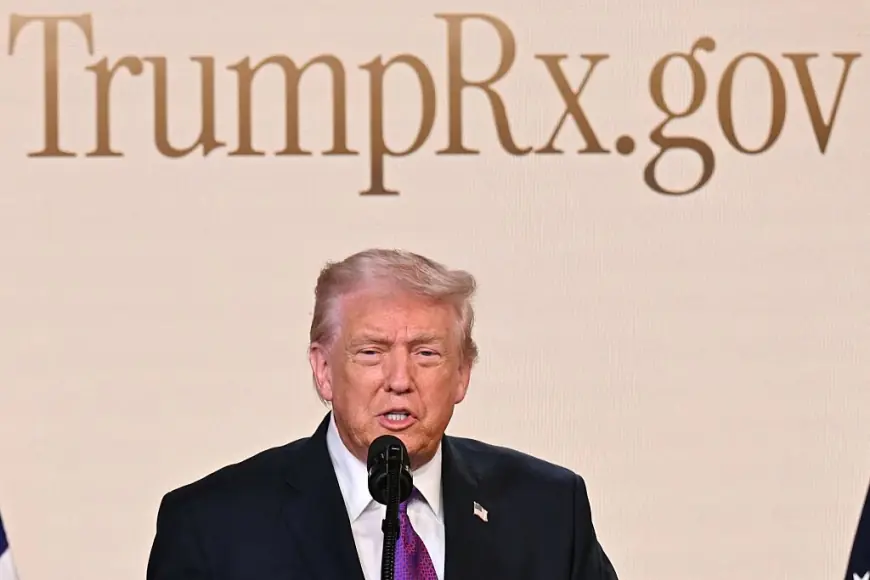
The new TrumpRx prescription-drug site went live Thursday, February 5, 2026, promising “most-favored-nation” cash prices on dozens of high-cost brand medications. Within hours, searches spiked for the TrumpRx list of drugs, TrumpRx prices, and whether popular GLP-1 drugs like Zepbound are included—alongside confusion over look-alike “Trump Rx” pages that are not part of the government program.
The rollout is designed to be simple for consumers: check whether a medication appears on the list, then follow the instructions to purchase through the offer tied to that drug. The reality is more nuanced, especially for people with insurance.
What TrumpRx is and what it isn’t
TrumpRx functions as a discount portal, not a full-service online pharmacy. It displays specific cash-price offers and then routes patients to complete the purchase steps tied to each medication.
Two limitations shape who benefits most:
-
Cash-paying only at launch: The program is built for out-of-pocket purchases. If you use an insurance plan, these purchases generally won’t count toward your deductible or annual out-of-pocket maximum.
-
Prescription still required: The discounts don’t bypass normal prescribing rules. Patients still need a valid prescription, and availability can depend on the manufacturer’s fulfillment process and eligibility terms.
For many insured patients, the best price may still be their plan’s copay—so the program is most compelling for uninsured people, those between coverage, or those facing very high cash prices for drugs their plan does not cover.
TrumpRx list of drugs: what’s on it right now
At launch, the program displayed 43 medications spanning several categories, including weight-loss and diabetes GLP-1s, fertility drugs, respiratory inhalers, women’s health therapies, antimicrobials, and specialty treatments.
The list includes both widely recognized brands and niche therapies that often come with steep sticker prices. Several fertility medications stand out because fertility coverage is inconsistent across employers and plans, leaving many patients exposed to high out-of-pocket costs.
The site also signals that more medications are expected to be added, suggesting the current list is a starting slate rather than the final scope.
TrumpRx prices: sample discounts shown at launch
TrumpRx highlights “lowest cash prices” versus a higher “original price” benchmark. The biggest attention has focused on GLP-1s and fertility medications.
Here’s a snapshot of prominent examples displayed on the TrumpRx browse list at launch:
| Medication | Lowest TrumpRx cash price shown | Original price shown |
|---|---|---|
| Wegovy (pill) | $149/month | $1,349.02 |
| Wegovy (pen) | $199/month | $1,349.02 |
| Ozempic (pen) | $199/month | $1,027.51 |
| Zepbound | $299/month | $1,087.00 |
| Gonal-F | starting at $168.00 | $966.04 |
| Cetrotide | $22.50 | $316.12 |
| Insulin lispro | starting at $25.00 | (not displayed in the same format) |
Important caveats: “starting at” pricing can depend on dose, packaging, and offer structure. Some drugs show ranges of percentage discounts rather than a single fixed percent.
Where GoodRx fits in
GoodRx is positioned as an integration partner tied to pricing and discount functionality within the TrumpRx experience. Practically, that means the program can resemble a streamlined front door to manufacturer cash programs and coupon-style savings rather than a wholly new pricing system.
That matters for expectations: patients may see overlap with discounts that already exist elsewhere, and the “best” option can vary by pharmacy, location, and whether a patient’s insurance copay is lower than the cash offer.
The biggest open question: are there cheaper alternatives?
A major critique surfacing immediately is that some TrumpRx-listed brand drugs have low-cost generics that can be cheaper than the TrumpRx cash price—especially for common conditions like acid reflux, infections, or long-established therapies.
That doesn’t make TrumpRx irrelevant; it changes how consumers should use it. The most practical approach is comparison shopping:
-
Check your insurance copay (if insured).
-
Compare the TrumpRx cash offer to a generic equivalent when clinically appropriate.
-
If the medication is a high-cost brand with limited substitutes (notably many GLP-1s and certain specialty drugs), the TrumpRx cash price may be more meaningfully competitive.
TrumpRx vs “Trump Rx” look-alike sites: how to stay safe
Because the program is new and heavily searched, similarly named non-government pages can spread quickly through ads and social posts. A simple rule helps: the official program is on a government “dot-gov” address. If you land on a non-government address, treat it as unaffiliated unless proven otherwise.
Before entering personal information:
-
Avoid sites that ask for sensitive identifiers (like Social Security numbers) to “unlock” pricing.
-
Be wary of urgent pop-ups, countdown timers, or requests for payment information before you’ve even confirmed an offer pathway.
-
If you’re unsure, navigate to the official program through trusted government pages rather than clicking a forwarded link.
What to watch next
The program’s real-world impact will hinge on three things over the next several weeks: whether additional drugmakers join, whether cash prices remain stable and actually match checkout experiences, and whether policy changes allow insured purchases to count toward deductibles or broader coverage.
For now, TrumpRx looks most useful as a quick price-check tool—especially for expensive brands where patients often face the steepest out-of-pocket bills.
Sources consulted: The White House; TrumpRx (official government site); Pfizer; STAT