






















Polar Vortex Set to Unleash February Chaos

The polar vortex is a significant meteorological phenomenon responsible for severe cold weather patterns. Forming over the North Pole, it is a vast area of circulating cold air. Under normal conditions, strong winds maintain its stability. However, when these winds weaken, the vortex can wobble, leading to dramatic changes in weather, especially across North America.
February Chaos: Impacts of the Polar Vortex
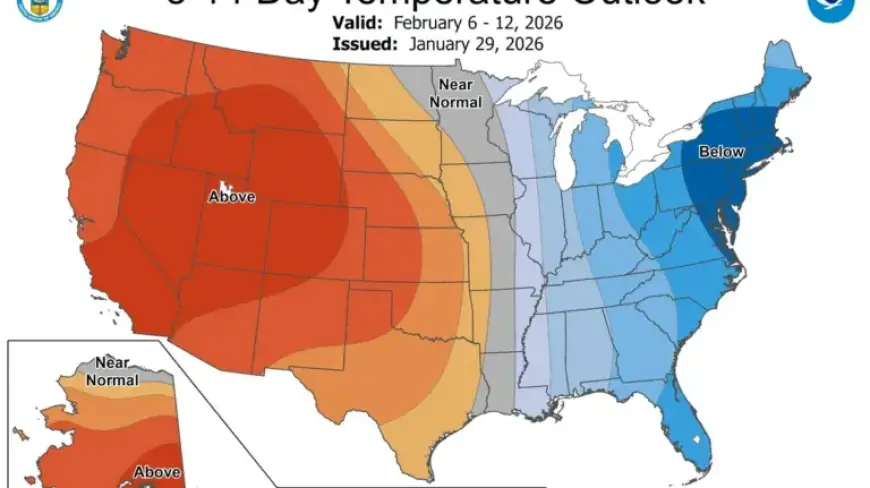
This February, the polar vortex is expected to unleash chaos, bringing frigid conditions to much of the eastern United States. According to meteorologists, including Ben Noll from the Washington Post, this region is forecasted to be the coldest area relative to average temperatures globally for the next ten days. The cold wave is causing extreme temperatures unseen in eight years in cities like Detroit, New York, and Boston.
Causes of the Extreme Cold
The current cold spell can be partially attributed to cold air influx from Siberia. Judah Cohen, a climatologist from MIT, noted that Siberia is known for producing the coldest air in the Northern Hemisphere during winter. The resurgence of the polar vortex has been cited as a contributing factor to this extreme weather across the Midwest and Northeast.
Forecast for the Coming Weeks
- Early February: Much-below-normal temperatures are likely to persist.
- February 8-11: Another surge of bitterly cold air is expected, along with possible snowfall.
- Mid-February: Weather predictions remain uncertain, with no significant warming expected.
While temporary relief from the relentless cold may occur, long-range forecasts by meteorologists like Paul Pastelok indicate that the polar vortex could yield another harsh cold front in mid-February. This extensive period of severe cold conditions is raising concerns for those who must spend time outdoors.
Understanding the Polar Vortex
The polar vortex’s behavior can significantly alter winter weather patterns. When it stretches, frigid air floods into the central and eastern United States. Conversely, a strengthening polar vortex confines the cold air to the Arctic, reducing its impact on lower latitudes. Experts suggest that we could anticipate additional disruptions of the polar vortex, complicating short-term weather predictions.
As February progresses, residents should stay informed about weather developments. The situation remains fluid, and while forecasts indicate ongoing cold spells, conditions may change rapidly as the effects of the polar vortex continue to unfold.
For further updates on weather and climate predictions, visit Filmogaz.com.