






















Brisbane 2032 Sets Program, Faces Tough Decisions for Some Sports

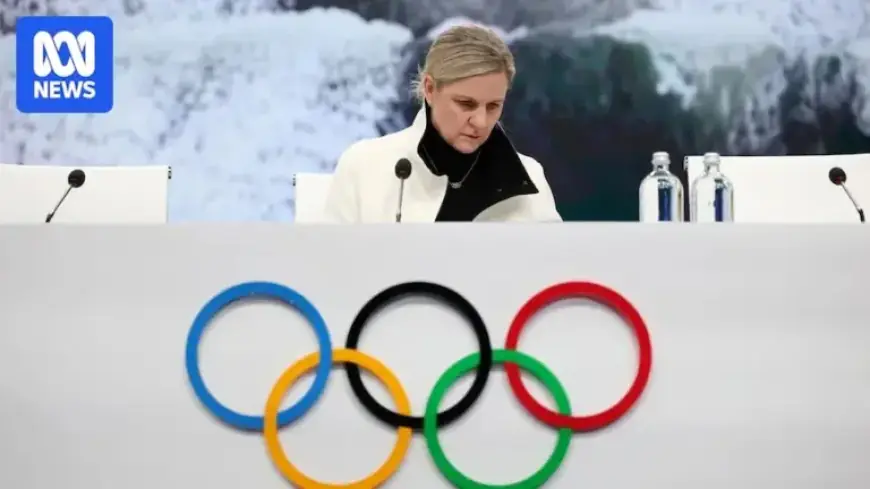
The Brisbane 2032 Olympic Games is poised for significant transformations as organizers navigate the complexities of modern sporting events. International Olympic Committee (IOC) president Kirsty Coventry indicated that difficult discussions lay ahead regarding the inclusion of certain sports. Andrew Liveris, the president of Brisbane 2032, expressed an optimistic stance toward these uncertainties.
Brisbane 2032: A New Perspective on Olympic Sports
During the IOC Summit in Milan, Liveris remarked, “We don’t know what sports will be included, and that’s really a good thing.” He emphasized that the selection process would not conform to any specific sports agenda but rather the opposite. The upcoming Games face substantial financial challenges, with Liveris admitting that the current budget does not align with financial realities.
Fit for the Future Program
Under Coventry’s leadership, a review of over 450 medal events from more than 40 sports federations is underway. This initiative is part of the IOC’s “Fit for the Future” program, designed to streamline the Olympic sports framework. Key pillars of this program include:
- The Youth Olympic Games
- The Olympic program
- Protection of women’s sports
- Commercial partnerships and marketing
Future of Sports Selection in Brisbane 2032
The Olympic program working group, chaired by Karl Stoss of the Austrian Olympic Committee, is tasked with evaluating sports selection. The group aims to harmonize the size of the Games with the relevance and integration of both traditional and emerging sports. Options for sports crossover, such as introducing cross country running and cyclocross into the Winter Games, are also under scrutiny.
Coventry acknowledged the necessity for candid evaluations of existing and potential sports. “We must evolve with our times,” she stated, highlighting the potential discomfort in making these decisions. Nevertheless, Coventry insisted that these discussions are essential for preserving the integrity and appeal of the Olympics for future generations.
Budget Considerations and Venue Development
As preparations continue, Brisbane organizers are optimistic despite budgetary pressures. Liveris underscored that the IOC has allowed flexibility in naming additional events. “They suggested we assess everything collectively,” he mentioned.
Discussions surrounding venue logistics also remain a priority. The new Olympic stadium in Queensland will serve as the site for the opening and closing ceremonies, as well as athletics events, helping to mitigate some logistical challenges posed by a dispersed venue strategy.
Impact on Athlete Numbers and Sports Categories
The Los Angeles 2028 Games are set to introduce six new sports, increasing its athlete quota from an “ideal” 10,500 to approximately 13,000. Liveris pointed out that while LA may have expanded its athlete limitations, the Brisbane 2032 Games aim to maintain a more sustainable quota.
As the Brisbane 2032 team contemplates new sporting additions, there has been interest from several disciplines, including breaking. Although Liveris found the concept intriguing, he refrained from making any commitments on selection until the IOC finalizes its review.
Looking Ahead
Coventry articulated the need for the Olympic Games to resonate with the values and aspirations of contemporary youth. “It’s vital that the Games inspire future generations,” she asserted, encouraging a departure from traditionalist views.
In summary, Brisbane 2032 is navigating a critical moment in Olympic history, balancing tradition with the demands of modern sports. The decisions made in the coming years will shape the future of the Games and their relevance to younger audiences globally.