

























Review: ‘Queen of Chess’ Unveils a Grandmaster’s Remarkable Journey

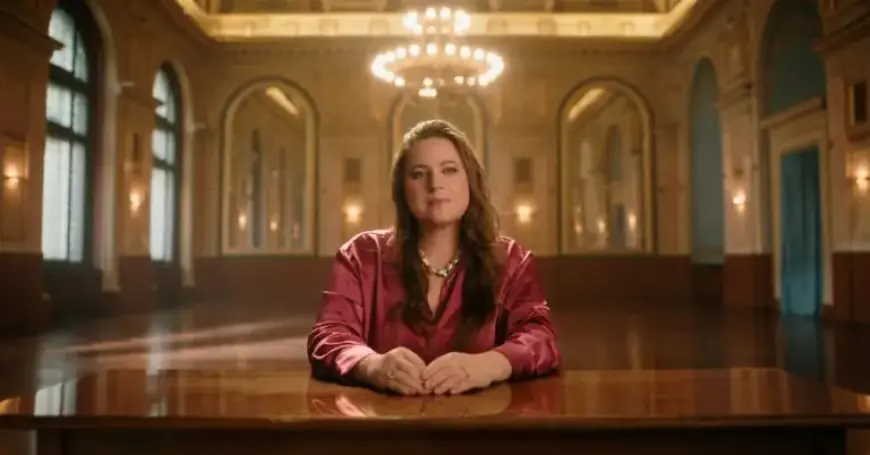
In 1991, Judit Polgar made history at just 15 years old by becoming the youngest chess grandmaster ever. This achievement not only eclipsed the previous record held by Bobby Fischer but also challenged the long-standing notion that women were less capable in chess. At the time, prevailing attitudes deemed female players as inferior, lacking the intellectual and competitive edge required for success in the game.
Unveiling Judit Polgar’s Journey in “Queen of Chess”
The Netflix documentary “Queen of Chess,” directed by Rory Kennedy, chronicles the extraordinary career of Judit Polgar. Recognized as the world’s highest-ranked female chess player from 1989 until her retirement in 2014, Judit’s story is one of perseverance and excellence. The film uses archival footage and interviews with her family to highlight her unique upbringing in Hungary under challenging political and economic conditions.
A Unique Upbringing
Judit’s father believed that “geniuses are made, not born.” This belief fueled his commitment to provide his daughters with extensive chess training. His investment included hiring multiple chess tutors, even when funds were scarce. The Polgar sisters practiced chess rigorously, dedicating their lives to the game with no holidays or breaks.
- Judit Polgar: Youngest chess grandmaster at age 15 (1991).
- Ranked top female player from 1989 to 2014.
- Sister Susan: Chess grandmaster.
- Sister Sofia: International master.
Overcoming Challenges
At the time, it was virtually unheard of for women to compete against men in chess. The Communist government in Hungary initially opposed international competition for the Polgar sisters and refused to grant them travel permits. However, their eventual participation in international tournaments showcased Judit’s talent.
As Judit began defeating older male competitors, she faced backlash, including men refusing to shake her hand in frustration. “Queen of Chess” captures these moments, weaving Judit’s victories with the historical context of shifting gender norms and geopolitical changes in chess.
Match Highlights
A significant aspect of the film is the in-depth exploration of Judit’s matches against Russian grandmaster Garry Kasparov. Their controversial first match, where Kasparov was reportedly seen breaking a rule, is particularly noteworthy. The film features his reflections on their encounters, adding depth to the narrative of Judit’s rise.
Through its engaging storytelling, “Queen of Chess” not only celebrates Judit Polgar’s impressive achievements but also challenges the stereotypes surrounding women in chess. The documentary serves as an inspiring reminder of talent, hard work, and the changing perceptions of gender in competitive sports.