
























Scientists’ Attempt to Drill ‘Doomsday Glacier’ Thwarted by Antarctic Ice

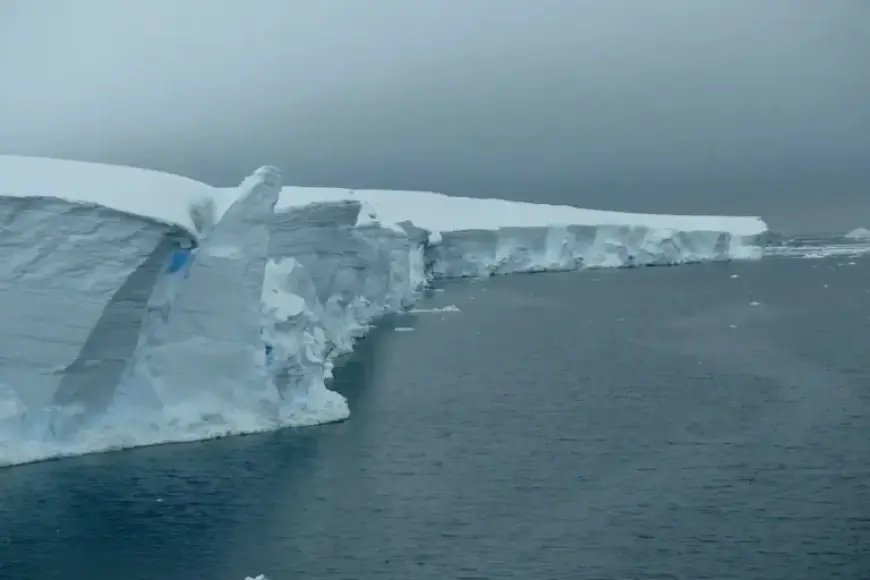
A recent expedition to Antarctica’s Thwaites Glacier, often referred to as the “Doomsday Glacier,” faced significant challenges. A team from the British Antarctic Survey (BAS) and the Korea Polar Research Institute (KOPRI) attempted to deploy instruments beneath the ice to study its melting dynamics. Unfortunately, their drilling efforts resulted in instruments becoming trapped, halting the research prematurely.
Challenges of Antarctic Research
Keith Makinson, an oceanographer and drilling engineer at BAS, highlighted the inherent risks of Antarctic fieldwork. He stated that logistical constraints limit their operation time, making successful execution difficult. Although the team did gather valuable data before the setback, the loss of instruments was disheartening.
Impact of Thwaites Glacier
Thwaites Glacier poses a considerable threat to global sea levels. In the event of its complete collapse, it could contribute up to 25 inches (65 centimeters) of rise, potentially flooding low-lying areas and displacing millions. Its instability is exacerbated by the warming waters underneath, which scientists are striving to understand.
Research Objectives
The primary aim of the expedition was to measure ocean conditions beneath Thwaites Glacier’s main trunk. The researchers used a hot water drill to create a borehole that reached approximately 3,300 feet (1,000 meters) deep and 11 inches (30 cm) wide. Continuous maintenance of this borehole was crucial to prevent refreezing, allowing instruments to be temporarily deployed.
Findings Before the Setback
- The team observed turbulent ocean conditions and warm waters beneath the glacier.
- Data collection was promising, revealing factors contributing to ice melt.
However, when attempting to lower a mooring system intended to stay under the glacier for one to two years, the instruments became stuck about three-quarters of the way down. This malfunction was likely due to refreezing or the glacier’s rapid movement. With a scheduled ship departure to New Zealand on February 7, the researchers had to leave their instruments behind due to worsening weather.
Previous Attempts and Future Prospects
This expedition marked the second attempt by the team to deploy instruments in this critical area. In 2022, poor sea-ice conditions had previously thwarted their efforts. Despite the setbacks, the partial data collected this time was significant.
Chief scientist Professor Won Sang Lee indicated that the observations made affirm the site’s potential for future study. He emphasized that the challenges faced do not signify an end but rather pave the way for future exploration.
The ongoing investigation into Thwaites Glacier’s ice melt dynamics is crucial. Understanding these conditions will play a vital role in predicting future sea-level changes. The team remains committed to returning for further research, eager to advance the scientific community’s understanding of this crucial glacial region.