
























Court Approves Evidence Release in Border Patrol Shooting Case

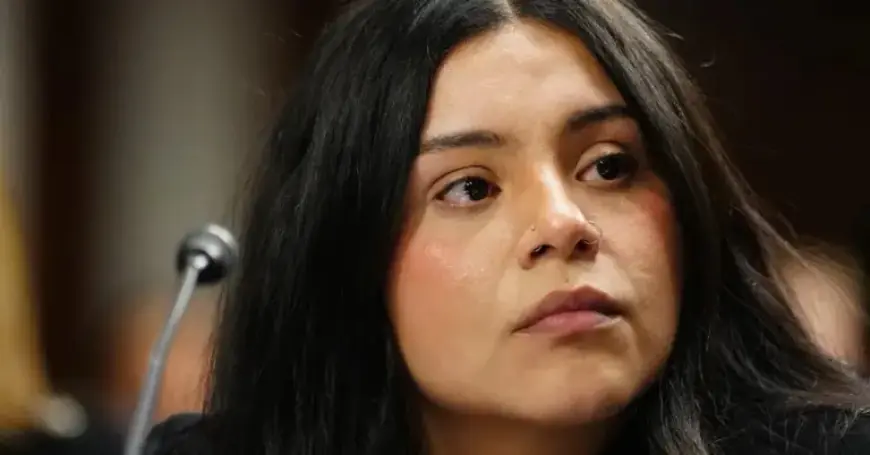
A federal court in Chicago has approved the release of evidence related to the October shooting of Marimar Martinez, a 30-year-old teacher’s assistant, by Border Patrol agent Charles Exum. Judge Georgia N. Alexakis of the Federal District Court for the Northern District of Illinois granted this decision, allowing the release of body camera footage and text messages from Exum.
Court Ruling Details
The judge’s ruling, issued on a recent Friday, stipulates that the evidence should be redacted to protect the identities of individuals not involved in the case. According to Ms. Martinez’s attorney, Christopher V. Parente, this release is anticipated to occur imminently.
Background on the Incident
The shooting incident unfolded on October 4 when Ms. Martinez and another vehicle pursued an SUV containing federal agents, honking and shouting “La migra,” which translates to “the immigration authorities.” The Trump administration later characterized these actions as “domestic terrorism.”
In a critical moment, Ms. Martinez’s vehicle collided with the agents’ SUV, leading Exum to open fire, hitting her five times while she remained inside her car. Text messages from Exum revealed him boasting about the shooting, stating, “I fired 5 rounds and she had 7 holes.”
Legal Controversies
Competing narratives have emerged regarding the motivations behind Exum’s decision to shoot. The Customs and Border Protection report claimed Exum acted in self-defense, asserting that Ms. Martinez accelerated her vehicle towards agents. Conversely, Parente contended that Exum began firing just two seconds after exiting his vehicle.
Initially, prosecutors charged Ms. Martinez with assaulting federal officers. However, these charges were dropped after concerns about the handling of evidence surfaced, specifically that the SUV had been moved to another location hundreds of miles away.
Impact on Public Perception
The court proceedings reflect broader discussions about law enforcement narratives and community relations during heightened immigration enforcement under the Trump administration. Ms. Martinez’s case is one of at least ten instances of federal agents shooting individuals during this period.
Earlier this week, Ms. Martinez testified before a congressional committee, expressing her disillusionment with law enforcement following her experience. Her testimony highlights the changing perspectives of community members regarding state actions.
Broader Context
The shooting of Ms. Martinez occurred just before federal immigration enforcement efforts shifted from Chicago to Minneapolis, where federal agents have been associated with civilian deaths. The case of Renee Good, another protester shot by federal agents, parallels Ms. Martinez’s experience and led to similar accusations and discussions of “domestic terrorism.”
Kristi Noem, the Secretary of Homeland Security, previously classified Good and another agent’s fatal incident as “domestic terrorism,” a statement that has faced public scrutiny and challenge.
Conclusion
The impending release of evidence in the Martinez case may provide critical clarity on the events of October 4 and influence ongoing discussions about federal law enforcement practices and community interactions. As this case evolves, it will remain a significant focal point in the discourse around immigration enforcement and civil rights.