

























Unrest and Anger Grip Guinea-Bissau After Coup

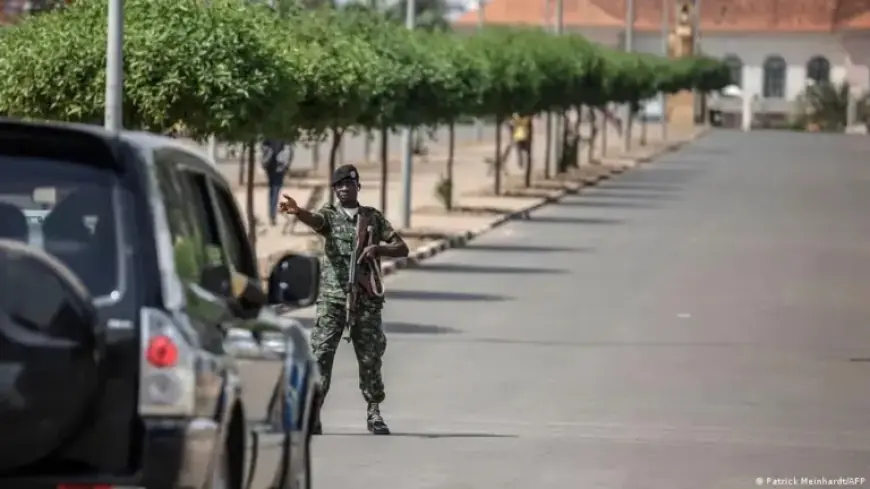
Political instability continues to grip Guinea-Bissau following the coup that occurred on November 26, 2025. The country is rife with unrest and anger, particularly among opposition groups who feel betrayed and marginalized. According to former Justice Minister Carmelita Pires, deposed President Umaro Sissoco Embalo may have orchestrated the coup to regain power.
Details Surrounding the Coup
The coup was led by General Horta Inta-A Na Man and took place just one day before the expected announcement of election results. Pires alleges that opposition candidate Fernando Dias da Costa won the presidential election by a significant margin, a result Embalo was unwilling to accept.
- Coup date: November 26, 2025
- Election results due: November 27, 2025
- Led by: General Horta Inta-A Na Man
Political Climate Post-Coup
The military regime has declared the recent legislative elections null and void, exacerbating the already precarious political situation. The largest opposition party, the African Party for the Independence of Guinea and Cape Verde (PAIGC), was barred from participating, leading to widespread disenfranchisement. Currently, military leaders have assumed full control, operating as the predominant authority in the country.
Restrictions and Arrests
Since the coup, political activities have been severely restricted. Demonstrations, party operations, and press conferences require prior authorization. Many civil society activists, including Domingos Simoes Pereira, the leader of the PAIGC, have been detained under harsh conditions.
- Domingos Simoes Pereira: Detained for over 60 days
- Conditions criticized by: His daughter, Denisa Pereira
Call for International Intervention
Calls for intervention by the Economic Community of West African States (ECOWAS) have intensified. Mariano Quade, associated with Dias da Costa’s campaign, urged military action to restore democratic order. He asserted that failure to act would damage ECOWAS’s credibility.
Future Elections and Challenges
Recently, military leaders announced elections are scheduled for December 6. However, many critics view this timeline as unrealistic due to various logistical challenges. The head of the National Electoral Commission, N’pabi Cabi, cited financial constraints and a lack of necessary equipment.
- Election date proposed: December 6, 2025
- Concerns raised about: Voter registration and equipment shortages
Amid this political turmoil, international pressure remains significant. The African Union, ECOWAS, and the Community of Portuguese Language Countries have all suspended Guinea-Bissau due to the military coup. The path ahead for the nation remains fraught with challenges as citizens grapple with unrest and the uncertainty of returning to democratic governance.