
























Svalbard Transforms from Arctic Outpost to Geopolitical Flashpoint

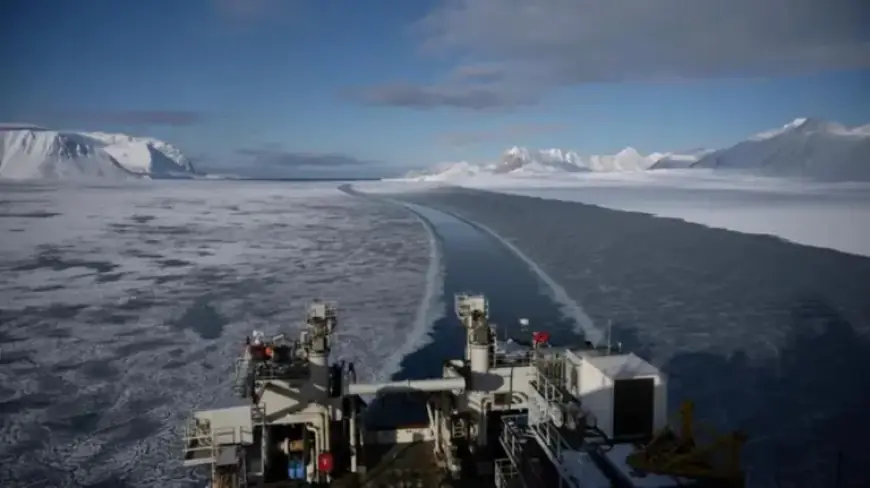
Recent developments have transformed Svalbard from a remote Arctic outpost into a significant geopolitical flashpoint. Historically, this Norwegian-administered archipelago was viewed as a beacon of international cooperation. However, ongoing climate change and rising tensions among global powers have shifted its status dramatically.
Svalbard: A Changing Landscape
Situated approximately 900 kilometers north of mainland Norway and less than 500 kilometers from Greenland, Svalbard is considered one of the fastest-warming regions on Earth. This unique geographical location has attracted scientists worldwide who aim to study the impacts of climate change.
- Area: Roughly the size of Croatia
- Population: About 2,700 residents, primarily in Longyearbyen, the world’s northernmost town
Historical Context and Sovereignty
Svalbard’s legal foundation lies in the Spitsbergen Treaty, established in 1920. This treaty recognizes Norwegian sovereignty while ensuring access for citizens from signatory states on equal terms. These nations include major powers like the United States, China, and Russia.
This framework has traditionally allowed Svalbard to exemplify Arctic collaboration. Ny-Alesund, an international research community on the island, symbolizes this cooperation, housing multiple foreign scientific stations.
Geopolitical Pressures Escalating
In recent years, Svalbard’s geopolitical importance has surged. Major powers are keenly interested in its strategic location and potential natural resources, such as copper, zinc, and rare earth materials. As Arctic ice continues to recede, various nations, particularly Russia and China, are intensifying their focus on the region.
- China’s involvement: Operates a research station since 2004
- Russia’s settlements: Maintains communities in Barentsburg and Pyramiden
Recent Tensions and Russian Activities
Russia has notably ramped up its rhetoric regarding Svalbard, especially following its actions in Ukraine. In 2024, Russian Deputy Prime Minister Yury Trutnev emphasized Moscow’s commitment to protecting its rights over the archipelago.
Norwegian officials have observed increased Russian activities, such as military parades and the display of national symbols in Barentsburg. These gestures are perceived as attempts to assert Russian presence and challenge Norway’s sovereignty.
Norwegian Response and Control Measures
Confronted with these developments, Norway is taking steps to reaffirm its authority over Svalbard. This includes increasing coastguard patrols and tightening administrative controls. The government has restricted local voting rights and banned land sales to non-Norwegians.
King Harald V’s visit in June 2025 signified a strategic gesture aimed at reinforcing Norway’s claims over the archipelago. Such moves highlight the rising nationalism surrounding Svalbard among Norwegian authorities.
Global Implications and Future Concerns
As tensions mount, Norway faces the daunting challenge of balancing sovereign rights with international treaties. Questions linger about the potential ramifications of a military conflict in Svalbard and whether NATO’s collective defense clause would apply.
Moreover, the shifting dynamics surrounding Greenland, especially with past US interest in annexation, evoke fears that similar actions might reverberate in Svalbard. Experts caution that the region is on the brink of significant geopolitical changes.
The increasing complexity of relationships in the Arctic underlines the urgent need for dialogue and cooperation among nations to ensure stability in this strategically vital region.