

























Bulgaria Embraces Euro Amid Subdued Sentiment

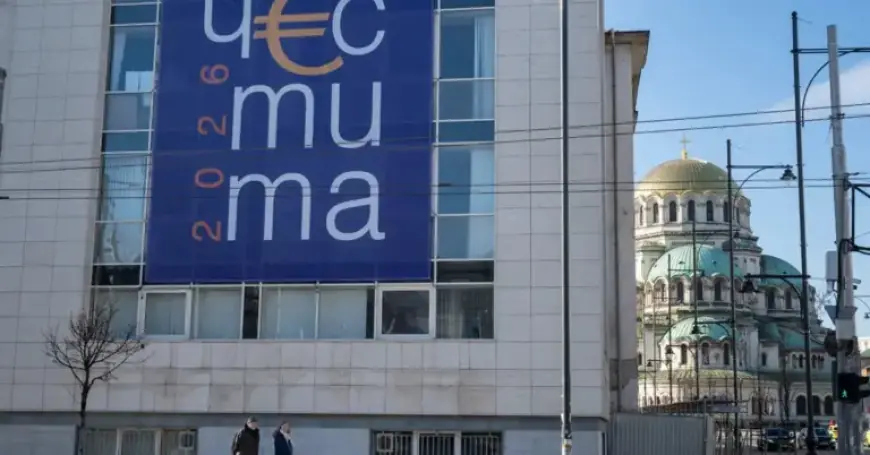
Bulgaria is undergoing a significant economic transition as it adopts the euro. This marks a historic shift from the lev, the Bulgarian currency in use since the 1880s. The changeover began officially on January 1, 2024, and has prompted a mixture of enthusiasm and apprehension among citizens.
Bulgaria’s Transition to the Euro
The transition signifies an essential step for Bulgaria, which becomes the 21st country in the European Union to switch currencies. This decision follows Bulgaria’s application to join the eurozone in 2018, receiving final approval in July 2023.
Public Sentiment Surrounding the Euro Adoption
Reception of the euro has been ambivalent. Many Bulgarians feel nostalgic about the lev, while some express hope for economic stability. For example, Aneta Petelkova, 79, voiced her mixed feelings, retaining some leva for sentimental value. “The euro feels more papery,” she remarked.
Younger citizens, like 23-year-old Nikolay Bagdatov, focus more on economic functionality than currency preference. “Just something for the economy to work,” he stated, emphasizing practical needs over sentimental attachments.
Concerns About Inflation and Economic Stability
While the euro adoption has raised fears of price increases, economists suggest that significant changes in inflation rates may be unlikely. Data from Petar Ganev, a researcher at the Institute for Market Economics, revealed that inflation levels in January were low at 0.7 percent compared to the previous year. He noted the timing of the transition influenced public skepticism more than the change itself.
Practical Challenges During the Changeover
- As of last Friday, approximately 75 percent of the lev was replaced, with 6.1 billion euros introduced into circulation.
- Mixed payments in euros and leva have caused confusion, leading some businesses to run low on euro change.
- Small retailers struggled with compliance, and only 8 percent of businesses faced penalties for failing to phase out the lev properly.
The Future of Bulgaria’s Economy
The shift to the euro is expected to eliminate currency conversion costs and facilitate trade and tourism. However, skepticism remains, particularly among far-right politicians who warn against possible inflation. In communities, shopkeepers like Elena Vladimirova provide reassurance to anxious customers learning to navigate the new currency.
As Bulgaria steps into this new chapter, the dual display of prices in both currencies will continue until next August. This ongoing transition is meant to ease the public into adapting to the euro while the country reassesses its economic landscape.